



Essential electrolytes: what they are and why they matter

Many active individuals believe sodium alone handles hydration needs during exercise. The reality is more complex. Your body relies on seven essential electrolytes working together to maintain fluid balance, power muscle contractions, and support nerve function during physical activity. Understanding how each electrolyte contributes to performance helps you avoid cramps, fatigue, and suboptimal recovery that plague incomplete hydration strategies.
Table of Contents
- What Are Essential Electrolytes: Overview
- The Role Of Sodium In Hydration And Muscle Function
- The Role Of Potassium And Other Key Electrolytes
- Supporting Electrolytes: Chloride, Phosphate, And Bicarbonate
- Natural Dietary Sources Of Essential Electrolytes
- Common Misconceptions About Electrolytes
- Customizing Electrolyte Intake For Individual Needs
- Practical Applications For Electrolyte Management
- Enhance Your Hydration With Vitalyte Electrolyte Solutions
- Frequently Asked Questions
Key takeaways
| Point | Details |
|---|---|
| Seven essential electrolytes | Sodium, potassium, calcium, magnesium, chloride, phosphate, and bicarbonate each play distinct roles in hydration and muscle function. |
| Sodium and potassium dominance | These two electrolytes handle most fluid regulation and nerve signaling, with sodium accounting for 90% of sweat losses. |
| Natural sources best | Whole foods combined with natural glucose-based supplements provide superior absorption without artificial additives. |
| Common myths corrected | Plain water during intense exercise risks hyponatremia, and relying on sugary drinks fails to replenish full electrolyte spectrum. |
| Personalization matters | Individual sweat rates, genetics, and environment require customized electrolyte strategies for optimal performance. |
What are essential electrolytes: overview
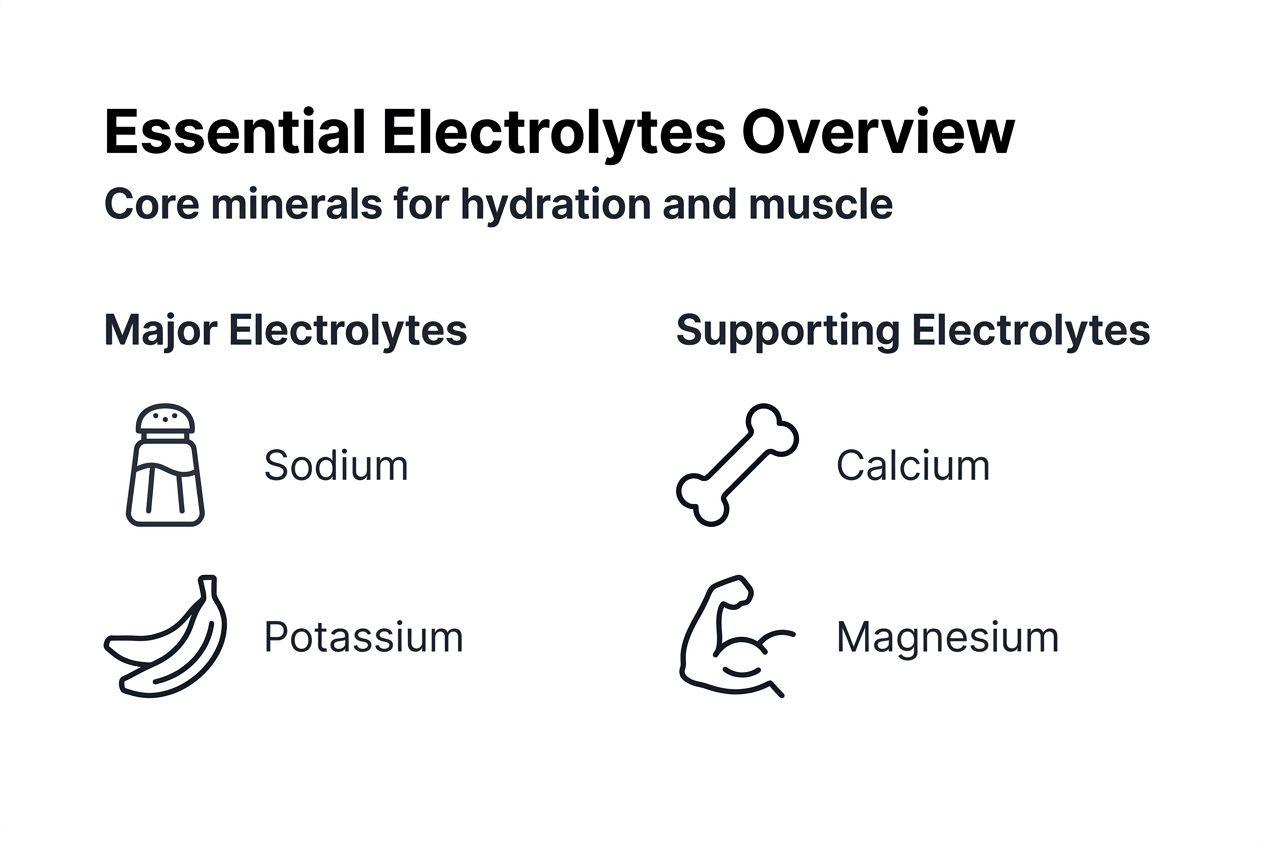
Essential electrolytes are minerals carrying electrical charges that regulate critical body functions during physical activity. The seven essential electrolytes include sodium, potassium, calcium, magnesium, chloride, phosphate, and bicarbonate.
These minerals work as a coordinated system. Sodium and chloride maintain blood volume and fluid distribution between cells. Potassium regulates intracellular fluid balance and heart rhythm. Calcium triggers muscle fiber contractions while magnesium helps muscles relax afterward.
Phosphate supports energy production at the cellular level. Bicarbonate buffers acids produced during intense exercise. Together, these electrolytes enable nerve impulses to travel, muscles to contract efficiently, and your body to maintain proper pH balance.
When you sweat during workouts, you lose these minerals in varying amounts. The importance of electrolytes for workouts becomes evident when imbalances trigger cramping or fatigue. Active individuals need consistent replenishment to sustain performance and prevent deficiencies that compromise recovery.
Key functions of essential electrolytes:
- Fluid balance regulation across cell membranes
- Nerve signal transmission controlling muscle movement
- Muscle contraction and relaxation coordination
- Acid-base balance maintenance during exercise
- Blood pressure and heart rhythm regulation
The role of sodium in hydration and muscle function
Sodium dominates your electrolyte losses during physical activity. Sodium accounts for 90% of sweat electrolyte loss, making it the primary mineral requiring replacement. This electrolyte regulates blood volume by controlling water retention and distribution throughout your body.
During prolonged exercise, sodium depletion reduces blood volume and impairs circulation. Your heart works harder to deliver oxygen to working muscles. Without adequate sodium replacement, you risk hyponatremia, a dangerous condition where blood sodium levels drop too low from excessive plain water consumption.
Sodium enables nerve cells to generate electrical signals that trigger muscle contractions. When sodium levels fall, these signals weaken. You experience reduced coordination, slower reaction times, and diminished strength output. Understanding the effects of electrolyte imbalances helps you recognize warning signs early.
Symptoms of sodium imbalance during exercise:
- Muscle cramps and spasms
- Fatigue and weakness
- Headaches and confusion
- Nausea or dizziness
- Swelling in hands and feet
Sodium also affects how quickly your body absorbs water and other nutrients. The small intestine uses sodium to pull water across cell membranes through a process called osmosis. Products containing balanced sodium and glucose optimize this absorption mechanism.
Pro Tip: Calculate your sweat rate by weighing yourself before and after hour-long workouts. Every pound lost equals about 16 ounces of fluid needing replacement, plus 300-500 mg of sodium depending on your individual sweat concentration.
The role of potassium and other key electrolytes
Potassium serves as the primary electrolyte inside your cells, opposite sodium’s extracellular role. This mineral maintains electrical gradients across cell membranes that power nerve impulses and muscle contractions. Your heart relies on precise potassium levels to maintain steady rhythm during exercise stress.

You lose potassium through sweat, though in smaller amounts than sodium. Deficiency impairs muscle strength and increases cramping risk. The balance between sodium and potassium determines how efficiently your cells regulate fluid movement and maintain proper hydration status.
Calcium triggers the mechanical process of muscle contraction. When nerve signals reach muscle fibers, calcium floods into cells and initiates the sliding of protein filaments that generate force. Magnesium plays the opposite role, helping muscles relax after contraction by displacing calcium.
Calcium and magnesium, though lost in smaller amounts than sodium and potassium, play crucial roles in nerve signaling and muscle contraction, with deficiencies linked to increased muscle cramping during physical activity. Many athletes focus solely on sodium replacement and overlook these minerals essential for preventing cramps.
Typical electrolyte losses during one hour of moderate exercise:
| Electrolyte | Amount Lost | Primary Function |
|---|---|---|
| Sodium | 800-1200 mg | Fluid balance, nerve signaling |
| Potassium | 150-300 mg | Intracellular fluid, muscle function |
| Calcium | 10-30 mg | Muscle contraction trigger |
| Magnesium | 5-15 mg | Muscle relaxation, energy production |
Dietary sources help maintain baseline electrolyte levels. Bananas and potatoes provide potassium. Dairy products and leafy greens supply calcium. Nuts, seeds, and whole grains contain magnesium. Combining these foods with targeted supplementation during workouts optimizes your electrolyte roles in muscle function.
Pro Tip: If you experience frequent cramping despite adequate sodium intake, evaluate your magnesium and potassium consumption through diet or consider a balanced electrolyte supplement rather than isolated sodium products.
Supporting electrolytes: chloride, phosphate, and bicarbonate
Chloride partners with sodium in maintaining fluid balance and blood volume. This negatively charged ion moves in parallel with sodium losses during sweating. Chloride helps produce stomach acid for digestion and supports kidney function in filtering waste products.
You rarely experience isolated chloride deficiency because it accompanies sodium in most foods and supplements. Sea salt and table salt both provide sodium chloride in roughly equal molecular amounts. The roles of chloride and bicarbonate become critical during extended physical activity when acid-base balance shifts.
Phosphate participates in energy production as part of ATP molecules that fuel muscle contractions. This mineral also buffers acids produced during intense exercise. While you lose minimal phosphate through sweat, maintaining adequate levels supports endurance capacity during prolonged efforts.
Bicarbonate acts as your body’s primary pH buffer system. During high-intensity exercise, muscles produce lactic acid and hydrogen ions that lower blood pH. Bicarbonate neutralizes these acids, delaying the fatigue and burning sensation that limits performance.
Key functions of supporting electrolytes:
- Chloride maintains electrical neutrality with sodium movement
- Phosphate enables ATP energy production and acid buffering
- Bicarbonate regulates blood pH during metabolic stress
- Combined effects sustain endurance and delay fatigue onset
Many commercial sports drinks overlook phosphate and bicarbonate in their formulations. Natural glucose-based electrolyte powders often include these minerals for complete replenishment. Athletes engaged in activities lasting over 90 minutes benefit most from comprehensive electrolyte replacement.
The acid-base balance maintained by bicarbonate and phosphate directly affects how long you can sustain high-intensity efforts. When pH drops too low, enzyme function slows and muscle contraction efficiency decreases. Proper buffering extends the time before fatigue forces you to reduce pace or stop.
Natural dietary sources of essential electrolytes
Whole foods provide the foundation for maintaining healthy electrolyte levels during regular daily activities. Combining strategic food choices with targeted supplementation during workouts ensures complete replenishment without relying solely on processed products.
Sodium and chloride come from sea salt, table salt, pickles, olives, and cured meats. Most Americans consume adequate sodium through normal diet. Active individuals sweating heavily need extra sodium beyond typical dietary intake to replace losses.
Potassium-rich foods include bananas, sweet potatoes, avocados, beans, and coconut water. The recommended daily intake ranges from 2,600 to 3,400 mg depending on body size and activity level. Athletes often need amounts at the higher end of this spectrum.
Calcium sources include dairy products, fortified plant milks, sardines, leafy greens, and tofu. Adults need 1,000-1,200 mg daily. Magnesium comes from nuts, seeds, whole grains, dark chocolate, and legumes. Target 310-420 mg daily depending on gender and age.
Incorporating electrolyte dietary sources into pre-workout and post-workout meals helps maintain baseline levels:
- Pre-workout: Greek yogurt with banana and almonds provides calcium, potassium, and magnesium
- During workout: Natural glucose-based electrolyte drink replaces sweat losses efficiently
- Post-workout: Grilled chicken with sweet potato and spinach restores depleted minerals
- Daily snacks: Trail mix with dried fruit covers multiple electrolyte needs
Natural glucose-based supplements absorb faster than food during exercise because digestion slows when blood flow shifts to working muscles. Look for products without high-fructose corn syrup or artificial additives that can cause digestive distress.
Timing matters for optimal absorption. Consuming electrolyte-rich foods or supplements within 30 minutes before exercise prepares your system. Replacing losses during activities lasting over 60 minutes prevents depletion. Post-workout replenishment within two hours accelerates recovery.
Common misconceptions about electrolytes
Many active individuals hold inaccurate beliefs about electrolyte needs that undermine their hydration strategies. Correcting these misconceptions improves performance and reduces health risks during exercise.
The first myth suggests sodium is the only electrolyte worth replacing. While sodium represents the largest sweat loss, ignoring potassium, magnesium, and calcium creates imbalances that trigger cramping and impair muscle function. Complete replenishment requires all seven essential electrolytes in appropriate ratios.
Another common mistake involves drinking only plain water during intense or prolonged exercise. Water dilutes blood sodium concentration, potentially causing hyponatremia in extreme cases. This dangerous condition causes confusion, seizures, and even death in severe instances. Always pair water intake with electrolyte replacement during activities lasting over an hour.
Some people believe electrolyte supplements must contain artificial additives to work effectively. Natural glucose-based formulations actually provide superior absorption compared to products with high-fructose corn syrup or artificial sweeteners. Understanding electrolyte myths and facts helps you choose better products.
Misconceptions to avoid:
- Thinking sugary sports drinks provide optimal electrolyte balance when they often contain excessive sugar and insufficient minerals
- Believing that thirst alone indicates when to drink, since thirst lags behind actual dehydration by up to 2% body weight loss
- Assuming all sweat tastes equally salty, when individual sodium concentrations vary three-fold between people
- Expecting instant results from electrolyte supplementation, when consistent use over days optimizes cellular balance
Many athletes also underestimate how much sodium they lose through sweat. Visible salt residue on skin or clothing after workouts indicates high sodium losses requiring aggressive replacement. Your individual sweat rate and electrolyte concentration determine optimal supplementation amounts, not generic recommendations.
Customizing electrolyte intake for individual needs
Your electrolyte requirements differ from other active individuals due to genetic factors, climate adaptation, and dietary patterns. Personalizing your approach based on these variables optimizes hydration effectiveness and performance outcomes.
Sweat electrolyte concentrations vary dramatically between people. Some individuals lose 200 mg sodium per hour while others lose over 2,000 mg during the same exercise intensity. This three-fold difference means generic hydration advice fails many athletes.
Factors affecting your personal electrolyte needs:
- Genetics determine baseline sweat sodium concentration independent of training status or diet
- Heat acclimation reduces total sweat electrolyte losses by 30-50% over two weeks of exposure
- Dietary sodium intake influences how efficiently kidneys conserve sodium during exercise
- Exercise intensity and duration directly correlate with total electrolyte losses
- Environmental conditions like temperature and humidity increase sweat rate substantially
- Body size affects absolute sweat volume, with larger individuals losing more total electrolytes
Monitor symptoms that suggest electrolyte imbalance. Frequent cramping despite adequate hydration indicates possible magnesium or potassium deficiency. Persistent fatigue may reflect insufficient sodium replacement. Irregular heart rhythms warrant medical evaluation for serious imbalances.
You can estimate personal needs by tracking fluid losses during standard workouts. Weigh yourself before and after exercise without drinking. Each pound lost represents about 16 ounces of sweat. Multiply fluid losses by your estimated sweat sodium concentration to calculate replacement needs.
The customizing electrolyte intake approach requires experimentation over several weeks. Start with balanced electrolyte supplements providing 300-500 mg sodium per 16 ounces fluid. Adjust based on how you feel during and after workouts.
Pro Tip: Keep a hydration log noting workout conditions, fluid intake, electrolyte supplementation, and symptoms experienced. Patterns emerge over time showing what works best for your unique physiology and training demands.
Practical applications for electrolyte management
Implementing effective electrolyte strategies transforms theoretical knowledge into measurable performance improvements and faster recovery. Comparing product options helps you choose supplements that match your needs and values.
| Product Type | Pros | Cons |
|---|---|---|
| Natural glucose-based powders | Complete electrolyte profile, superior absorption, no HFCS or artificial additives | Requires mixing, slightly higher cost per serving |
| Commercial sugary sports drinks | Convenient ready-to-drink format, widely available | Excessive sugar, incomplete electrolyte ratios, artificial ingredients |
| Electrolyte tablets | Portable, customizable concentration | May contain artificial sweeteners, slower dissolution |
| Coconut water | Natural source with potassium | Low sodium content inadequate for sweat replacement |
The effectiveness of electrolyte drinks depends on matching product composition to your activity demands. Choose natural formulations without high-fructose corn syrup, which impairs fluid absorption and causes digestive issues during exercise.
Timing your electrolyte intake maximizes benefits:
- Pre-loading: Consume 16-20 ounces with electrolytes 2-3 hours before exercise to optimize hydration status
- During activity: Replace 6-8 ounces every 15-20 minutes for efforts exceeding 60 minutes
- Post-workout: Drink 24 ounces with electrolytes for every pound lost through sweat
- Daily maintenance: Include electrolyte-rich foods at each meal to maintain baseline levels
Athletes who carefully monitor and consume balanced electrolytes experience up to 20% improved recovery times, reduced cramping, and enhanced performance consistency. This case evidence demonstrates measurable benefits from proper electrolyte management versus relying on instinct alone.
Practical electrolyte management tips for active individuals:
- Test different products during training, never during important competitions or events
- Adjust concentrations based on sweat rate, starting conservative and increasing as needed
- Consider environmental factors, doubling intake during hot or humid conditions
- Monitor urine color, targeting pale yellow as hydration goal rather than clear
- Pair electrolyte replacement with adequate total fluid intake for optimal absorption
Your response to electrolyte supplementation provides feedback for refining your protocol. Reduced cramping, sustained energy levels, and faster recovery indicate you’ve found an effective approach. Persistent issues suggest adjusting ratios or consulting a sports nutritionist for personalized guidance.
Enhance your hydration with Vitalyte electrolyte solutions
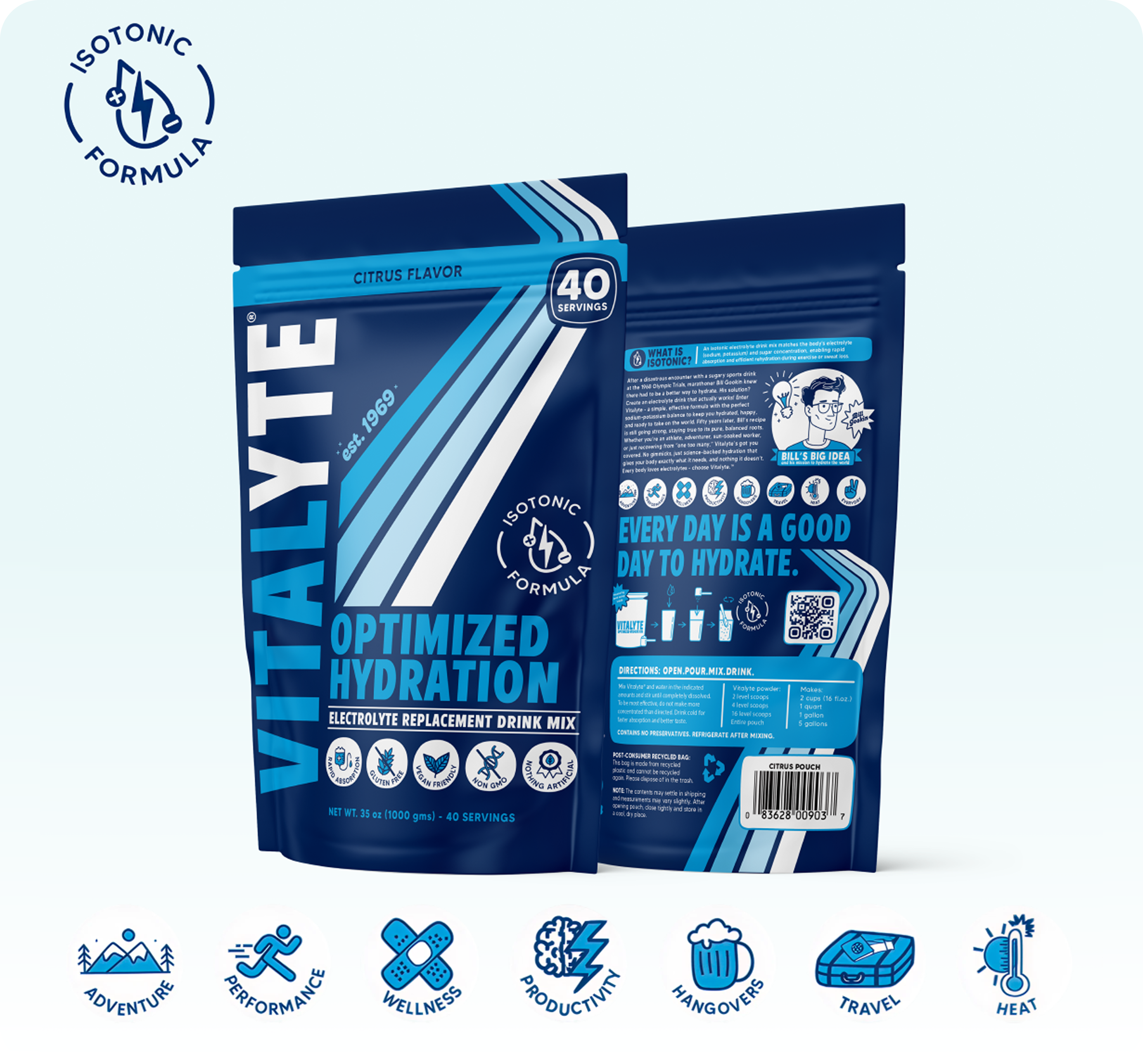
Applying these electrolyte principles requires products formulated to match your body’s actual needs during physical activity. Vitalyte specializes in natural glucose-based electrolyte powder for rapid replenishment that delivers all seven essential minerals without high-fructose corn syrup or artificial additives.
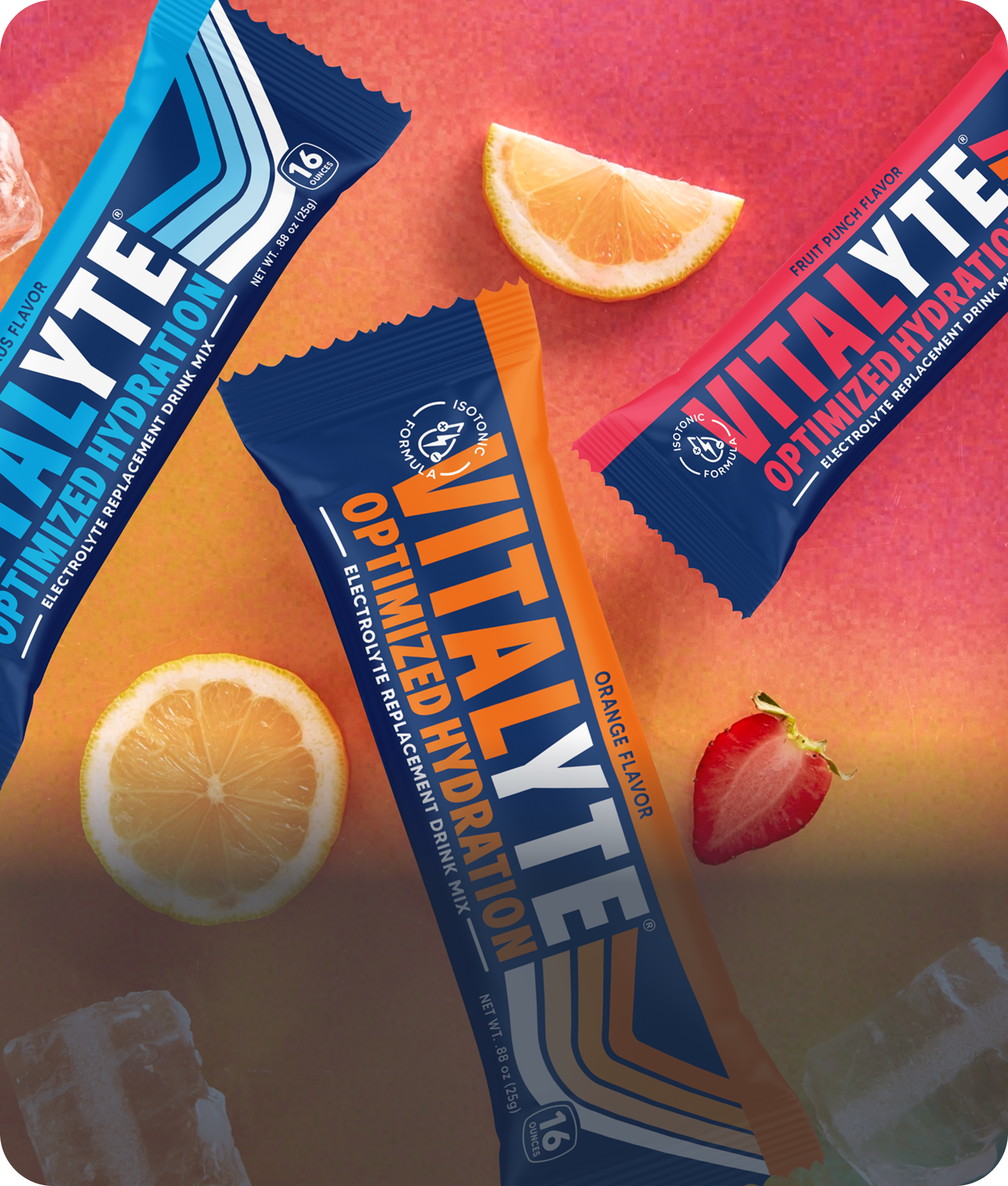
Our orange electrolyte replacement drink mix provides balanced sodium, potassium, calcium, and magnesium in ratios optimized for sweat replacement. The natural glucose base enhances absorption through your small intestine, getting electrolytes into your bloodstream faster than products using artificial sweeteners or excessive sugars.
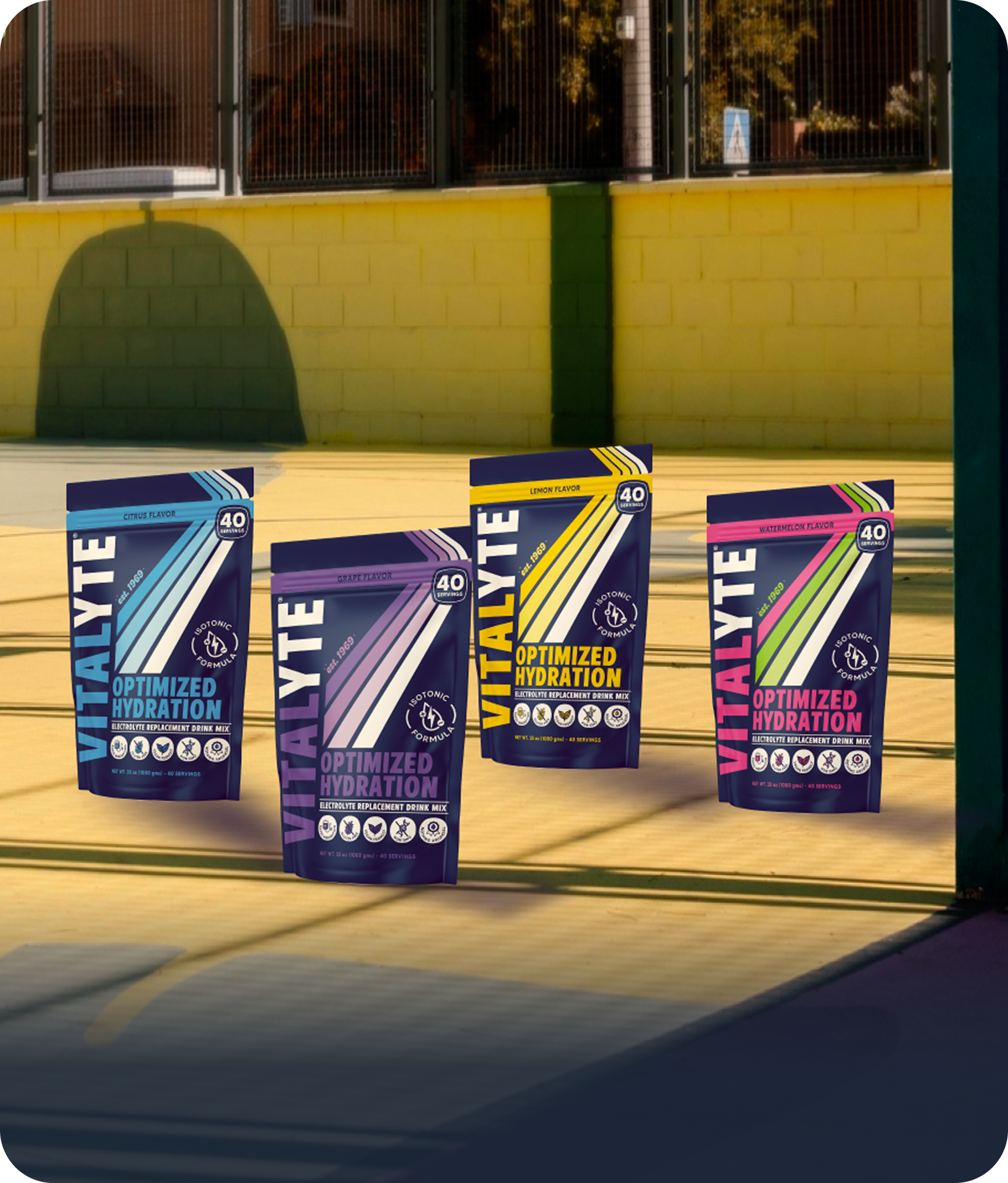
Explore our complete line of electrolyte replacement drink products including convenient on-the-go stick packs perfect for workouts, travel, or outdoor activities. Every formula supports your hydration goals while respecting your commitment to natural, health-focused nutrition. Free shipping on orders over $50 and a 30-day money-back guarantee make trying Vitalyte risk-free.
Frequently asked questions
What are essential electrolytes?
Essential electrolytes are seven minerals that carry electrical charges and regulate vital body functions. Sodium, potassium, calcium, magnesium, chloride, phosphate, and bicarbonate control fluid balance, enable nerve signals, trigger muscle contractions, and maintain blood pH. Active individuals lose these minerals through sweat and must replace them to sustain performance and prevent cramping or fatigue.
What are the signs of electrolyte imbalance during exercise?
Muscle cramps, persistent fatigue, headaches, dizziness, and nausea indicate potential electrolyte depletion during workouts. Severe imbalances cause confusion, irregular heartbeat, or muscle weakness requiring immediate attention. Monitoring these symptoms helps you adjust hydration and supplementation strategies before performance suffers or health risks develop.
How can I naturally replenish electrolytes?
Combine whole foods rich in each mineral with natural glucose-based supplements during and after exercise. Bananas provide potassium, dairy supplies calcium, nuts offer magnesium, and sea salt delivers sodium. Balanced electrolyte powders without artificial additives ensure complete replenishment when dietary sources alone cannot match sweat losses during intense or prolonged physical activity.
Do electrolyte needs change with different exercise types?
Yes, intensity, duration, and environmental conditions dramatically affect electrolyte requirements. High-intensity workouts increase sweat rate and total losses. Hot, humid climates accelerate fluid and mineral depletion. Endurance activities lasting over 90 minutes require more aggressive replacement than short sessions. Customize your approach based on specific activity demands and personal sweat characteristics.
How do I monitor my individual electrolyte needs?
Track body weight before and after workouts to calculate sweat losses, noting symptoms like cramping or fatigue. Observe salt residue on skin or clothing indicating high sodium losses. Keep a hydration log documenting conditions, intake, and performance outcomes. Experiment with different supplementation amounts over several weeks to identify what optimizes your energy, reduces cramping, and accelerates recovery.