


How to make electrolyte drinks for natural hydration

Staying hydrated during workouts shouldn’t mean compromising your health with artificial additives and high-fructose corn syrup. Many active individuals struggle with dehydration yet hesitate to reach for commercial sports drinks loaded with unnecessary chemicals. This guide teaches you how to create effective, natural homemade electrolyte drinks using simple ingredients that support your performance without artificial shortcuts. You’ll gain the knowledge and confidence to mix balanced hydration solutions tailored to your activity level.
Table of Contents
- Prerequisites: What You Need Before Starting
- Key Ingredients And Ratios For Effective Electrolyte Drinks
- Preparation Steps: How To Make Your Electrolyte Drink At Home
- Timing And Dosage Guidelines For Optimal Hydration
- Common Mistakes And Troubleshooting
- Safety Considerations And Warnings
- Expected Results And Outcomes
- Comparison With Commercial Electrolyte Drink Options
- Discover Convenient Electrolyte Solutions At Vitalyte
- Frequently Asked Questions
Key takeaways
| Point | Details |
|---|---|
| Balance is critical | Sodium (300-500 mg), potassium (200-250 mg), and glucose in proper ratios ensure effective hydration and absorption. |
| Natural ingredients work | Sea salt, coconut water, citrus, and honey provide electrolytes without artificial additives or high-fructose corn syrup. |
| Timing matters | Consume electrolyte drinks during exercise and immediately after intense activity for optimal recovery and performance. |
| Avoid common mistakes | Too much salt causes nausea while insufficient glucose reduces absorption efficiency and hydration benefits. |
| Safety first | Never exceed 700 mg sodium per 500 ml serving and always use purified water to prevent contamination. |
Prerequisites: what you need before starting
Before mixing your first homemade electrolyte drink, gather the right tools and ingredients to ensure accuracy and safety. Proper preparation prevents common mistakes and guarantees you create a drink that actually works.
You need precise measurement tools because eyeballing ingredients leads to imbalanced electrolyte ratios. A digital kitchen scale measuring in grams and a set of measuring spoons are essential. These tools help you hit target sodium and glucose amounts consistently.
Your ingredient shopping list should focus on natural sources. Stock sea salt or Himalayan pink salt for sodium, fresh lemons or limes for flavor and vitamin C, and raw honey or agave syrup for glucose. Coconut water serves as an excellent natural potassium source. Always use purified or filtered water as your base to avoid contaminants that could cause gastrointestinal issues.
Understanding basic electrolyte functions helps you appreciate why each ingredient matters. Sodium regulates fluid balance and triggers the absorption mechanism in your small intestine. Potassium supports muscle contractions and prevents cramping during extended activity. Glucose partners with sodium through co-transport channels, dramatically improving how quickly your body absorbs both nutrients.
Key equipment and ingredients checklist:
- Digital kitchen scale (accurate to 1 gram)
- Measuring spoons (1/4 teaspoon to 1 tablespoon)
- Clean glass or BPA-free plastic bottles for mixing and storage
- Sea salt or Himalayan pink salt
- Fresh citrus fruits (lemons, limes, or oranges)
- Raw honey or agave syrup
- Coconut water (unsweetened, no additives)
- Purified or filtered water
| Tool/Ingredient | Purpose | Why It Matters |
|---|---|---|
| Digital scale | Measure salt precisely | Prevents sodium overload or deficiency |
| Sea salt | Provides sodium | Essential for fluid balance and absorption |
| Coconut water | Natural potassium source | Supports muscle function without supplements |
| Honey/agave | Glucose for absorption | Enables sodium-glucose co-transport |
| Citrus juice | Flavor and vitamin C | Improves palatability and antioxidant content |
Pro Tip: Start with small batches (500 ml) until you nail your preferred taste and electrolyte balance. This approach wastes less if adjustments are needed.
Key ingredients and ratios for effective electrolyte drinks
The science behind effective homemade electrolyte drinks centers on sodium (300-500 mg), potassium (200-250 mg), and a 1:1 to 1:2 glucose-to-sodium ratio. These amounts aren’t arbitrary because your small intestine uses specific transport proteins that work best within these ranges.
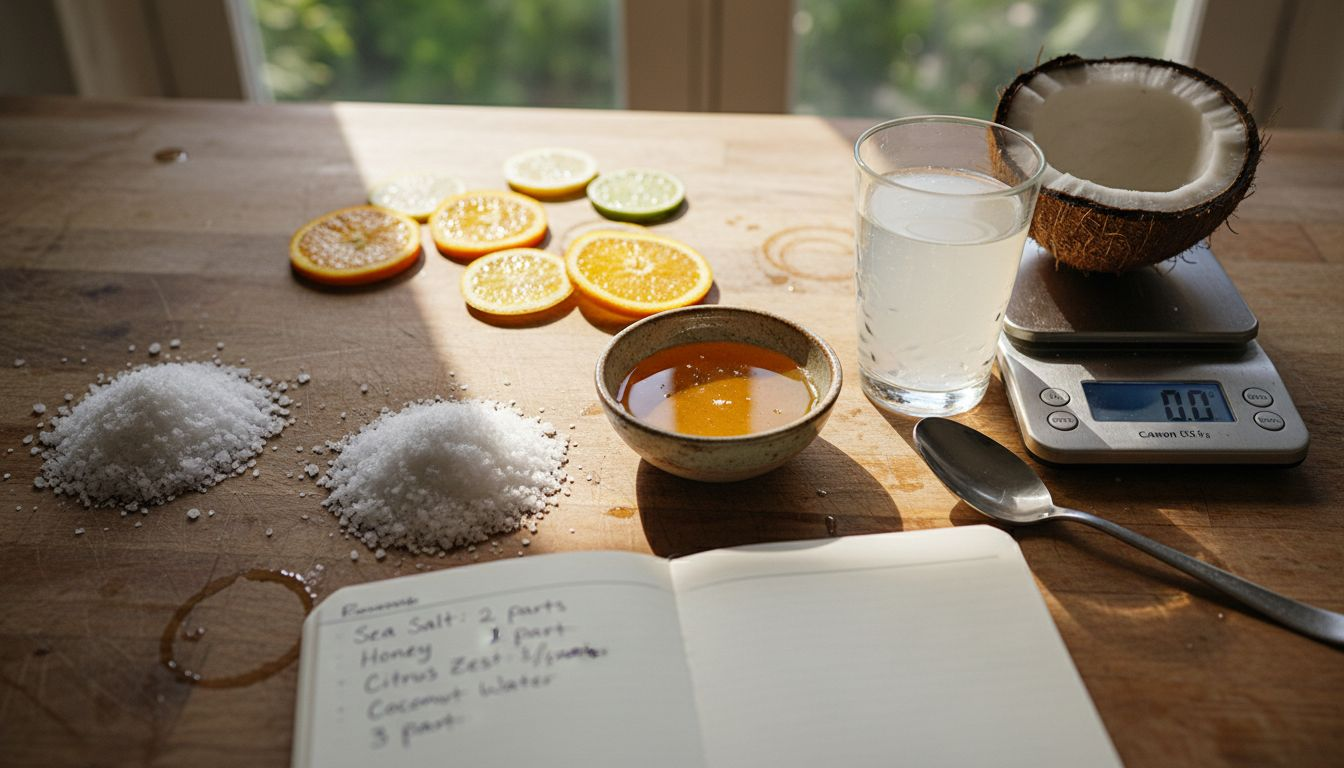
Sodium between 300-500 mg per 500 ml provides the sweet spot for absorption without overwhelming your system. Too little sodium slows fluid uptake, while excessive amounts can trigger nausea and increase dehydration risk. A quarter teaspoon of sea salt delivers approximately 575 mg of sodium, so you’ll use slightly less for a 500 ml serving.
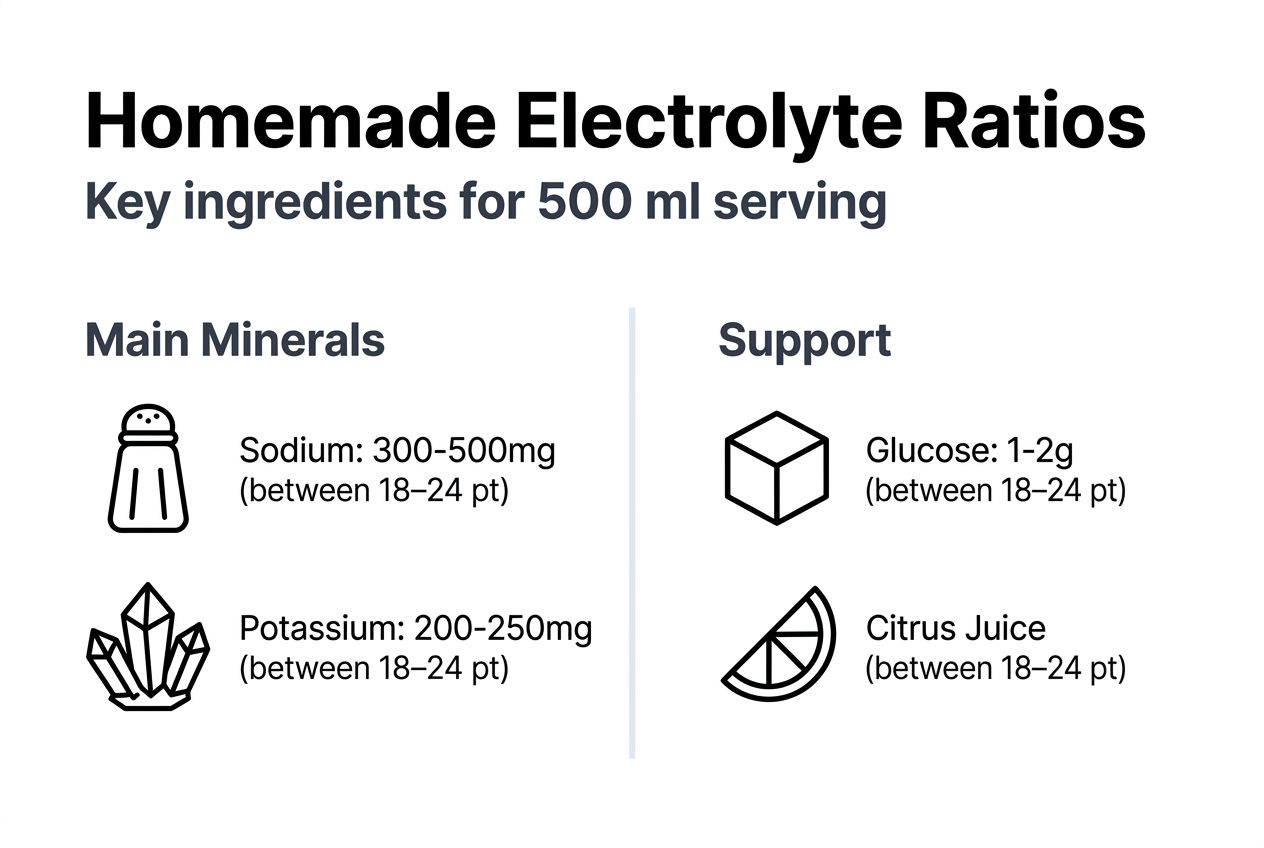
Potassium around 200-250 mg per serving maintains the sodium-potassium balance your muscles need to contract properly. Coconut water naturally contains about 600 mg of potassium per cup (240 ml), making it an efficient natural source. You can substitute a banana blended into your drink, which provides roughly 420 mg of potassium.
Glucose in the right ratio supercharges sodium absorption through co-transport mechanisms in your intestinal wall. Honey or agave provides glucose without artificial sweeteners, but you must measure carefully to maintain the 1:1 or 1:2 glucose-to-sodium ratio. One tablespoon of honey contains about 17 grams of sugar, which you’ll adjust based on your sodium target.
Citrus juice adds more than flavor because the vitamin C content supports your immune system during heavy training. Fresh lemon or lime juice provides natural acidity that enhances mineral absorption slightly. Aim for 2-3 tablespoons per 500 ml serving for balanced taste.
| Ingredient | Amount per 500ml | Electrolyte Provided | Natural Benefit |
|---|---|---|---|
| Sea salt | 1/5 teaspoon | ~460 mg sodium | No processing chemicals |
| Coconut water | 80 ml | ~200 mg potassium | Natural minerals included |
| Honey | 1 tablespoon | ~17g glucose | Enzymes and antioxidants |
| Lemon juice | 2 tablespoons | Vitamin C | Enhances palatability |
| Water | 420 ml | Hydration base | Dilutes to safe concentration |
Natural ingredient substitutions:
- Replace honey with maple syrup (similar glucose content)
- Use orange juice instead of lemon for different flavor profile
- Substitute coconut water with a quarter banana blended smooth
- Try sea salt alternatives like Celtic salt for trace mineral variety
Pro Tip: Experiment with precise ingredient ratios by starting at the lower sodium range (300 mg) and increasing gradually based on your sweat rate and activity intensity.
Preparation steps: how to make your electrolyte drink at home
Mixing your homemade electrolyte drink requires attention to order and technique. Follow these steps to create a properly balanced hydration solution every time.
-
Start with your clean mixing container and add 420 ml of purified water at room temperature. Warm water dissolves ingredients faster than cold.
-
Measure 1/5 teaspoon of sea salt using your measuring spoons and add it to the water. Stir vigorously for 30 seconds until fully dissolved.
-
Add 1 tablespoon of raw honey or agave syrup to the salt water mixture. Stir thoroughly until no honey remains at the bottom. This ensures even glucose distribution throughout your drink.
-
Pour 80 ml of unsweetened coconut water into your mixture. This adds natural potassium and a subtle sweetness that balances the salt taste.
-
Squeeze fresh lemon or lime juice (about 2 tablespoons) directly into your drink. This step adds vitamin C and improves overall flavor significantly.
-
Top off your container with additional purified water if needed to reach exactly 500 ml total volume. Seal the container and shake vigorously for 15 seconds.
-
Taste your drink and adjust if needed. If too salty, add more water and a touch more honey. If too bland, add a pinch more salt or extra citrus juice.
-
Refrigerate if not consuming immediately, or add ice cubes for cold consumption during workouts.
The mixing order matters because salt dissolves more easily before adding sticky ingredients like honey. Honey can coat salt crystals and slow dissolution if added first. Room temperature water speeds up the process compared to ice-cold water straight from the refrigerator.
Consider exploring electrolyte replacement drink options if you want pre-measured convenience without the guesswork. Some days you’ll have time to mix from scratch, other days a quality premade powder saves valuable minutes. Check out the ultimate electrolyte mix recipe for seasonal variations that keep your hydration routine interesting.
Pro Tip: Prepare your electrolyte drink the night before early morning workouts. The flavors meld overnight in the refrigerator, creating a smoother taste that’s more pleasant to drink.
Timing and dosage guidelines for optimal hydration
When you drink your homemade electrolyte solution matters as much as what you put in it. Strategic timing maximizes absorption and supports performance throughout your activity.
Drink 250 ml about 15-20 minutes before starting exercise to preload your system with electrolytes. This head start helps maintain fluid balance from the first minute of activity. During workouts lasting over 60 minutes, sip 150-200 ml every 20 minutes rather than gulping large amounts at once. Small, frequent doses prevent stomach sloshing and maintain steady electrolyte levels.
Post-workout consumption within 30 minutes accelerates recovery by replenishing what you lost through sweat. Your absorption mechanisms work most efficiently during this window when your muscles are primed to pull in nutrients. Consume 500 ml after intense sessions lasting over 90 minutes or in hot conditions where sweat loss exceeds normal rates.
Activity intensity determines your total intake needs:
- Light activity (walking, easy yoga): 250-500 ml total may suffice
- Moderate exercise (jogging, cycling): 500-750 ml over the session
- Intense training (HIIT, competitive sports): 750-1000 ml or more depending on duration and heat
- Endurance events (marathons, long hikes): 150-200 ml every 15-20 minutes continuously
Hydration benefits peak within 30-45 minutes of consumption and remain elevated for up to two hours. Beyond this window, your kidneys begin processing and excreting excess electrolytes. Avoid drinking more than 1 liter in a single hour unless you’re experiencing extreme sweat loss, as this can dilute your blood sodium dangerously.
Your sweat rate influences how much you need. Weigh yourself before and after hour-long workouts to estimate fluid loss. Each pound lost equals roughly 16 ounces of fluid you should replace. Discover more about hydration benefits explained to understand how proper timing amplifies your results.
Common mistakes and troubleshooting
Even with good intentions, several errors can sabotage your homemade electrolyte drinks. Recognizing these pitfalls helps you adjust recipes before problems affect your performance.
Excessive salt creates the most common problem because measuring errors add up quickly. Too much sodium triggers nausea, increased thirst, and can actually worsen dehydration by pulling water from your cells into your bloodstream. If your drink tastes like seawater, you’ve added too much. Always measure salt with precision tools rather than estimating.
Insufficient glucose reduces how efficiently your intestines absorb sodium and water. The sodium-glucose co-transport mechanism requires both molecules present in the right ratio. Skipping sweeteners entirely or using too little means you’re missing out on significantly better hydration. The solution sits in your stomach longer rather than moving rapidly into your bloodstream.
Neglecting potassium leads to muscle cramps and an imbalanced electrolyte profile. Many DIY recipes focus only on sodium and forget that your muscles need potassium for proper contraction and relaxation. Include coconut water or another natural potassium source in every batch you make.
Artificial sweeteners cause gastrointestinal distress in many athletes, so stick with natural options like honey or maple syrup. Your gut bacteria respond differently to artificial compounds, potentially causing bloating or urgent bathroom trips during activity.
Common troubleshooting scenarios:
- Drink tastes too salty: Add 100 ml more water and 1/2 tablespoon honey to rebalance
- Too sweet: Add a small pinch of salt and dilute with 50 ml water
- Causes stomach upset: Reduce total volume per serving and sip more slowly
- Doesn’t seem effective: Check your sodium and glucose ratios using the measurements above
- Unpleasant aftertaste: Increase citrus juice to 3 tablespoons or try a different citrus fruit
Remember that individual tolerance varies. Start conservative with electrolyte concentrations and increase gradually as you learn how your body responds during different activities.
Pro Tip: Keep a simple log noting the recipe ratios you used and how you felt during your workout. This data helps you dial in your perfect formula over time.
Safety considerations and warnings
Homemade electrolyte drinks carry safety responsibilities you must take seriously. Improper preparation or overconsumption can create health risks that outweigh any benefits.
Never exceed 700 mg sodium per 500 ml serving because hypernatremia (elevated blood sodium) causes serious complications in healthy adults. Symptoms include confusion, seizures, and dangerous blood pressure spikes. Stick within the 300-500 mg range for normal exercise conditions. Only extreme endurance athletes in ultra-hot environments might need higher amounts under medical supervision.
Water quality matters more than many people realize. Contaminated water introduces bacteria or chemicals that cause illness regardless of how perfect your electrolyte ratios are. Use filtered, purified, or bottled water from trusted sources. Clean all mixing containers and utensils with hot soapy water between uses to prevent bacterial growth.
Avoiding artificial additives reduces gastrointestinal problems during physical activity. High-fructose corn syrup and artificial sweeteners can trigger cramping, bloating, and diarrhea when consumed during exercise. Natural ingredients process more smoothly through your digestive system.
Consult healthcare professionals before making significant changes to electrolyte intake if you have:
- Kidney disease or reduced kidney function
- High blood pressure or cardiovascular conditions
- Diabetes or blood sugar regulation issues
- Pregnancy or breastfeeding status
- Medications that affect fluid or electrolyte balance
Storage and freshness guidelines prevent foodborne illness:
- Refrigerate homemade drinks within 2 hours of preparation
- Consume refrigerated drinks within 48 hours maximum
- Discard any drink left at room temperature over 4 hours
- Never reuse a bottle you’ve drunk directly from without washing
- Freeze extra batches in clean ice cube trays for convenient future use
Your safety depends on both what you put in your drinks and how you handle them. Treating homemade electrolyte solutions with the same food safety standards as any perishable beverage protects your health.
Expected results and outcomes
Consistent use of properly formulated homemade electrolyte drinks produces measurable improvements in hydration status and exercise performance. Understanding realistic timelines helps you evaluate whether your recipe is working.
Your blood electrolyte balance improves within 30-45 minutes after consuming a well-made drink. You’ll notice this as sustained energy without the sugar crash common with high-fructose sports drinks. The glucose-sodium co-transport mechanism moves nutrients rapidly from your intestines into circulation.
Endurance and stamina increase noticeably during workouts exceeding 60 minutes. Proper electrolyte balance prevents the fatigue that comes from sodium depletion through sweat. Many athletes report they can maintain intensity longer without hitting the wall when hydration is optimized.
Muscle cramping decreases significantly when you include adequate potassium in your formula. Cramps often signal electrolyte imbalance rather than simple dehydration. The potassium from coconut water or bananas helps your muscles contract and relax smoothly throughout extended activity.
Recovery time shortens because you’re replacing what you lost rather than playing catch-up hours after finishing. Starting your post-workout window with balanced electrolytes reduces next-day soreness and fatigue. Your muscles have the minerals they need to repair and adapt.
Realistic benefits you can expect:
- Better sustained energy during activities over 60 minutes
- Reduced muscle cramping and twitching
- Faster recovery with less next-day fatigue
- Improved workout completion rates for challenging sessions
- Less reliance on commercial drinks loaded with unnecessary ingredients
These improvements become more pronounced as you refine your recipe to match your specific sweat rate and activity demands. Learn about electrolyte drinks effectiveness and explore isotonic hydration benefits to deepen your understanding of how proper formulations support peak performance.
Comparison with commercial electrolyte drink options
Weighing homemade natural drinks against commercial products helps you choose the right approach for different situations. Both options have legitimate places in an active lifestyle.
Homemade electrolyte drinks offer complete control over ingredients. You decide exactly how much sodium, potassium, and glucose goes into each batch. This customization matters when you have specific dietary restrictions or sensitivities to common additives. You avoid high-fructose corn syrup, artificial colors, and preservatives that serve no hydration purpose.
Commercial electrolyte products provide unmatched convenience. Pre-measured powders or ready-to-drink bottles eliminate guesswork and save preparation time. When you’re rushing to the gym or traveling, grab-and-go options make consistent hydration easier. Quality products deliver scientifically validated ratios you can trust.
Cost differences favor homemade drinks significantly over time. A bag of sea salt, bottle of honey, and coconut water create dozens of servings for just a few dollars. Commercial drinks cost $2-4 per serving, adding up quickly for daily users. However, bulk commercial powders narrow this gap when you factor in time saved.
| Factor | Homemade Drinks | Commercial Products |
|---|---|---|
| Ingredient control | Complete customization | Fixed formulation |
| Convenience | Requires 5-10 minutes prep | Instant, just add water |
| Cost per serving | $0.30-0.75 | $1.50-4.00 |
| Artificial additives | None (you control it) | Varies by brand |
| Portability | Need mixing supplies | Pre-portioned packets |
| Consistency | Varies batch to batch | Identical every time |
| Learning curve | Moderate, requires practice | Minimal, follow instructions |
Your lifestyle determines the best choice. Home-based workout routines with predictable schedules favor homemade preparation. Frequent travelers, competitive athletes needing precision, or extremely busy professionals benefit from quality commercial options. Many active people use both by preparing homemade drinks for routine training and keeping commercial products for competitions or travel.
The ideal approach often combines both strategies. Master homemade recipes for daily hydration while keeping commercial products as backup for convenience. This balanced method gives you control without sacrificing practicality.
Discover convenient electrolyte solutions at Vitalyte
While homemade electrolyte drinks offer great control, some situations call for grab-and-go convenience without compromising on natural ingredients. Vitalyte bridges this gap perfectly for active individuals who value both purity and practicality.
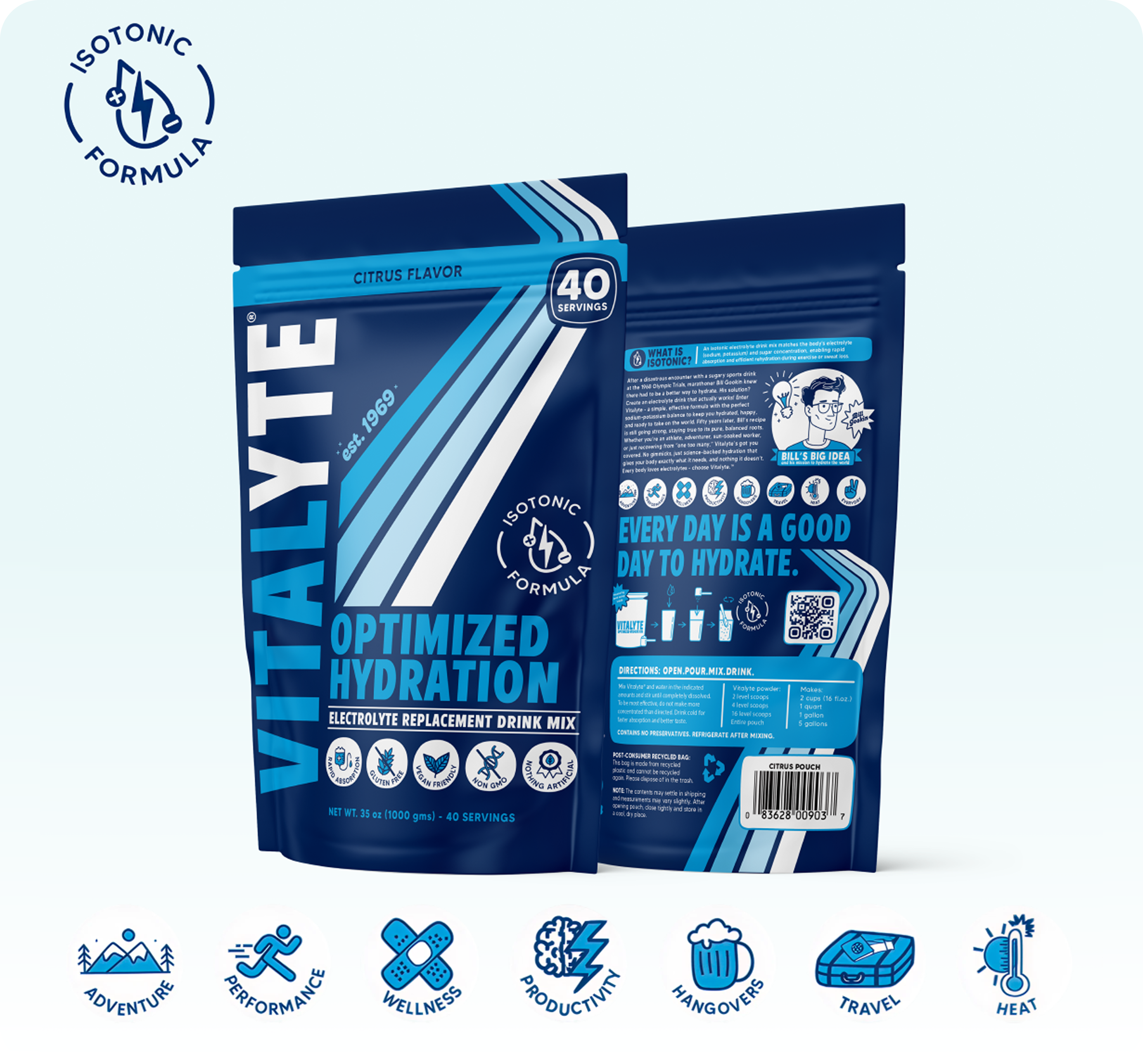
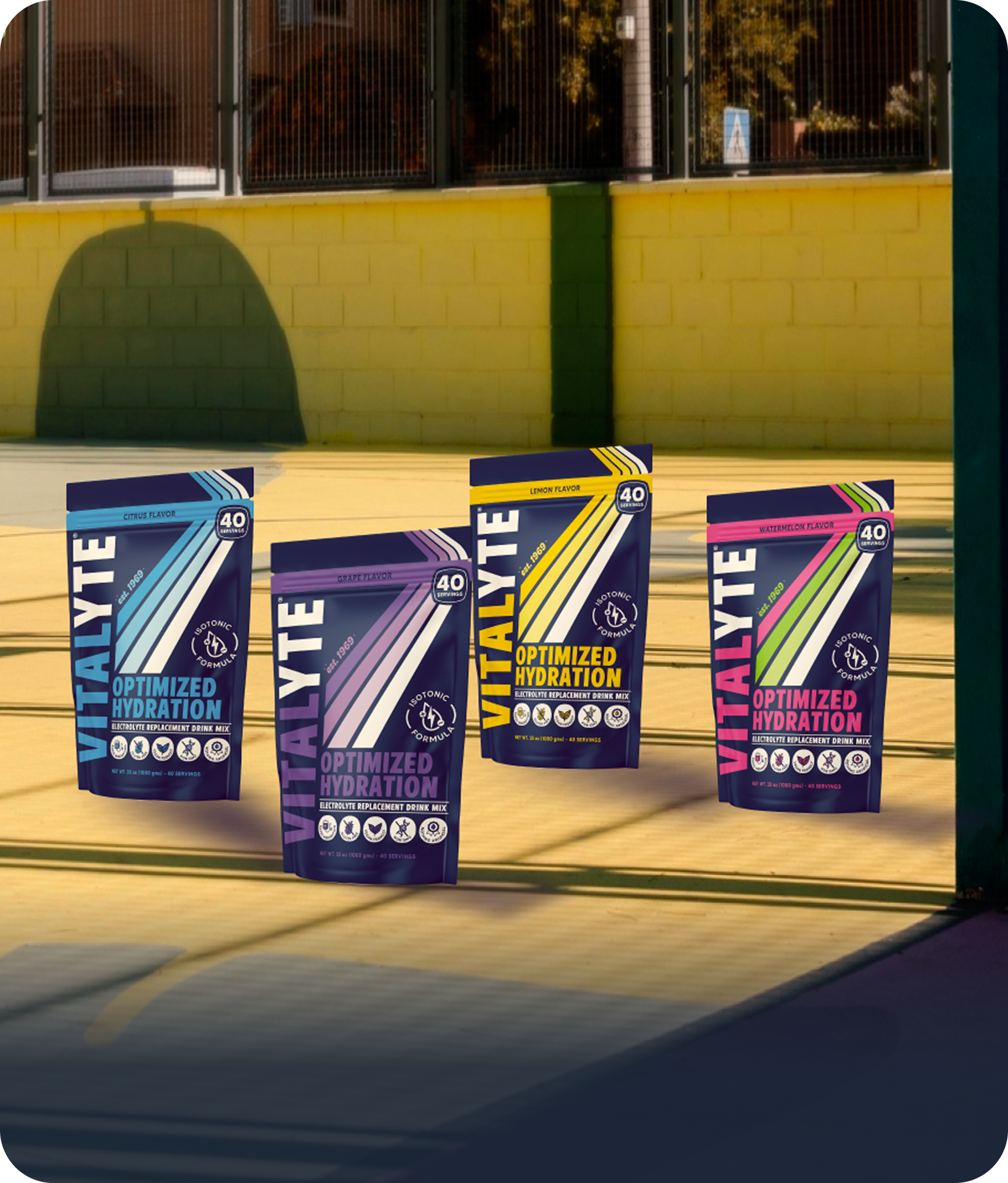
Our electrolyte powder for rapid replenishment delivers the same careful glucose-to-sodium balance you’ve learned about, pre-measured for consistent results every time. No high-fructose corn syrup, no artificial additives, just clean hydration that supports your active lifestyle.
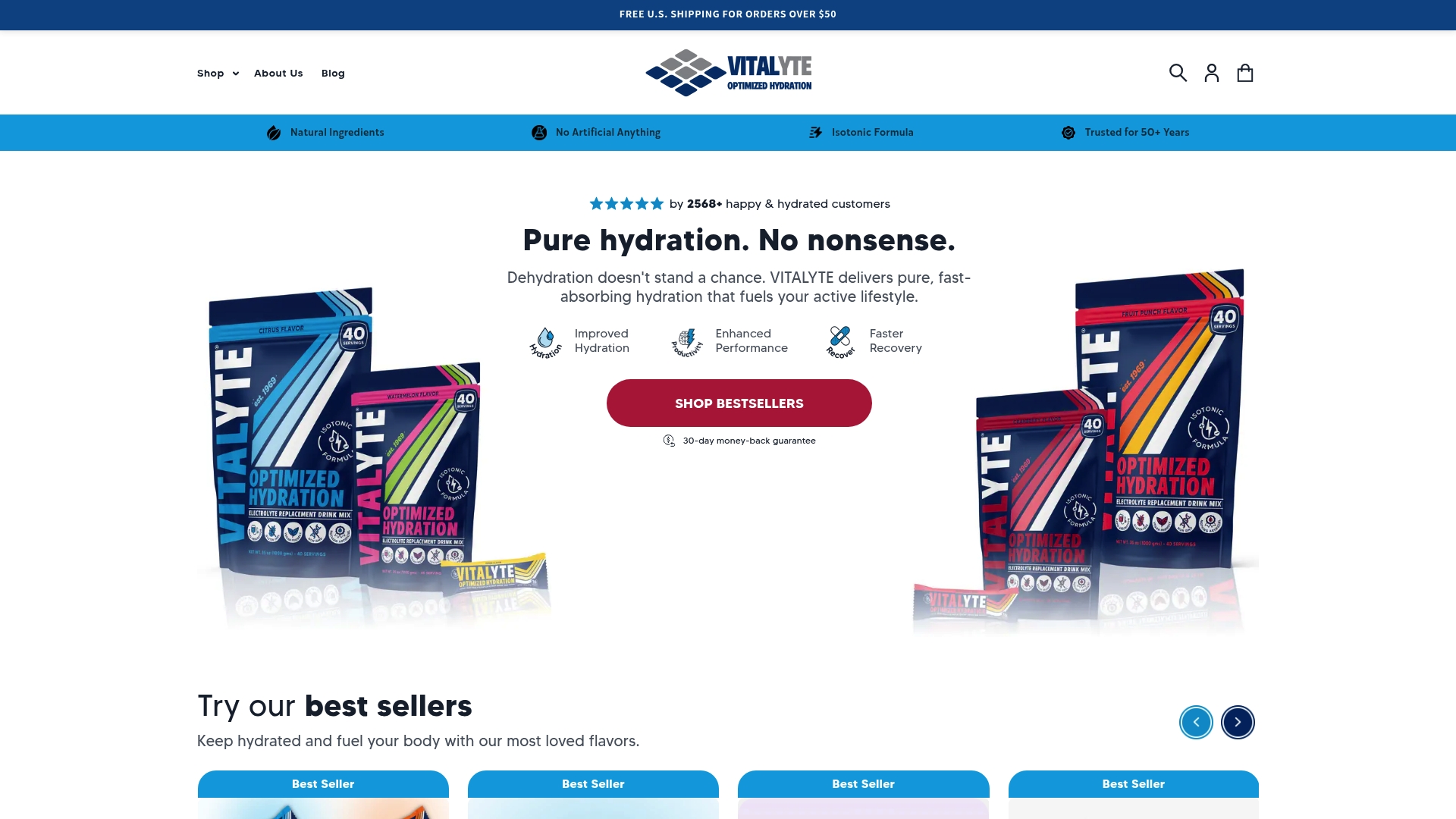
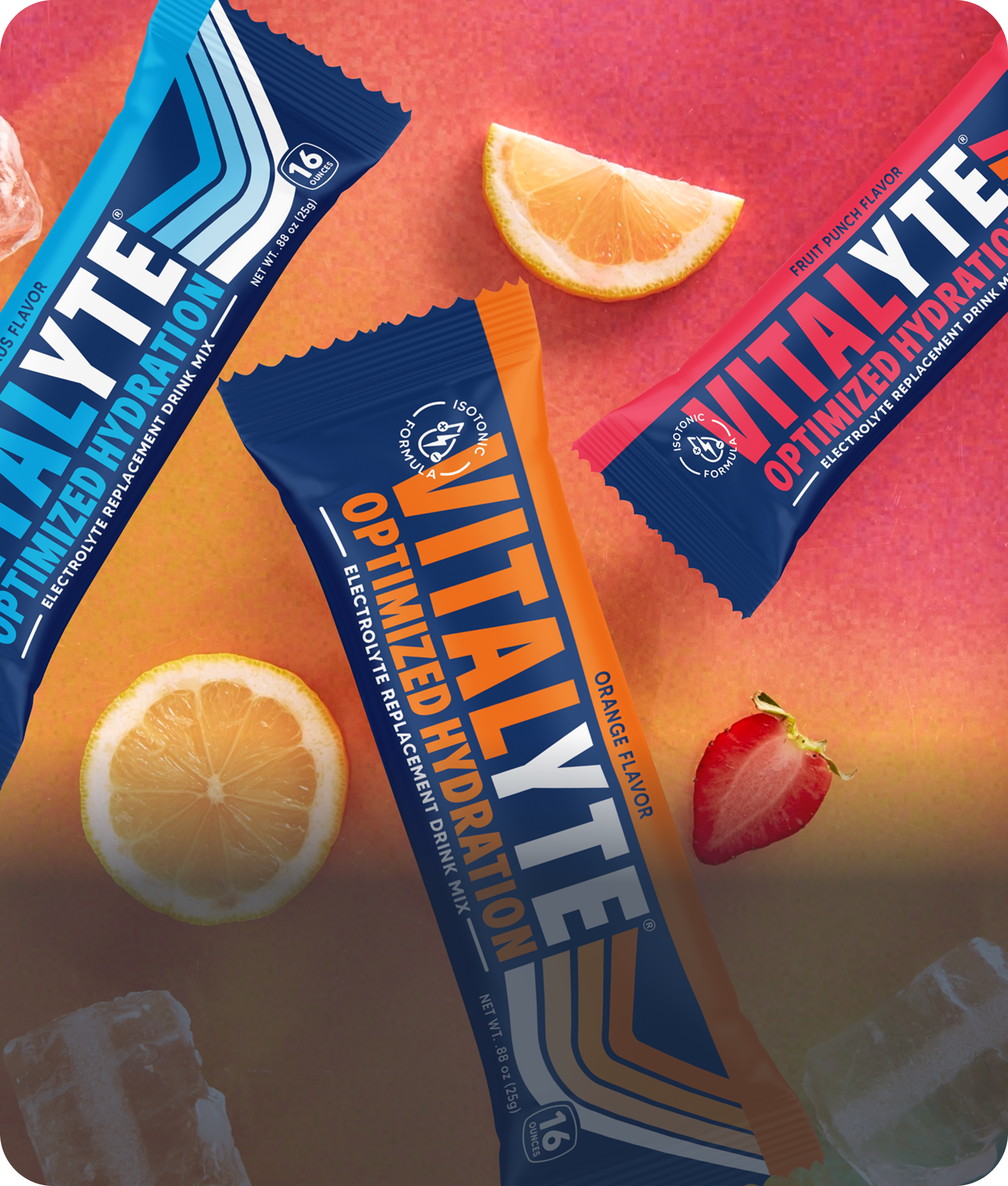
The orange electrolyte replacement drink mix provides natural citrus flavor similar to what you create at home, packaged for instant mixing. Pair it with our sports shaker bottle for smooth mixing anywhere. Whether you’re heading to the gym, hitting the trails, or traveling for competition, Vitalyte products complement your homemade hydration strategy with science-backed convenience.
Frequently asked questions
What natural ingredients can replace potassium supplements in drinks?
Coconut water stands as the best natural potassium source, delivering about 600 mg per cup without any processing. Bananas work well too, providing roughly 420 mg when blended into your drink. Other options include orange juice (450 mg per cup) or a handful of spinach blended smooth for variety.
Can homemade electrolyte drinks be stored safely and for how long?
Refrigerate homemade drinks immediately and consume within 48 hours maximum for safety. The natural ingredients lack preservatives that extend shelf life. For longer storage, freeze your prepared drinks in clean ice cube trays and thaw individual portions as needed.
How do I adjust electrolyte drinks for different workout intensities?
Light activities need just 250-300 mg sodium per serving, while intense sessions require 400-500 mg to match higher sweat losses. Increase both volume and concentration for workouts exceeding 90 minutes. Hot weather demands extra attention because sweat rates can double or triple.
Is it necessary to include glucose in homemade electrolyte drinks?
Yes, glucose significantly improves sodium and water absorption through the co-transport mechanism in your intestines. Without adequate glucose in a 1:1 or 1:2 ratio with sodium, you’re missing out on faster, more complete hydration. Natural sources like honey provide this without artificial sweeteners.
Are homemade electrolyte drinks suitable for all ages and health conditions?
Healthy active adults tolerate homemade electrolyte drinks well, but children need adjusted concentrations based on body weight. People with kidney disease, high blood pressure, or diabetes should consult healthcare providers before changing electrolyte intake. Pregnant women should also seek medical guidance on appropriate sodium levels.