



Do Electrolytes Help With Fatigue?
Share

That drained, heavy feeling halfway through a workout, during a long shift outside, or after a day in the heat is not always about sleep or motivation. Often, the better question is: do electrolytes help with fatigue when your body is running low on fluids and key minerals? In many cases, yes - especially when fatigue shows up alongside sweating, thirst, muscle cramps, headaches, or that washed-out feeling that hits when hydration is off.
Fatigue is tricky because it has more than one cause. You can feel tired from poor sleep, hard training, not eating enough, stress, illness, or dehydration. Electrolytes are not a cure-all. But when fatigue is tied to fluid loss and mineral imbalance, getting the right electrolytes back in can make a real difference, and usually faster than plain water alone.
Do electrolytes help with fatigue during activity?
They can. Electrolytes help your body manage fluid balance, support muscle function, and keep nerve signals firing the way they should. When you sweat, you lose water and electrolytes at the same time, especially sodium. If you replace only the water and not what was lost with it, you may still feel sluggish, weak, or off.
This matters most during exercise, outdoor work, travel, illness, or any situation where you are sweating more than usual. A short, easy walk probably will not drain you enough to notice. A long run in the heat, a two-hour gym session, a summer job site, or a full day of hiking is different. In those situations, fatigue can be one of the first signs that hydration is slipping.
Electrolytes do not create energy the way calories do, and they are not stimulants. They work by helping your body absorb and use fluids more effectively so you can maintain normal physical and mental function. If you have ever had plenty of water and still felt flat, that is often the missing piece.
Why dehydration can feel like exhaustion
Even mild dehydration can affect performance. Your heart works harder. Perceived effort goes up. Muscles may feel heavier than they should. Focus can get fuzzy. What starts as “I feel a little tired” can turn into a sharp drop in pace, power, and concentration.
Sodium plays a big role here because it helps your body hold onto the fluid you drink. Potassium also supports muscle and nerve function. Magnesium is involved in muscle contraction and energy metabolism. When these levels drift low, the result can feel a lot like pure fatigue, even if the real issue is hydration status.
This is one reason active adults often feel better with an electrolyte drink than with water alone after a sweaty session. The goal is not just to drink more. It is to rehydrate in a way your body can use efficiently.
When electrolytes are most likely to help
If your fatigue shows up during or after sweating, electrolytes are more likely to help. Think long workouts, hot weather, high humidity, physically demanding jobs, back-to-back training sessions, or days when you are simply losing more fluid than usual.
They can also help when travel throws off your routine. Flying, walking through airports, changes in climate, and not drinking enough water can leave you feeling more wiped out than expected. The same goes for recovery after intense exercise. If you end a session depleted and cannot seem to bounce back, better hydration support may be part of the fix.
There is also a practical difference between plain water and an electrolyte drink built for absorption. A well-formulated isotonic drink is designed to move fluids and electrolytes into the body quickly without a lot of extras. For active people, that can mean less guesswork and a faster return to feeling normal.
When fatigue is probably not an electrolyte problem
This is where the answer gets more honest: sometimes fatigue has nothing to do with hydration. If you are consistently exhausted, even on rest days and in cool conditions, electrolytes may not move the needle much. Poor sleep, under-fueling, overtraining, low iron, stress, illness, and other health issues can all show up as fatigue.
Electrolytes also will not replace carbohydrates when your energy stores are depleted. If you have gone hard for a long time and barely eaten, you may need both hydration and fuel. That is why context matters. Feeling drained at the end of a hot, sweaty tennis match is different from feeling tired every afternoon for three weeks.
If fatigue is severe, persistent, or paired with symptoms like dizziness, fainting, chest pain, or confusion, it is smart to talk with a healthcare professional. Hydration support is useful, but it should not be used to paper over a bigger issue.
What to look for in an electrolyte drink
Not all electrolyte products are built the same. Some are loaded with artificial colors, sweeteners, or unnecessary extras. Others focus on the basics your body actually needs for hydration support.
If your goal is to fight fatigue related to dehydration, a cleaner formula with sodium and other key electrolytes makes the most sense. Glucose can matter too. In the right amount, it helps support absorption by working with sodium in the gut, which is one reason glucose-based formulas have stayed relevant for decades. It is not about turning your drink into dessert. It is about helping hydration happen faster and more effectively.
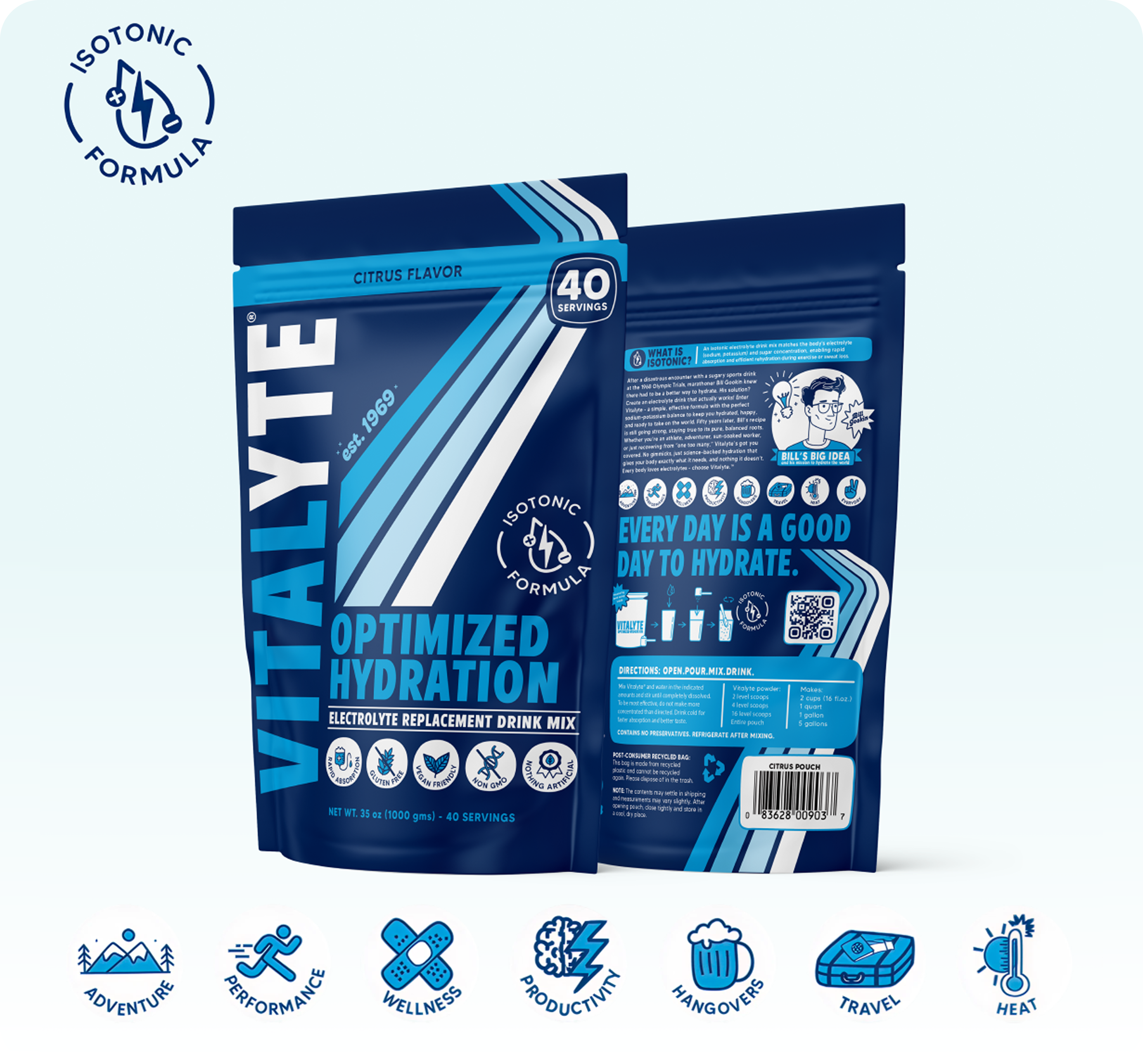
That is where a no-nonsense formula stands out. Vitalyte, for example, uses a glucose-based isotonic approach designed for fast absorption without artificial colors, flavors, sweeteners, or caffeine. For people who want hydration support without the junk, that is a practical advantage.
Signs fatigue may be tied to low electrolytes
You do not need to overcomplicate this. A few clues usually show up together. If fatigue comes with heavy sweating, thirst, muscle cramps, headaches, weakness, or a drop in endurance, electrolyte loss may be involved. Some people also notice brain fog or a nagging sense that their recovery is slower than it should be.
The timing matters too. Fatigue that builds during heat exposure or right after a long sweat session points more strongly toward hydration. Fatigue that appears first thing in the morning after a full night of sleep probably points elsewhere.
Your habits matter as well. If you are training hard, working outdoors, wearing heavy gear, or eating very clean but not replacing sodium, you may be more likely to feel the effects. The more fluid you lose, the more important replacement becomes.
How to use electrolytes without overthinking it
You do not need an elaborate hydration strategy for every normal day. But if you know you will be sweating, it helps to start before you are already depleted. Drinking electrolytes before, during, or after activity can all make sense depending on the length and intensity.
For shorter, lighter sessions, water may be enough. For longer efforts, hot conditions, or high sweat loss, an electrolyte drink is usually the better call. Many active adults also do well using electrolytes first thing in the morning after travel, after time in the sun, or anytime they feel that familiar run-down, dehydrated slump.
The biggest mistake is waiting until fatigue becomes a wall. Once you are significantly dehydrated, it is harder to feel good quickly. Staying ahead of it usually leads to better energy, steadier performance, and a smoother recovery.
So, do electrolytes help with fatigue?
Yes - when fatigue is linked to dehydration, sweating, and electrolyte loss, they can help a lot. They support fluid balance, muscle function, and faster rehydration, which can translate to better energy, clearer focus, and stronger recovery. But they are not magic, and they are not the answer to every kind of tired.
The real win is knowing the difference. If your fatigue tends to show up after heat, exercise, travel, or physically demanding days, electrolytes are worth taking seriously. When your body loses more than water, replacing more than water is often the simple fix that helps you feel like yourself again.
The cleanest approach is usually the best one: pay attention to when your fatigue shows up, match your hydration to what you are actually losing, and give your body what it can use.