


Natural vs Artificial Sweeteners in Sports Drinks
Share

When you're reaching for a sports drink to fuel your workout or recover after a long day in the heat, the sweetener matters. It affects how your body absorbs hydration, how you feel during exercise, and whether the drink aligns with what you actually want to put in your body.
The choice between natural and artificial sweeteners in sports drinks is more nuanced than marketing claims suggest. Both have real trade-offs, and understanding them helps you pick the drink that works for your goals, your body, and your performance.
What Natural Sweeteners Actually Are
Natural sweeteners come from plants and food sources. Common ones include stevia, honey, cane sugar, agave, and sugar alcohols like xylitol. They require minimal processing compared to their synthetic counterparts, though "natural" doesn't automatically mean better or worse for your body.
The appeal is straightforward: natural sweeteners come from recognizable sources. If you're someone who reads ingredient lists and avoids long chemical names, natural sweeteners feel like a win. They also don't carry the decades of health scrutiny that artificial options do, which matters psychologically when you're making choices about what to consume.
In sports drinks specifically, natural sweeteners like cane sugar provide energy alongside electrolytes, which can be helpful during intense or prolonged exercise. That energy boost is real and measurable.
How Artificial Sweeteners Work Differently
Artificial sweeteners like aspartame, sucralose, and acesulfame potassium are synthesized in laboratories. They deliver sweetness with minimal or zero calories because your body doesn't metabolize them the same way it does natural sugars.
The advantage is clear: you get the taste satisfaction without the caloric load. For people managing weight or blood sugar, that's significant. Artificial sweeteners also don't contribute to tooth decay the way sugar does, and they're stable at high temperatures, making them reliable across different formulations and storage conditions.
The concern is what we don't fully understand. Some people report side effects like headaches or digestive issues. Research on long-term safety is ongoing, and different regulatory bodies worldwide reach slightly different conclusions about acceptable daily intake. This uncertainty is why many active people prefer to avoid them.
Performance Impact During Exercise
During a workout or outdoor work session, the type of sweetener can affect how your drink works.
Sports drinks with natural sugars provide fuel your muscles can use immediately. This matters if you're exercising for more than an hour or working hard in the heat. The carbohydrates in the drink supplement your body's energy stores, which can help you perform longer and recover faster.
Drinks sweetened with artificial sweeteners or sugar alcohols don't provide that energy boost. Your muscles don't get fuel from them. If your goal is to maintain performance during extended physical work, this is a real difference. If you're doing a 30-minute gym session or need hydration during a cool afternoon, it's less critical.
The isotonic formula matters too, regardless of sweetener type. An isotonic drink is designed for fast absorption, which means your body gets fluids and electrolytes back quickly. That's independent of whether the sweetness comes from cane sugar or sucralose.
Recovery and What Your Body Actually Needs
After intense exercise or a day of working in the heat, recovery depends on replacing fluids and electrolytes, not on sweetener choice. Your muscles need sodium and potassium to rehydrate properly. Your system needs to restore fluid balance.
A sports drink with natural sweeteners can help because it provides carbs alongside those electrolytes, which aids recovery. Your body refuels and rehydrates at the same time.
A drink with artificial sweeteners still restores hydration and electrolyte balance. You just won't get the energy component. If you're eating food soon after exercise, that's fine. If you need immediate carbs, natural sweeteners make more sense.
Taste, Consistency, and Real-World Use
Honestly, taste matters because you'll only drink what you actually like. Artificial sweeteners sometimes leave an aftertaste that bothers people. Natural sweeteners usually taste more familiar, though they can be slightly less intense.
Consistency also matters when you're using stick packs on a road trip or during outdoor work. Powder that mixes well, stays fresh in your bag, and tastes good when you need it most is practical hydration. A drink that tastes off or doesn't mix well won't get consumed, defeating the whole purpose.
This is where personal preference legitimately outweighs any slight chemical advantage. If you'll actually drink it, it's the better choice for you.
Reading Labels and Making Your Choice
When comparing sports drinks, look beyond just sweetener type:
- Check the electrolyte content, especially sodium and potassium levels
- See how many grams of carbohydrates are included
- Look for artificial colors and flavors separately from sweetener choice
- Consider whether you're buying stick packs for convenience or resealable pouches for home use
- Think about your actual use case: quick workout, all-day outdoor work, or road trip hydration
A drink that uses natural sweeteners but also includes artificial colors is not necessarily "cleaner" than one that uses artificial sweeteners and natural flavors. The full ingredient list matters.
Why Vitalyte's Approach Works
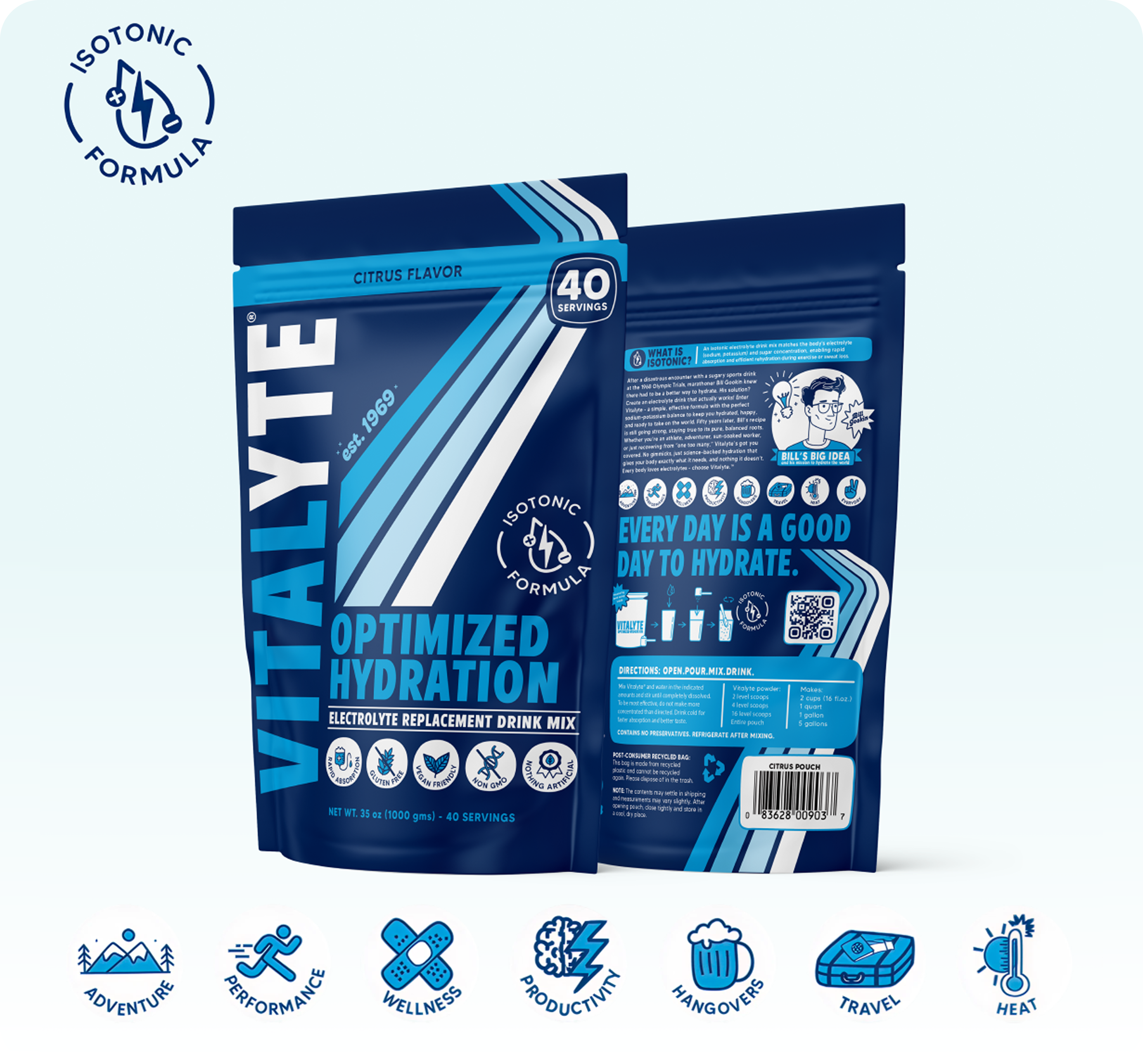
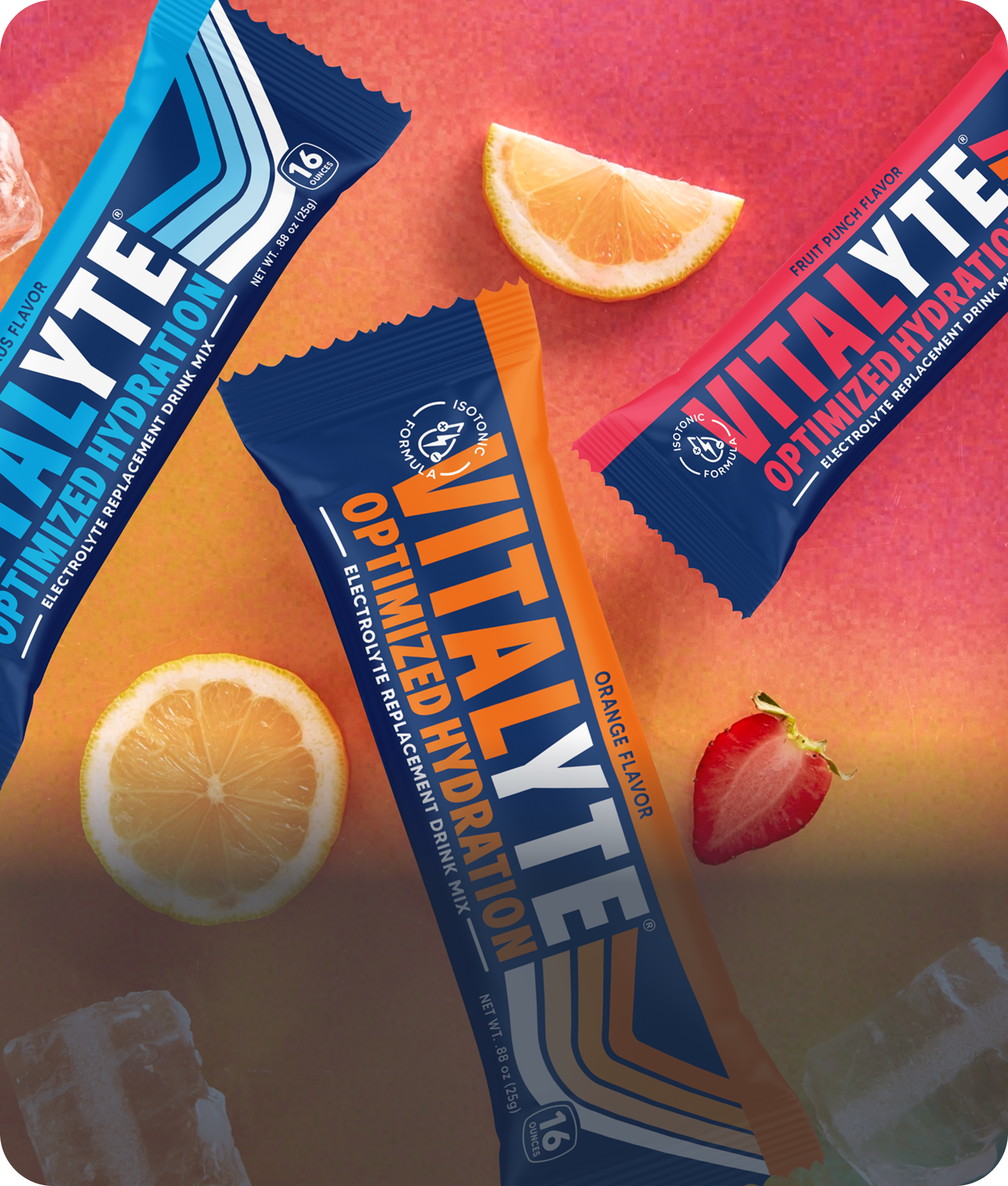
Vitalyte has been trusted for over 50 years because it focuses on what actually matters for hydration. The formula is isotonic, meaning it's designed for fast absorption so you replenish fluids and electrolytes when your body needs them most.
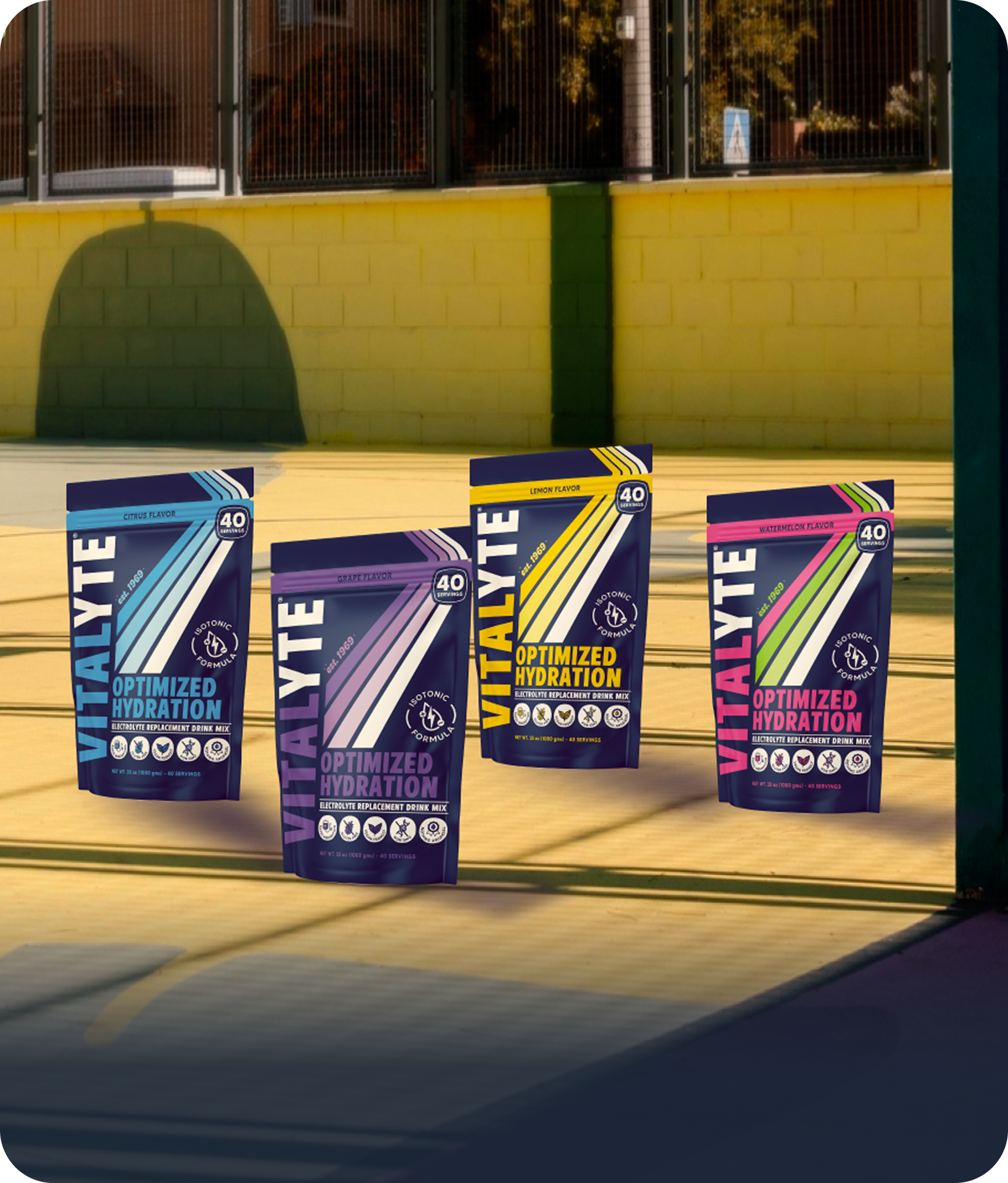
Vitalyte uses no artificial colors, flavors, or sweeteners. The drinks come in seven natural flavors available in single-serving stick packs for on-the-go convenience and resealable pouches for home use. This approach removes the uncertainty entirely. You get the performance benefits of a properly formulated sports drink without any ingredients you're second-guessing.
Whether you're dealing with muscle cramps from working outside in the heat or simply need reliable hydration during a training session, knowing what's in your drink lets you focus on performance instead of ingredient anxiety.
The Bottom Line
Neither natural nor artificial sweeteners are inherently evil. Both have legitimate uses and real trade-offs. The best choice depends on what you actually need from your sports drink in the moment.
If you want energy alongside hydration during intense exercise, natural sweeteners serve a purpose. If you want maximum hydration with minimal calories, artificial sweeteners work. If you'd rather not worry about either and just want a sports drink that's been proven reliable for half a century, choosing one with natural sweeteners and no artificial anything removes the decision paralysis.
Your performance depends on hydration, electrolyte balance, and consistency. Pick a drink that delivers those basics reliably, tastes good enough that you'll actually drink it, and aligns with your values about what goes into your body. That's how you find the sports drink that actually works for your needs.