


How to Rehydrate Fast After Workout
Share

You finish a hard workout, your shirt is soaked, and plain water suddenly does not seem to be doing the job. That is usually the moment people start asking how to rehydrate fast after workout without feeling bloated, sluggish, or wiped out for the rest of the day. The short answer is simple: replace both water and electrolytes, and do it soon enough that your body can actually use what you drink.
Why fast rehydration matters
When you sweat, you lose more than water. You also lose key electrolytes like sodium and potassium that help regulate fluid balance, muscle function, and nerve signaling. If you only replace water after a sweaty session, you may still feel off - tired, headachy, cramp-prone, or oddly thirsty.
Fast rehydration matters because recovery starts right away. The sooner you restore what you lost, the sooner your body can get back to normal temperature regulation, circulation, and muscle function. That matters if you are training again tomorrow, going back to work, or just trying not to crash by mid-afternoon.
This is even more important after long workouts, hot-weather training, high-intensity sessions, or any activity where your clothes end up salt-streaked. In those cases, water alone is often not enough.
How to rehydrate fast after workout without overthinking it
The fastest way to rehydrate is to drink fluids that contain electrolytes, especially sodium, soon after exercise. Sodium helps your body retain the fluid you drink instead of sending it straight through your system. A drink with the right balance of fluids and electrolytes is usually more effective than chugging a huge bottle of plain water.
This is where people get tripped up. They think more is better, so they drink a lot all at once. That can leave you feeling sloshy and uncomfortable, and it does not always improve absorption. A steadier approach tends to work better: start drinking soon after your workout, then continue over the next hour or two based on how much you sweated.
If your workout was light and short, water plus a normal meal may be enough. If it was long, intense, or hot, you will likely recover faster with an electrolyte drink that is designed for rapid absorption.
What to drink after a workout
Plain water has its place, especially after shorter or lower-sweat workouts. But if you lost a lot of fluid, the better choice is an electrolyte drink with sodium and a clean formula your stomach can handle.
The best post-workout hydration drinks are easy to absorb and not overloaded with extra ingredients you do not need. A glucose-based isotonic formula can be especially useful because it is designed to help fluid and electrolytes move quickly into the body. That means faster hydration without the heavy, syrupy feel of some sports drinks.
Ingredient quality matters too. If you are using hydration support regularly, it makes sense to choose one without artificial colors, flavors, sweeteners, high fructose corn syrup, caffeine, or filler ingredients that do not help recovery. Pure hydration. No nonsense.
You can also get some fluid and electrolytes from food. Broth, fruit, yogurt, and salty snacks can help, especially if you are eating soon after training. Still, when speed is the goal, a dedicated hydration drink is usually the more practical option.
Timing makes a bigger difference than most people think
If you want to know how to rehydrate fast after workout, do not wait until you feel wrecked. Start as soon as possible after training, especially if you know you sweat heavily. Thirst is useful, but it is not always the earliest or most accurate signal.
A smart approach is to begin with a moderate amount of fluid in the first 30 minutes, then keep sipping over the next one to two hours. That gives your body time to absorb what you are taking in. It also lowers the chance that you will drink too much plain water too quickly and dilute your sodium levels further.
If you weigh yourself before and after workouts, you can get even more precise. A noticeable drop in body weight usually means fluid loss. For many active adults, that is the easiest way to learn whether their usual hydration routine is actually enough.
Signs you need more than water
Some workouts do not require much strategy. Others clearly do. If you have any of these signs after exercise, your body may be asking for electrolytes, not just water:
- heavy sweating or salt on your skin or clothes
- muscle cramps or twitching
- headache or dizziness
- unusual fatigue after training
- lingering thirst even after drinking water
- dark yellow urine or low urine output
Common mistakes that slow down recovery
One of the biggest mistakes is waiting too long to drink. If you finish training dehydrated and then delay rehydration until later, recovery gets harder. You may also end up overeating, dragging through the rest of your day, or struggling in your next session.
Another common mistake is relying on water alone after a high-sweat workout. Water helps, but without enough electrolytes, especially sodium, it may not fully solve the problem. You can still feel depleted even if you drank a lot.
Then there is the opposite problem: reaching for drinks loaded with sugar, artificial ingredients, or stimulants. Some are more like soda with a fitness label. They may taste fine, but they are not always built for fast, effective hydration.
Alcohol after exercise is another recovery killer. It works against rehydration and can leave you feeling worse the next day. If recovery is the priority, save it for another time.
How much should you drink?
It depends on how much you lost. A short strength session in a cool gym is not the same as a summer run, a long bike ride, or a physically demanding shift outdoors. Sweat rates vary a lot between people too.
A practical baseline is to drink enough that your thirst comes down, your urine returns to a lighter color, and you start feeling normal again rather than drained. If you know you lost a lot of fluid, plan to keep rehydrating beyond the immediate post-workout window.
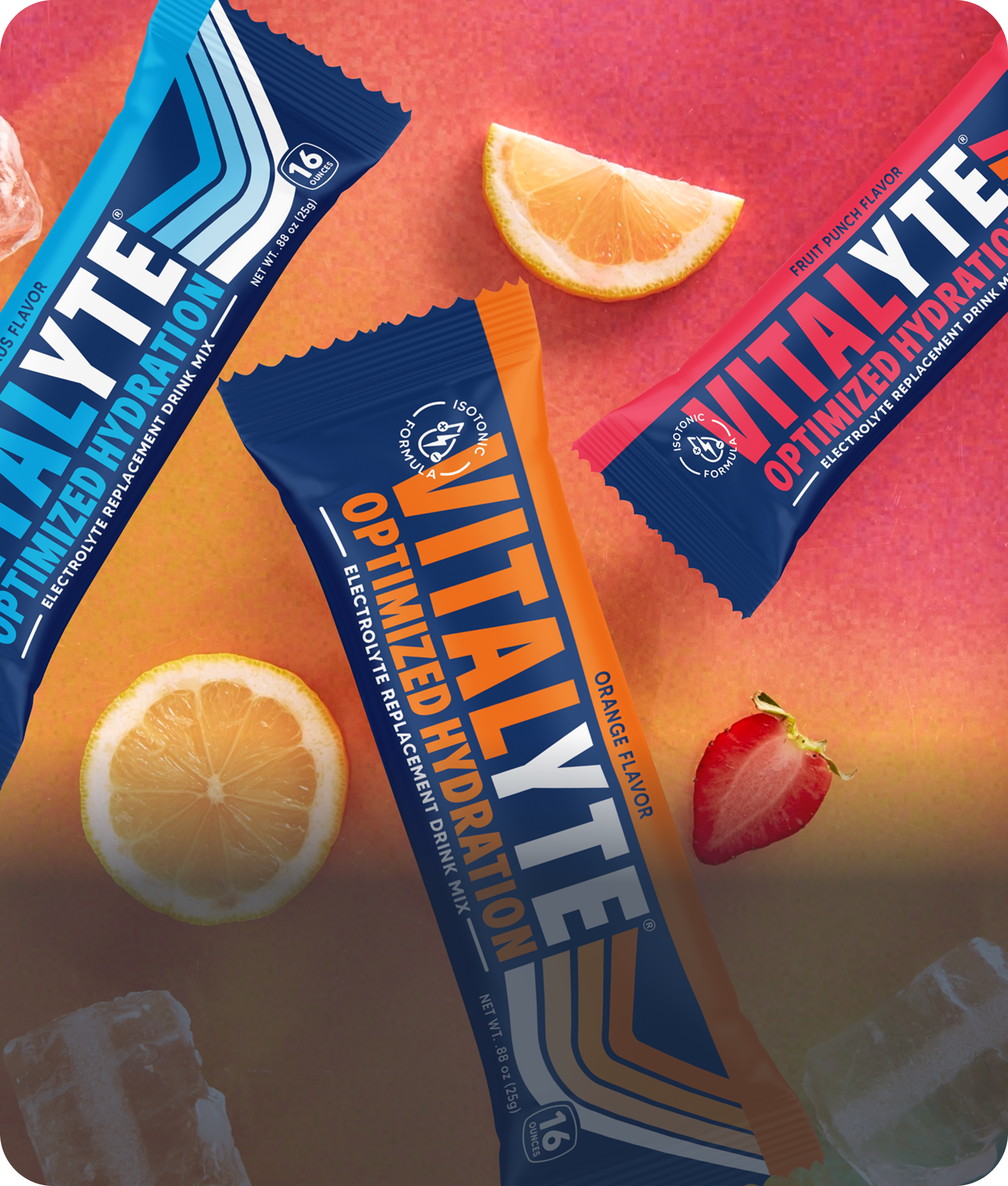
This is where convenience matters. If hydration support is easy to carry and easy to mix, you are more likely to use it consistently. That is one reason single-serve sticks and simple powder mixes work so well for active routines. They make it easier to stay ahead of dehydration instead of trying to fix it after the damage is done.
The cleanest path to faster recovery
If your goal is performance and recovery, post-workout hydration should be simple. Replace fluid. Replace electrolytes. Use a formula that is easy to absorb and does not bury the real benefit under artificial extras.
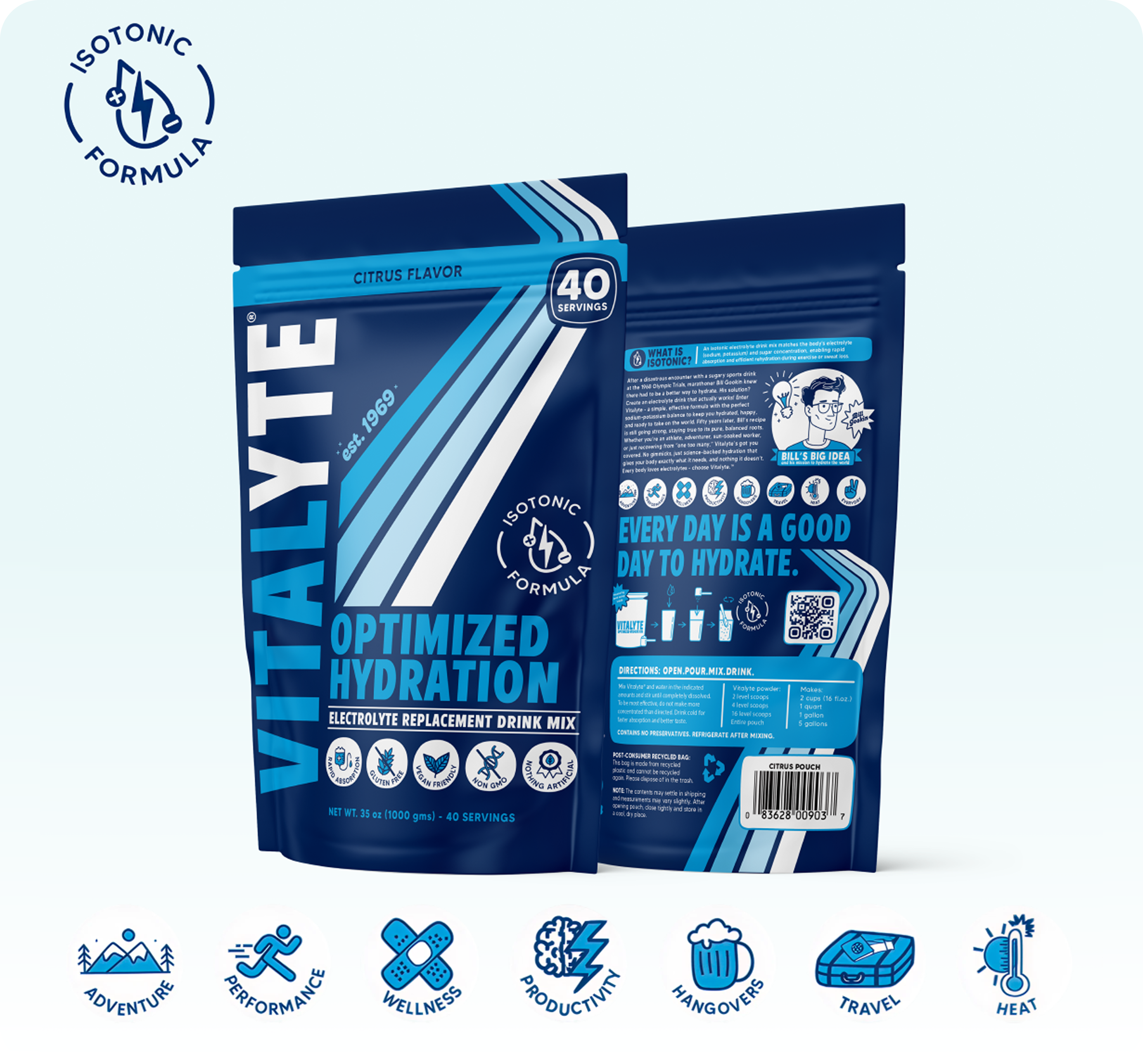
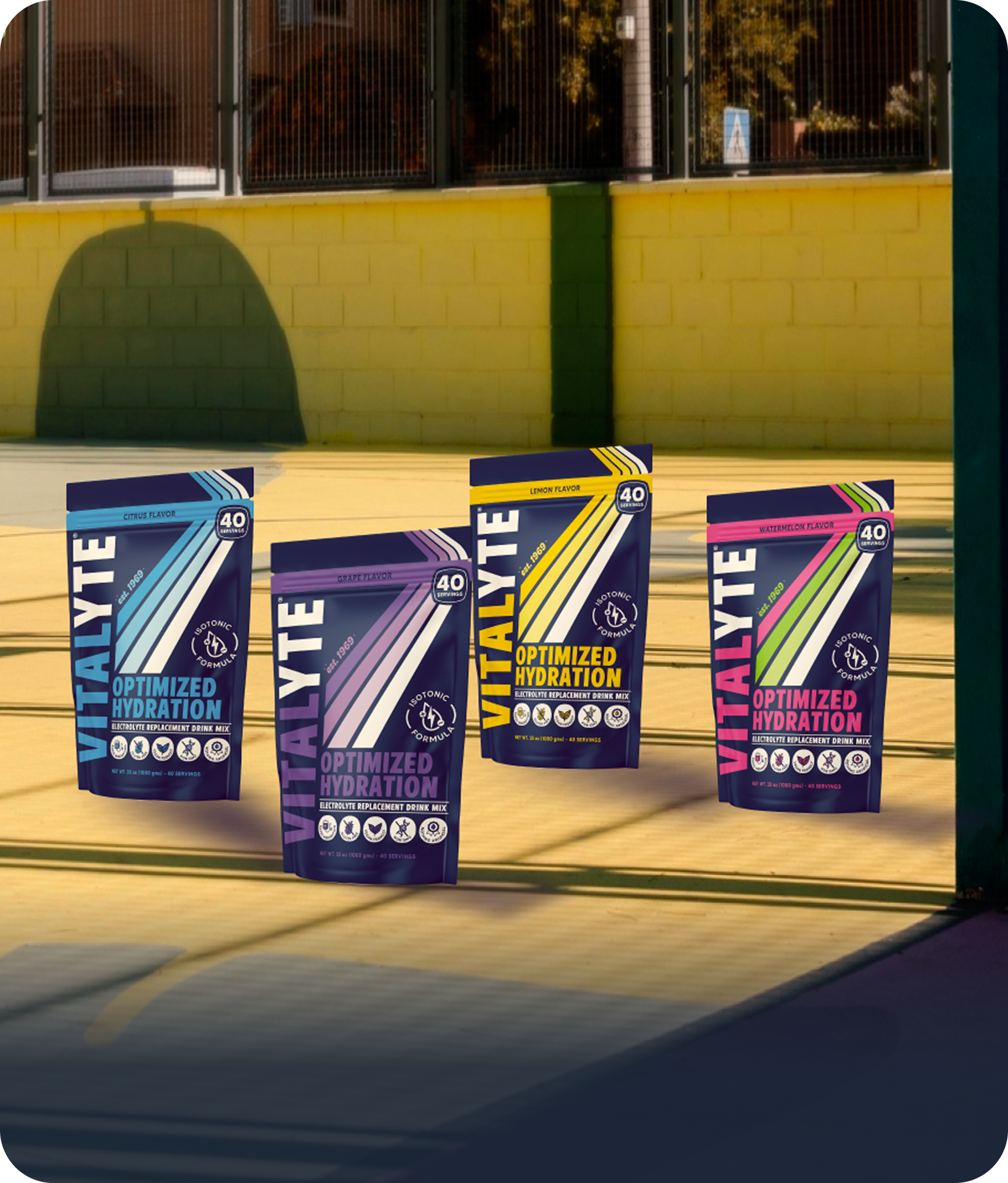
That is why many active adults do better with a clean, glucose-based electrolyte drink than with plain water alone or sugary sports drinks. It gives your body what it actually needs after sweating: fast hydration support, better fluid retention, and a smoother path back to normal energy and muscle function. Vitalyte is built around exactly that idea, with an isotonic formula trusted for more than 50 years.
The best hydration plan is the one you will actually use. Keep it simple, keep it clean, and pay attention to how your body responds. When you rehydrate well, recovery feels less like damage control and more like getting ready for whatever is next.