


How to Prevent Exercise Dehydration Fast
Share

You usually feel exercise dehydration before you fully recognize it. Your pace slips. Your legs feel heavier than they should. You stop sweating as much, or you start getting a headache that seems to come out of nowhere. If you want to know how to prevent exercise dehydration, the fix is not just drinking more water whenever you remember. It is starting hydrated, replacing what you lose, and using the right fluid balance for the work you are doing.
Why exercise dehydration happens so quickly
When you train, work outside, hike, or play sports, your body cools itself by sweating. That sweat carries out more than water. You also lose electrolytes like sodium and potassium, which help regulate fluid balance, muscle function, and nerve signaling. If you replace sweat losses with plain water alone in the wrong amounts, you may still feel drained, crampy, or off.
This is where people get tripped up. They assume dehydration only becomes a problem during long endurance sessions. In reality, it can show up much earlier if the weather is hot, humidity is high, your workout is intense, or you started the session underhydrated. A hard 45-minute workout in summer heat can hit differently than a moderate 90-minute workout indoors.
Your sweat rate also matters. Some people lose a lot of fluid fast. Some are salty sweaters who lose more sodium. Others barely notice thirst until performance has already dropped. There is no one-size-fits-all hydration rule, but there is a practical way to stay ahead of it.
How to prevent exercise dehydration before you start
The best hydration plan begins before the first rep, mile, or shift. If you start behind, you spend the rest of the session trying to catch up.
A simple approach is to drink fluids steadily throughout the day instead of chugging a large amount right before exercise. Your urine color can help here. Pale yellow usually means you are in a better spot than dark yellow. It is not a perfect metric, but it is useful in real life.
In the hour or two before activity, drink enough to feel prepared, not sloshy. That balance matters. Too little and you start dry. Too much and you may feel bloated or spend the first part of your workout looking for a bathroom.
If you know you are heading into a hard session, high heat, or extended activity, electrolytes before exercise can help more than plain water alone. Sodium is especially important because it helps your body retain the fluid you drink and supports normal muscle and nerve function. For active adults who want fast hydration without extra junk, a clean isotonic electrolyte drink can make pre-workout hydration more effective and easier to tolerate.
Don’t wait for thirst to be your only signal
Thirst matters, but it is not always early enough. During intense effort, people often drink less than they need simply because they are focused on performance. In cooler conditions, thirst may feel muted even when sweat losses are adding up. Use thirst as one cue, not the whole plan.
What to drink during exercise
During exercise, the goal is simple: replace enough fluid and electrolytes to support performance without overdoing it. That does not always mean constant sipping every few minutes. It depends on duration, intensity, environment, and your personal sweat rate.
For shorter, easier workouts in mild weather, water may be enough for some people. But once you move into longer sessions, hotter conditions, heavy sweating, or higher intensity, electrolytes become a lot more important. If you lose sodium in sweat and only replace with water, you may notice fatigue, headaches, muscle cramps, or that washed-out feeling where everything suddenly feels harder.
An isotonic drink can be especially useful here because it is formulated to match the body’s natural fluid balance more closely, which supports faster absorption and easier hydration during activity. That can be a better fit than drinks loaded with excess sugar, artificial ingredients, or stimulant add-ons that do not actually solve the hydration problem.
Signs you need more than plain water
A few clues point to the need for electrolytes during exercise. You are training longer than an hour. You are sweating heavily. Salt dries visibly on your skin or clothes. You are exercising in heat or humidity. You tend to cramp, fade late, or feel wiped out after what should have been a manageable effort.
That does not mean everyone needs the same drink concentration or timing. It means your hydration should match your output.
How to prevent exercise dehydration in heat and humidity
Hot weather changes the equation fast. Your body sweats more to cool itself, and humidity makes that cooling less efficient. You may be losing plenty of fluid while still feeling overheated.
In these conditions, front-loading hydration becomes more important. Go in well hydrated, bring enough fluid with you, and choose a drink that replaces electrolytes along with water. If the session is long or especially sweaty, do not rely on a few sips halfway through.
Pacing matters too. A lot of dehydration problems begin when people try to train at normal intensity in weather that demands a different plan. Slowing down, taking shade breaks, or adjusting session length is not a sign of weakness. It is smart heat management.
Clothing can help as well. Light, breathable gear reduces heat load, which may help limit excessive sweat losses. So can choosing early morning or evening workouts when possible.
Recovery starts with rehydration
A workout does not end when you stop moving. If you finish dehydrated and stay that way, recovery gets harder. You may feel more fatigued later in the day, perform worse in your next session, and increase your chances of headaches or muscle cramps.
Post-exercise rehydration should replace both fluid and electrolytes, especially after long, hot, or high-sweat efforts. Water helps, but if you lost a lot of sodium, a quality electrolyte drink may help you bounce back faster and hold onto the fluids you take in.
Food can help here too. Meals and snacks that contain sodium and potassium support recovery hydration. Fruit, yogurt, broth-based soups, potatoes, and salted whole foods can all contribute. If you are a heavy sweater or training again soon, this step matters more than people realize.
Common hydration mistakes that make dehydration more likely
One of the biggest mistakes is treating hydration like an afterthought. If your first drink happens once you are already exhausted, you are late.
Another common problem is assuming clear urine all day means better hydration. Overdrinking plain water can leave you feeling off too, especially if electrolytes are not being replaced. More is not always better.
People also underestimate how much environment changes their needs. Cool indoor workouts and humid outdoor sessions are not the same. Neither are strength workouts with long rest periods and nonstop cardio intervals. Your hydration plan should flex with the demand.
Then there is ingredient quality. Many people want hydration support but do not want artificial colors, artificial sweeteners, or a formula packed with unnecessary extras. That is a fair concern. Clean, straightforward hydration is often easier to use consistently because it fits into daily routines without compromise.
A simple routine for how to prevent exercise dehydration
If you want a no-nonsense approach, keep it simple. Hydrate steadily during the day. Drink before activity so you do not start behind. Use electrolytes when workouts are long, hot, intense, or sweaty. Rehydrate after exercise so recovery is not fighting an uphill battle.
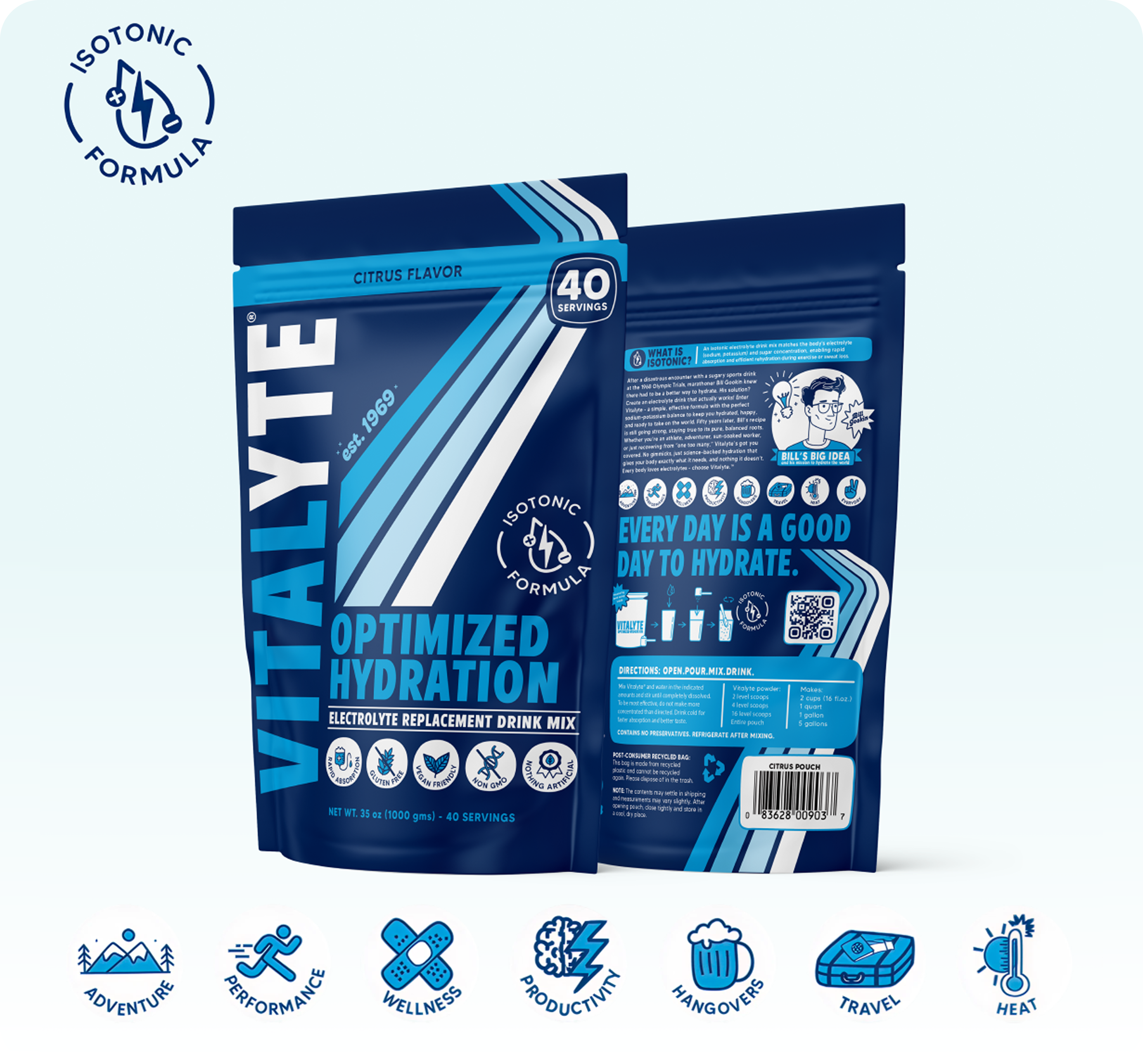
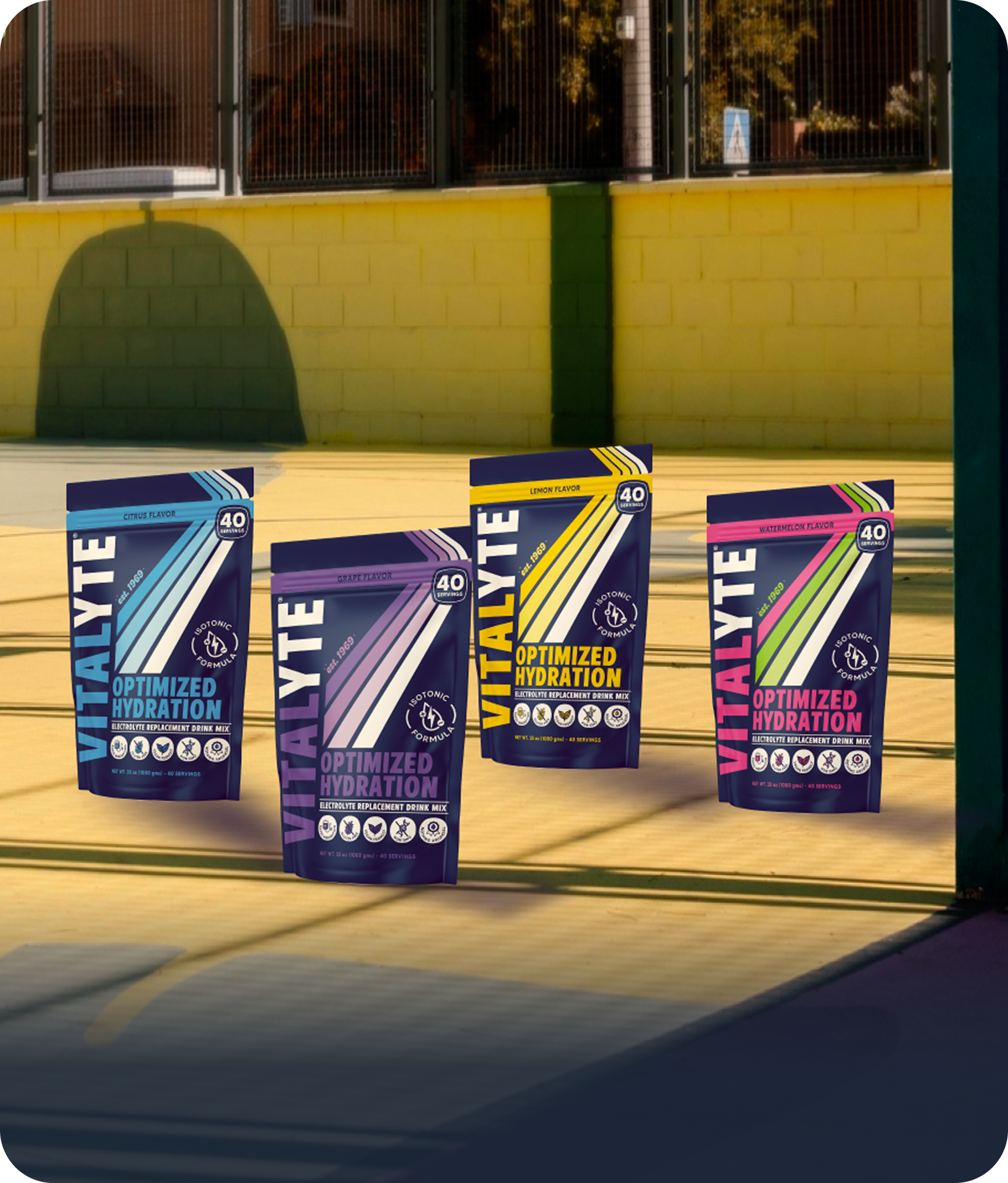
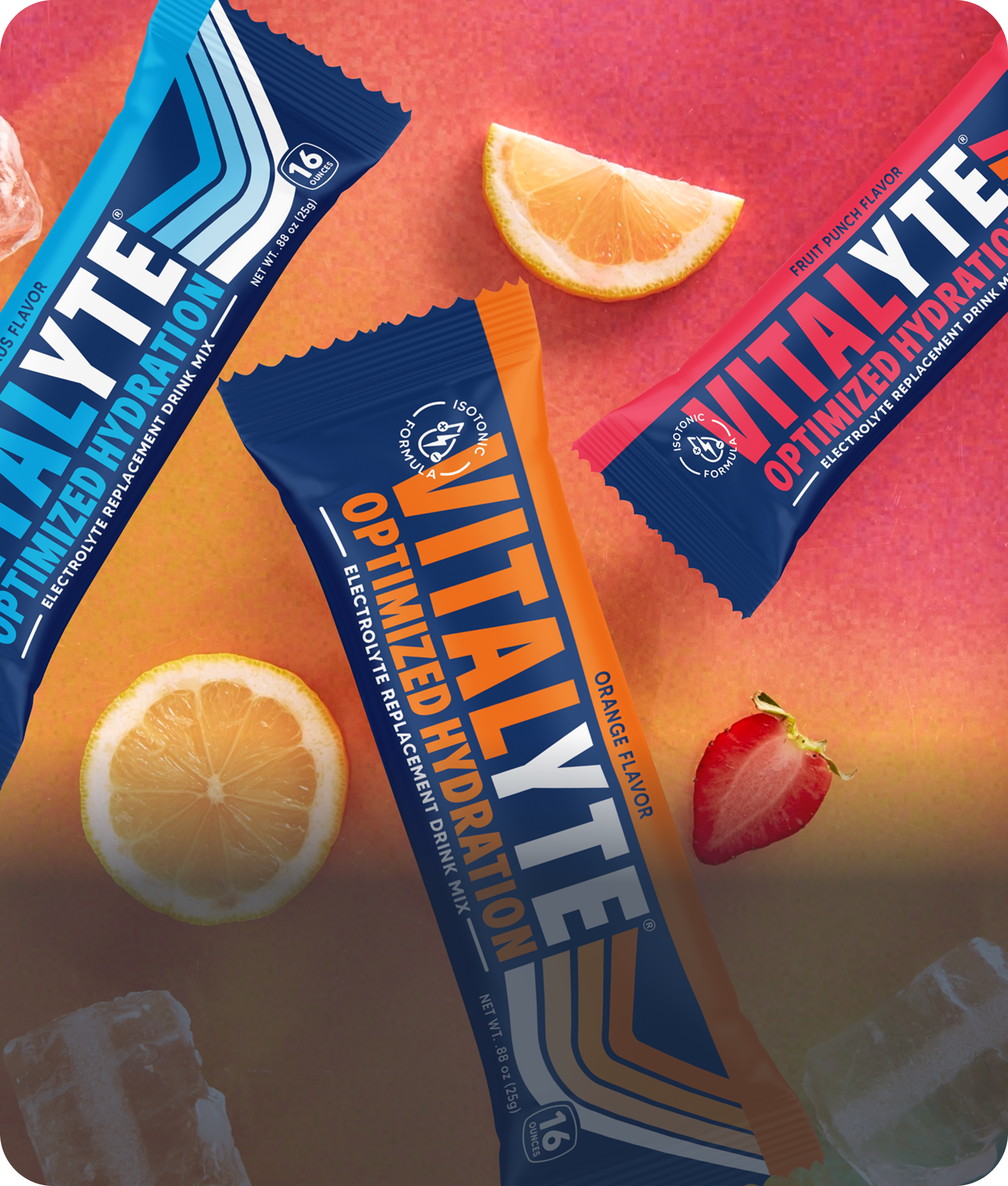
For a lot of active adults, convenience is what makes the habit stick. A ready routine at home plus portable stick packs or single-serve options for the gym, field, trail, or jobsite removes friction. That is one reason clean electrolyte solutions like Vitalyte work well for people who need reliable hydration without artificial colors, flavors, sweeteners, caffeine, or filler ingredients.
The best hydration plan is the one you will actually use. Not the most complicated one. Not the one built for an elite athlete with a support team. Just a practical routine that helps you feel stronger, recover faster, and avoid the slow drain of preventable dehydration.
Your body gives you early warnings when hydration is slipping. Listen before those warnings turn into a bad workout, a rough recovery day, or heat stress you could have avoided.