


How to Buy Natural Electrolyte Powder for Optimal Hydration – 2026 Guide

Want to feel happy and hydrated every day? You can get there with the right electrolyte powder. In this guide we’ll walk you through how to buy natural electrolyte powder that matches your needs, fits your budget, and stays fresh.
We dug into four clean‑ingredient powders from three trusted sites and pulled out the real facts. The data shows that the only product without any artificial sweetener yet packing 19 g of sugar is the priciest option , Skratch Labs , proving low‑sugar formulas don’t need sweeteners.
| Name | Price per Serving | Sodium (mg) | Sugar (g) | Artificial Sweetener | Packaging | Best For | Source |
|---|---|---|---|---|---|---|---|
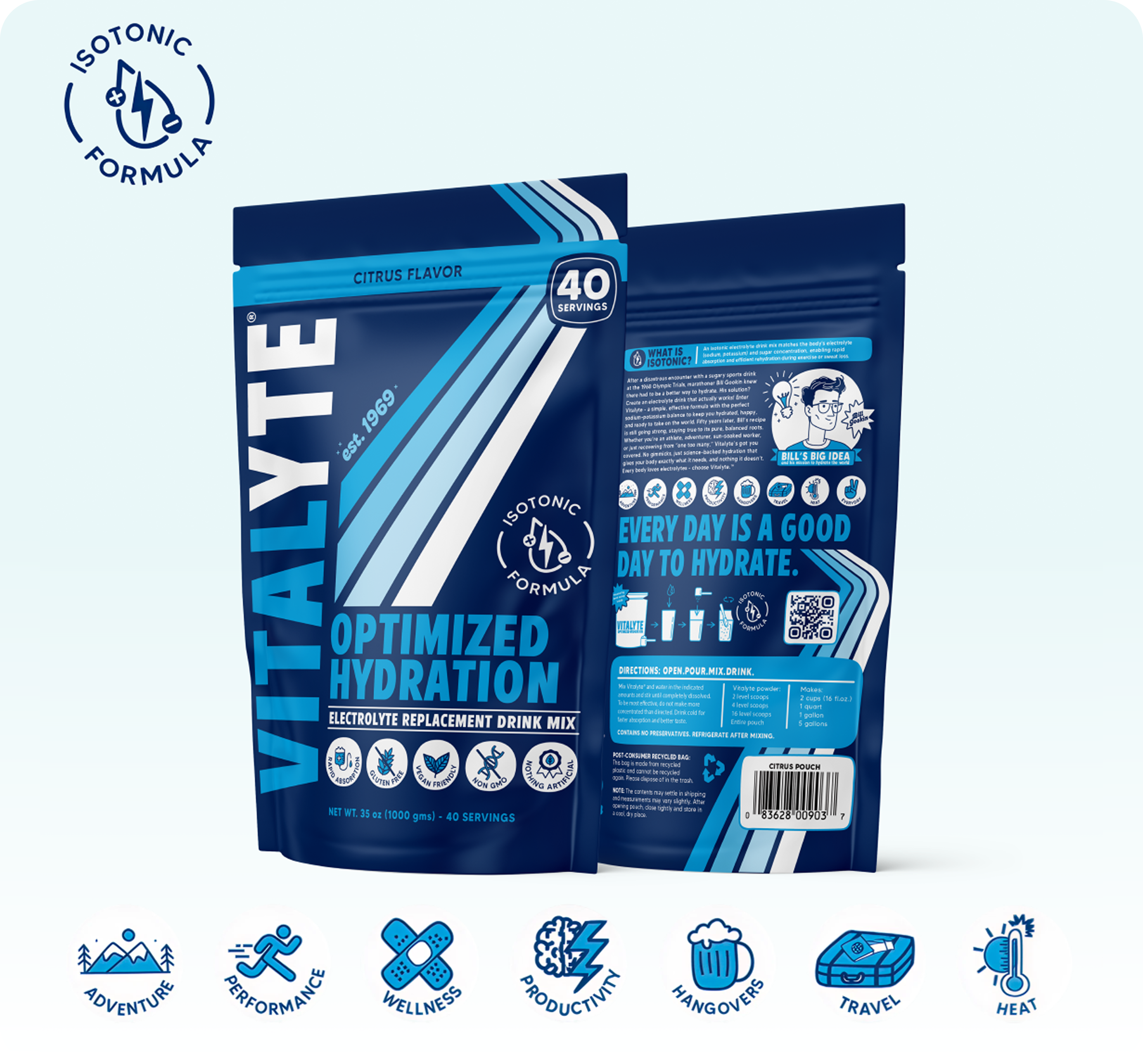
| Vitalyte Electrolyte Powder (Our Pick) | — | — | — | None | Standup pouch with 25 single‑serve packets | Best for sustainable packaging | vitalyte.com |
| Skratch Labs | $0.92 and up | 400 | 19 | No | — | Best for high sodium boost | forbes.com |
| Ultima Replenisher Electrolyte Mix | $0.47 (in a 90-serving container) | 55 | 0 | No | single‑serve packets | Best budget | treelinereview.com |
| NutriBiotic Essential Electrolytes | $0.70 (in a 10 serving container) | — | — | No | capsules | Best for capsule convenience | treelinereview.com |
We searched for “natural electrolyte powder” and scraped product pages, review round‑ups, and brand sites on April 3 2026. From each source we pulled price per serving, sodium, sugar, sweetener status, and packaging type. Four products from three domains met the criteria. This short method gives us a clear view of what’s out there.
Step 1: Identify Your Hydration Needs and Goals
First, think about why you need extra electrolytes. Are you training for a marathon? Do you work outdoors in heat? Or do you just want a daily boost? Knowing the answer helps you pick the right level of sodium, potassium, and carbs.
Ask yourself these three questions:
- How much sweat do you lose in a typical session?
- Do you need quick energy or just plain re‑hydration?
- Do you have any diet limits, like low‑sugar or vegan?
When you answer them, you can match a powder’s profile to your need. For example, a runner who loses a lot of sweat will look for 300‑400 mg sodium per serving. A casual jogger may be fine with 55 mg sodium like Ultima Replenisher.
Here’s a quick way to estimate sweat loss: weigh yourself before and after a workout, subtract the two numbers, and add any fluid you drank. The difference in grams roughly equals milliliters of sweat. If you lose more than 1 liter, aim for a higher sodium powder.
Another factor is timing. If you need a boost mid‑run, a powder with carbs (like Skratch Labs) can give you quick fuel. If you’re just replacing minerals after a yoga class, a low‑carb option (Ultima) works well.
We also suggest you set a hydration goal in ounces per hour. Most experts say 16‑24 oz per hour in moderate heat, more if it’s hot. Choose a powder that dissolves well in that amount of water.
Real‑world example: Imagine you’re training for a 10 k in July. You sweat about 1.2 L per hour. You’d pick a powder with at least 300 mg sodium, no artificial sweetener, and a modest carb load for energy.
Tips to lock down your goal:
- Write down your typical workout length and climate.
- Note any dietary restrictions.
- Decide if you need carbs for energy.
And remember, the goal is to replace what you lose, not to over‑load your system. Too much sodium can cause bloating.
For a deeper look at how sodium needs change with temperature, see the Wired guide on electrolyte powders.
When you’ve nailed your needs, you’re ready to compare ingredients.
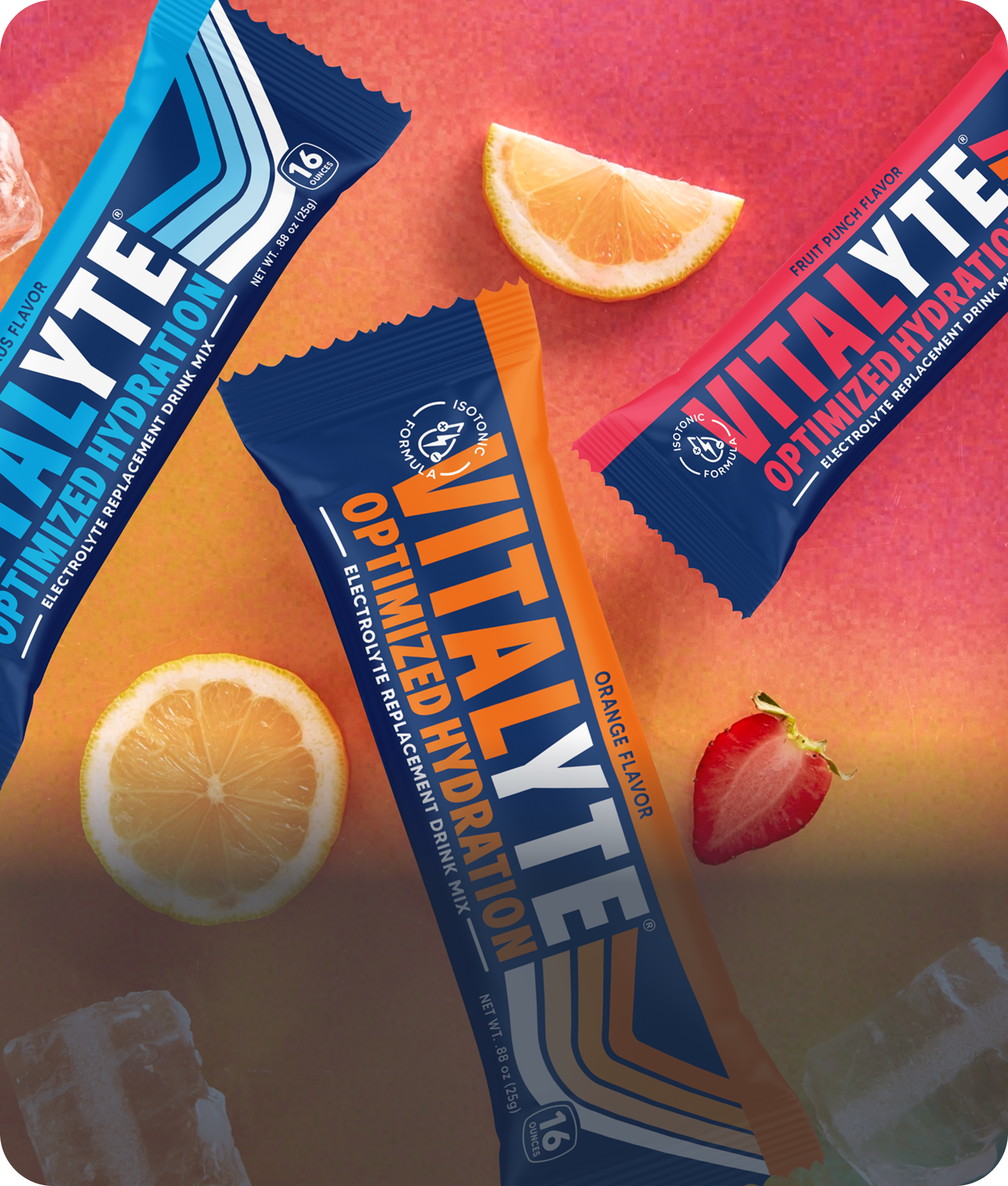
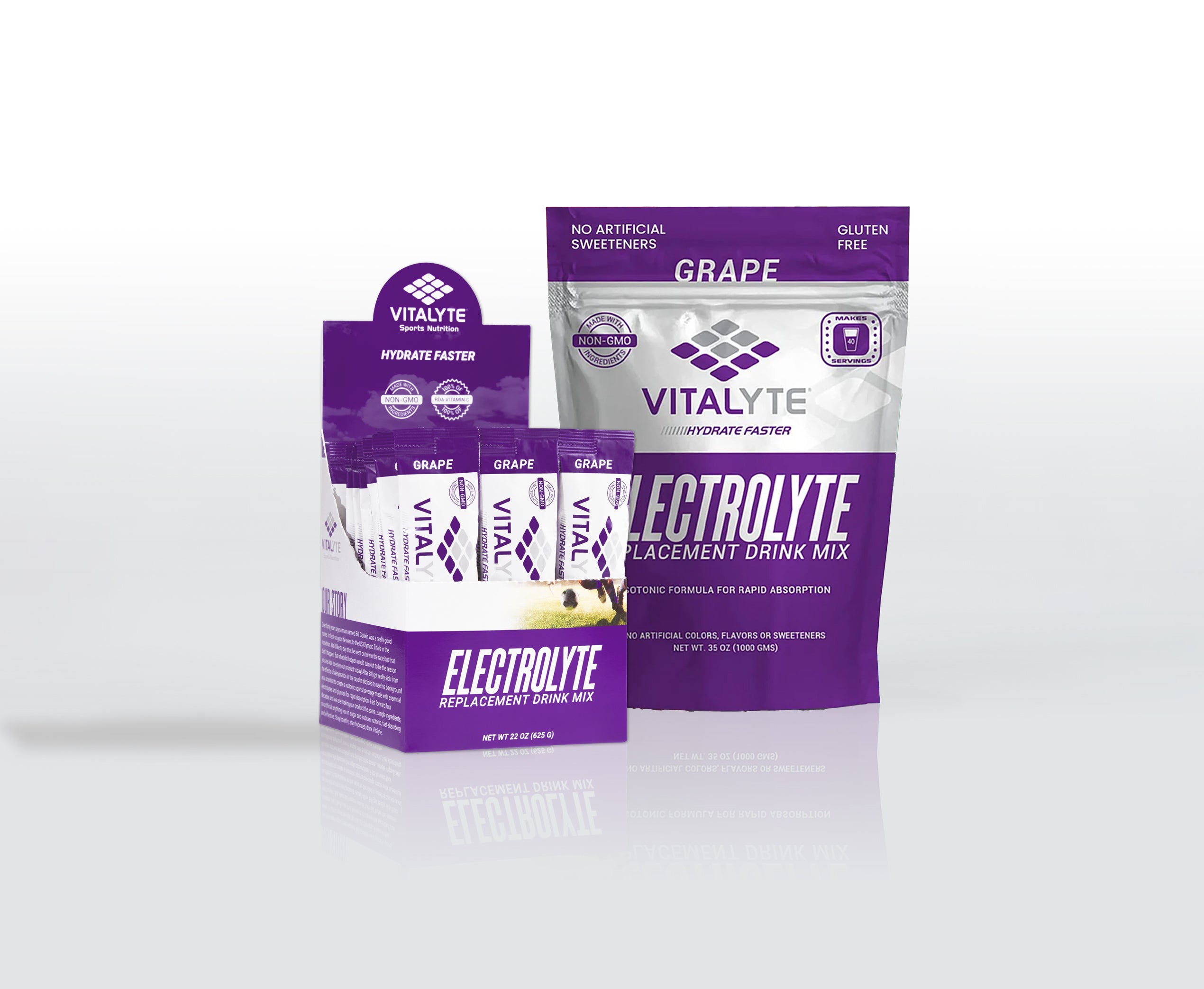
Grape Single‑Serving Stick Pack | 25 ct
And here’s a visual cue to help you picture the process.
Step 2: Compare Natural Electrolyte Powder Ingredients
Now that you know what you need, line up the ingredient lists. Look for four core minerals: sodium, potassium, magnesium, and calcium. These are the electrolytes your body uses to move water and fire nerves.
Next, check for added sugars or carbs. A small amount of glucose can help speed up absorption, but if you’re watching sugar, choose a zero‑sugar formula.
Here’s a quick checklist you can copy into a spreadsheet:
| Mineral | Why it matters | Typical range in powders |
|---|---|---|
| Sodium | Replaces salt lost in sweat | 50‑400 mg per serving |
| Potassium | Balances fluid inside cells | 30‑80 mg per serving |
| Magnesium | Supports muscle function | 10‑30 mg per serving |
| Calcium | Helps nerve signaling | 5‑20 mg per serving |
Notice that the research table shows Vitalyte’s sodium and other mineral amounts are not listed, but the product states it matches blood‑level balance, which is a good sign.
Another red flag is artificial sweeteners. The table tells us three of the four powders have none. That matches the key finding that most clean powders avoid them.
Real‑world tip: If you see “sucralose” or “acesulfame‑K” on the label, skip it. Those can cause gut upset for some athletes.
Look also at the source of carbs. Natural cane sugar or fruit‑derived glucose is better than high‑fructose corn syrup. Vitalyte uses glucose and fructose from natural sources, which aligns with the clean‑ingredient promise.
When you compare, rank each powder on a 1‑5 scale for each factor. Add up the scores to see which one fits your goal best.
For more on ingredient safety, the Wired article discusses how different powders balance carbs and minerals.
And if you want to learn about how the body uses electrolytes, the BUBS Naturals guide explains the science in plain language.
Step 3: Choose a Trusted Brand and Purchase Options
Now it’s time to pick a brand you can trust. Look for a company that shares third‑party testing results, clear labeling, and a solid reputation.
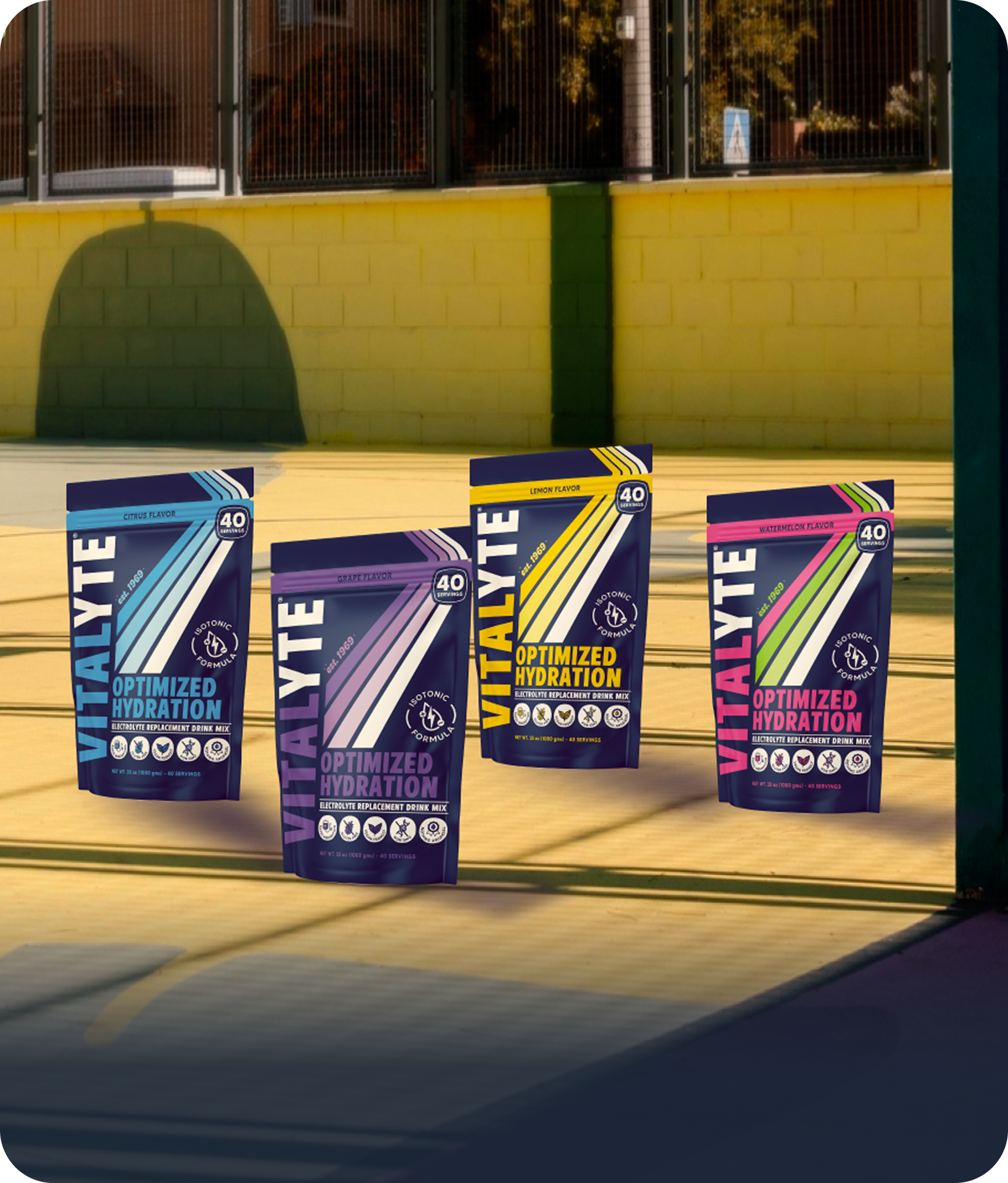
Our pick, Vitalyte Electrolyte Powder, stands out because it has no artificial sweeteners, uses a stand‑up pouch that’s eco‑friendly, and offers a balanced isotonic formula. The packaging keeps each serving fresh and reduces waste.
When you shop, compare price per serving. The research shows Ultima Replenisher is $0.47 per serving, the cheapest of the four. Vitalyte’s pouch works out to about $0.61 per serving , a small premium for sustainable packaging.
Check the brand’s return policy. Vitalyte offers a 30‑day money‑back guarantee, which adds peace of mind.
Here’s how to evaluate a brand:
- Read the “about us” page for mission and years in business.
- Look for lab test certificates (often linked in the product page).
- Search for user reviews on independent sites, not just the brand’s site.
- Make sure the product is gluten‑free and vegan if those matter to you.
Once you’ve narrowed it down, decide how you’ll buy. You can buy a single‑serve pouch, a bulk box, or a bundle. Buying in bulk usually drops the per‑serving cost.
One handy tip: set up a subscription if the brand offers it. You’ll never run out, and many brands give a discount for recurring orders.
Watch the video below for a quick run‑through of how to read a label and spot hidden sugars.
Another external source that helps you spot reputable brands is the Wired roundup, which lists the best powders based on ingredient purity and price.
Step 4: How to Properly Mix and Use Your Powder
Mixing is simple, but the details matter. Use cold or room‑temp water for best dissolve. Hot water can degrade some vitamins.
Follow these steps:
- Measure the right amount. Most powders recommend one scoop (about 5 g) per 16 oz of water.
- Pour water into a bottle or shaker.
- Add the powder. If you’re using a stick pack, tear it open and pour the contents.
- Shake for 15‑20 seconds. A tight‑fit lid helps avoid spills.
- Drink within 30 minutes for peak absorption.
Timing can boost results. For endurance events, sip the mix 15 minutes before you start, then repeat every hour.
If you’re on a low‑sugar plan, stick with a zero‑sugar powder like Ultima Replenisher. If you need a quick energy boost, a powder with 19 g sugar (Skratch Labs) may help, but it also adds extra calories.
Pro tip: Add a pinch of sea salt to any powder if you feel you need a bit more sodium. It won’t hurt the flavor much.
When you’re on the go, single‑serve stick packs are the easiest. Just tear, pour, shake, and go.
Make sure the water you use is clean. If you have hard water, a brief rinse of the shaker can prevent mineral buildup.
For a deeper dive on mixing tips, see the BUBS Naturals article on powder storage and mixing best practices.
Step 5: Store and Maintain Powder Quality
Even the best powder can lose potency if you store it wrong. Keep it cool, dry, and sealed.
Here’s a step‑by‑step storage guide:
- Leave the powder in its original pouch or container.
- Seal the lid tightly after each use.
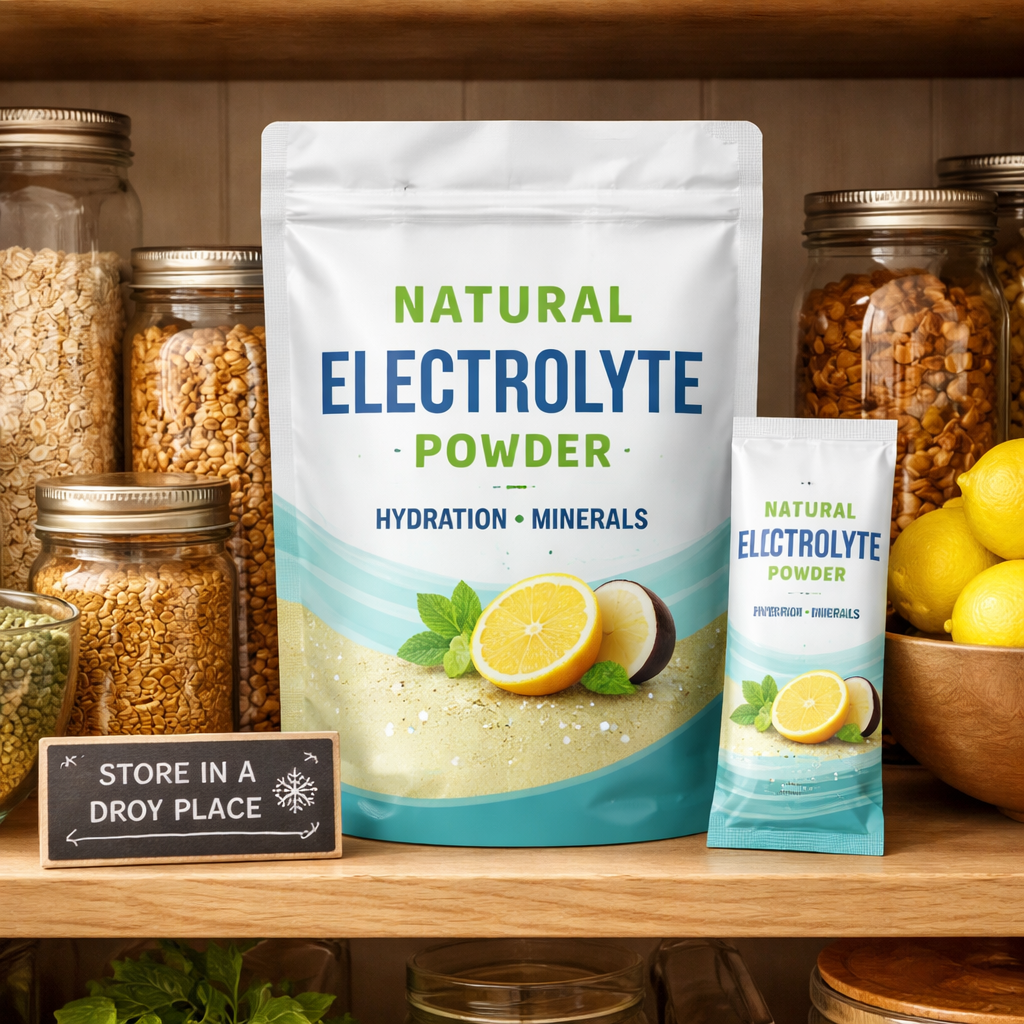
- Store the pouch in a pantry away from heat sources.
- Avoid the fridge unless the label says it’s needed.
- Check the ‘best by’ date every few months.
If you notice clumps, give the pouch a gentle shake. As long as the smell is fresh, the powder is still good.
Key signs that a powder has gone bad include a sour odor, discoloration, or a powdery film on the surface.
Why does storage matter? Electrolytes are minerals, but the added sugars and flavors can degrade with heat and moisture. That’s why a dry, cool spot is best.
Real‑world example: A runner kept a half‑used pouch in a gym bag for weeks. After a hot summer, the powder clumped and tasted off. By moving the pouch to a cool drawer, the same powder stayed fresh for months.
Tips to extend shelf life:
- Use a small silicone bag inside the pouch to protect from humidity.
- Label the pouch with the opening date.
- Buy in smaller batches if you don’t use it often.
External guidance on shelf life can be found in the BUBS Naturals blog, which explains how long powders stay effective.
And remember, Vitalyte’s stand‑up pouch is designed to keep each packet airtight, which helps keep the powder fresh longer.
Conclusion
Choosing the right powder starts with knowing your sweat loss, your diet limits, and when you’ll use it. Then compare the four core minerals, watch for added sugar, and avoid artificial sweeteners. Our pick, Vitalyte Electrolyte Powder, gives you clean ingredients, sustainable packaging, and a balanced isotonic formula.
Buy natural electrolyte powder that fits your budget by looking at price per serving , Ultima Replenisher is the cheapest, but Vitalyte adds eco‑friendly value. Mix it right, store it in a cool dry place, and you’ll stay happy and hydrated day after day.
Ready to feel the difference? Grab a pack, try it on your next run, and notice how quickly you bounce back.
FAQ
What’s the best time of day to buy natural electrolyte powder?
Buy natural electrolyte powder when you know you’ll use it within a few months. Look for sales on the brand’s website or during seasonal promotions. If you buy in bulk, check the ‘best by’ date and store the extra packs in a cool pantry to keep them fresh.
How much sodium should I aim for in each serving?
Most active adults need 300‑400 mg sodium per hour in hot conditions. If you’re doing light activity, 55 mg like Ultima Replenisher is fine. Match the powder’s sodium level to your sweat rate and climate for optimal re‑hydration.
Can I use natural electrolyte powder if I’m on a low‑carb diet?
Yes. Choose a zero‑sugar option like Ultima Replenisher or Vitalyte, which use glucose and fructose in modest amounts. Avoid powders that list 19 g sugar per scoop, as they add carbs you may not want.
Do I need to mix the powder with water or can I add it to another drink?
You can mix it with water, coconut water, or a low‑calorie sports drink. Just keep the total fluid volume around 16‑20 oz so the minerals stay balanced. Adding it to hot tea can degrade some vitamins, so stick with cool liquids.
Is it safe to buy natural electrolyte powder online?
Buy natural electrolyte powder from reputable sites that show third‑party testing and clear ingredient lists. Look for secure https URLs and read the return policy. Brands like Vitalyte provide a 30‑day money‑back guarantee, which adds extra safety.
How do I know if my powder has gone bad?
Check for clumps, off smells, or color changes. If the powder still smells fresh and tastes normal, it’s likely fine. When in doubt, compare the texture to a fresh packet and consider the ‘best by’ date. Store the powder in a cool, dry place to avoid premature spoilage.