


Electrolyte Powder for Weight Loss: A Step‑by‑Step Guide 2026
Most people think water is all they need to lose weight. That’s not true. When you cut calories you also lose minerals like sodium and potassium. Those losses can cause headaches, cramps, and a slower metabolism. In this guide you’ll learn how to pick the right electrolyte powder for weight loss, how much you need, how to add it to your meals, and how to track your progress.
Follow each step and you’ll see steadier energy, less hunger pangs, and better workout performance. Let’s get started.
Step 1: Choose the Right Electrolyte Powder Formulation
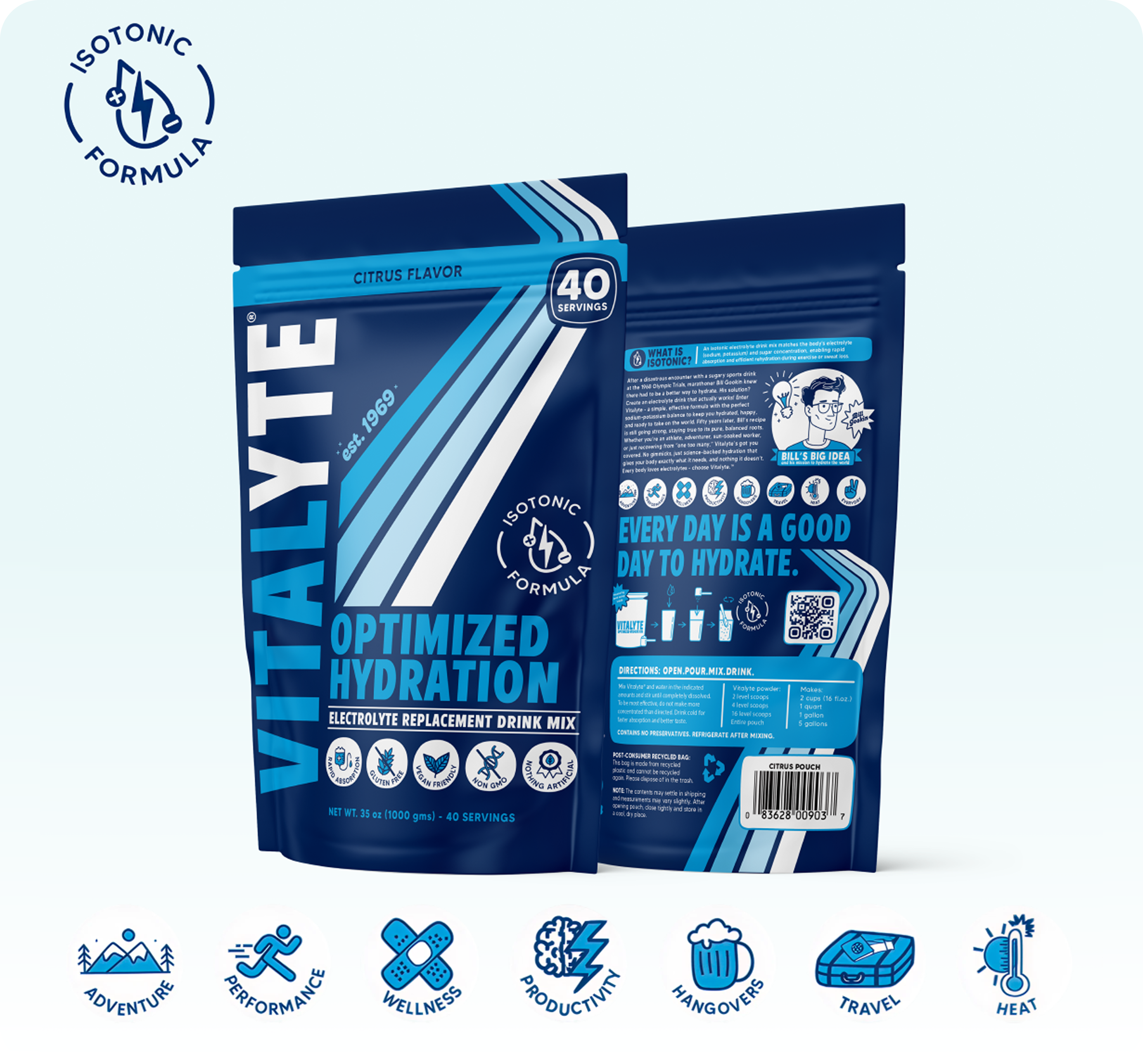
First thing you need to do is look at the label. Not all powders are made the same. Some have a lot of sugar. Some are packed with extra carbs. Some have just the minerals you need. For weight loss you want a powder that gives you sodium, potassium, magnesium and calcium without a lot of added sugar.
One source explains that powders with 230‑690 mg of sodium per serving match the ACSM recommendation for heavy sweaters. The same source also says you should keep added sugar under 5‑10 g unless you need carbs during a long workout.Men’s Health electrolyte guide
Another article points out that many weight‑loss powders add ingredients like apple cider vinegar or green tea extract to help curb appetite. Those added bits can be useful, but they also add flavor and sometimes extra caffeine.
When you read the label, check the amount of each mineral. A good balance is about 1 : 1.4 sodium to potassium. That ratio helps your body hold onto water without making you feel salty.
Look for a powder that uses natural sweeteners like stevia or monk fruit. Avoid sugar alcohols if they upset your stomach.
Here are three quick tips to pick the right formula:
- Check sodium range. Aim for 200‑500 mg per scoop for most weight‑loss plans.
- Look for potassium. 150‑250 mg balances sodium and helps muscles.
- Mind the carbs. Keep added carbs under 5 g if you’re counting calories.
Imagine you are a 35‑year‑old office worker who walks to lunch and does a short HIIT session. You need a powder that won’t spike your calories but will stop the afternoon slump. A low‑carb, low‑sugar powder with a 1 : 1.4 ratio works well.
Many people also think the flavor matters a lot. The truth is you’ll drink it anyway, so pick a taste you can live with. Fruit flavors are popular, but plain or lightly citrus works for most.
When you’ve found a product that fits the mineral and sugar rules, you’re ready for the next step.Skinny GF Chef review
One more thing: if you plan to share your progress on Instagram or TikTok, you might want a tool to help you make eye‑catching posts. Nexapost AI content manager can help you schedule and design quick videos about your electrolyte routine.
Step 2: Calculate Your Daily Electrolyte Needs for Weight Loss
Now you know what to look for, you need to know how much to take. The amount depends on how much you sweat, your weight, and how many calories you eat.
A simple way to start is to use the 3.7 L (men) or 2.7 L (women) daily water guideline. For each liter of water you plan to drink, add about 200 mg of sodium and 100 mg of potassium.
For example, if you aim for 2 L of water a day, you’d need roughly 400 mg sodium and 200 mg potassium from your powder.
That rule works for most people, but if you exercise hard or live in a hot climate you’ll need more. One study notes that heavy sweat loss can exceed 1.2 L per hour, which would require 300‑600 mg of sodium per hour.Levity on electrolytes
To fine‑tune your numbers, keep a simple log for a week. Write down the time you work out, how long, and how much you sweat (you can guess by the amount of water you lose). Then add the extra electrolytes for those days.
Here’s a quick table you can copy into a notebook or phone note:
| Activity | Duration | Extra Sodium (mg) | Extra Potassium (mg) |
|---|---|---|---|
| Light walk | 30 min | 100 | 50 |
| Moderate jog | 45 min | 200 | 100 |
| Intense HIIT | 30 min | 300 | 150 |
| Hot yoga | 60 min | 400 | 200 |
Use the table as a starting point. If you feel a headache or muscle cramp, add a little more sodium next day. If you feel bloated, cut back a bit.
Remember that most foods already give you some sodium and potassium. A banana adds about 400 mg potassium. A handful of salted nuts adds 150 mg sodium.
So you don’t always need the full amount from powder. Adjust based on your meals.
If you want to write down your journey and maybe turn it into an ebook, you could get help from a coach who knows how to turn health stories into books. Bradley Johnson Productions offers that kind of help.
Two more sources back up the idea of matching electrolytes to sweat loss. One says that too much sodium can cause water retention, which may hide weight loss on the scale.Levity article
Another notes that potassium helps move water out of cells, reducing bloating.Levity article
Take a few days to test the numbers. Write down how you feel, how much weight you see on the scale, and any cravings. Then tweak the dose by 10‑20 % until you feel steady.
Step 3: Incorporate Electrolyte Powder into Your Diet Effectively
Now that you know the right amount, you need to add it to your meals without hassle. The easiest way is to mix the powder into water. Use a bottle with a shaker lid so you can stir while you walk.
If you like coffee in the morning, you can add a half scoop to your black coffee. The minerals won’t change the taste much, but they will stop the early‑day crash.
Another trick is to add the powder to a smoothie. Blend a scoop with spinach, a few berries, and almond milk. The greens give you extra magnesium, and the powder adds the electrolytes you need.
For people doing intermittent fasting, you can use a zero‑calorie version during the fast. That keeps you hydrated and stops the headache that many feel after 12‑hour fasts.
Here are three ways to use the powder each day:
- Morning boost. Mix one scoop in 250 ml water right after you wake up.
- Pre‑workout sip. Have a half scoop 20 min before a run.
- Post‑workout refill. Use a full scoop in 500 ml water right after exercise.
Make sure you drink enough plain water in between. Electrolyte drinks help your body hold water, but you still need the water itself.
One study says that drinking electrolytes before a workout can improve stamina by up to 10 %. That means you can push a little longer without feeling weak.Men’s Health performance note
People who add the powder to a fruit juice often notice the taste gets smoother. Just watch the extra sugar if you’re on a low‑calorie plan.Skinny GF Chef flavor tip
Below is a short video that shows how to shake a bottle for a smooth mix.
When you’re at work, keep a small packet in your desk drawer. When you feel a slump, just add it to a cup of water. The quick minerals can lift your mood and stop a sugar craving.
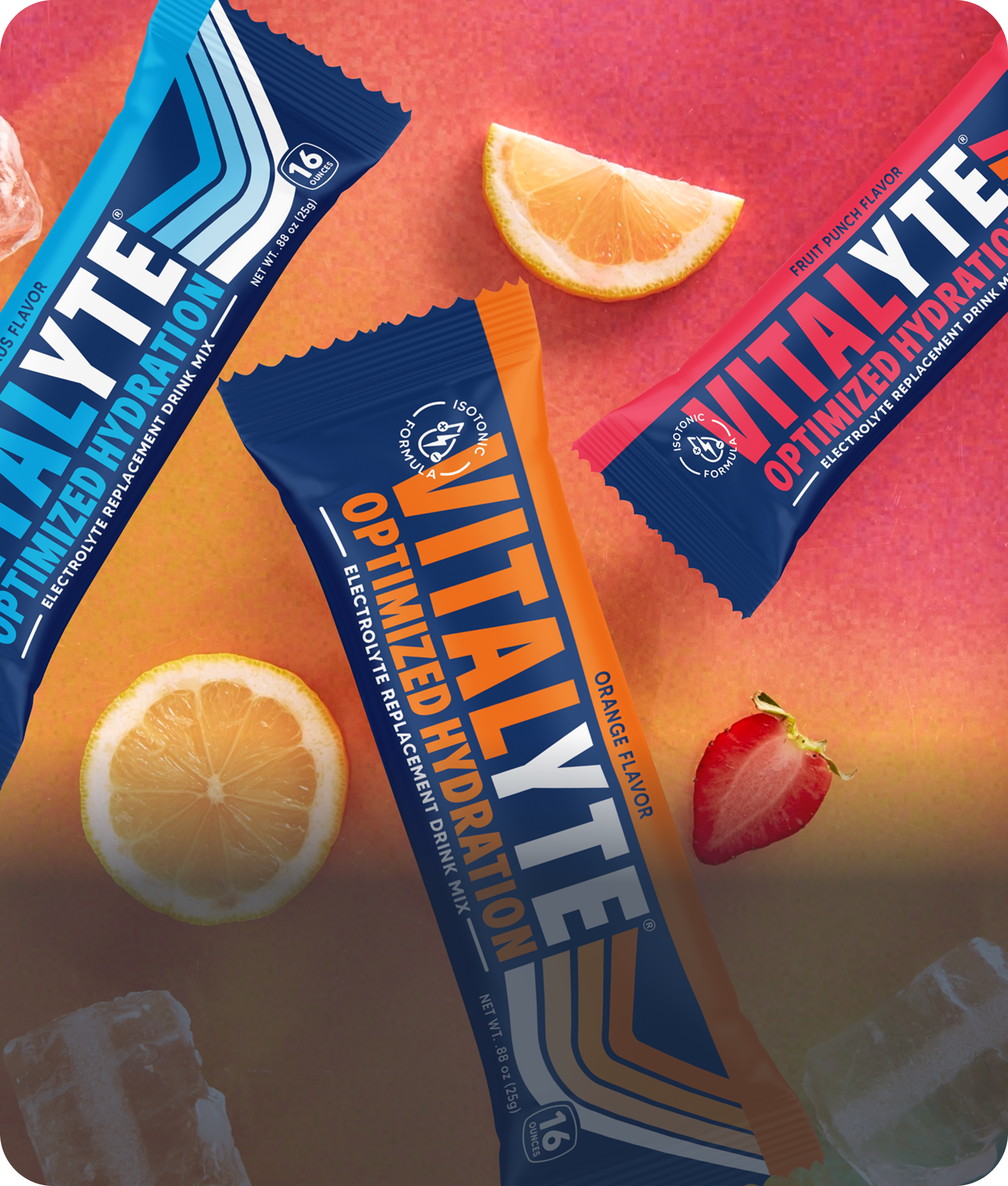
If you travel, buy single‑serve sticks. They fit in a pocket and you can mix them with hotel water. No mess, no need to measure.
Step 4: Track Results and Adjust Dosage for Optimal Weight Loss
Tracking is the secret that turns a good plan into a great one. You need to see what works and what doesn’t.
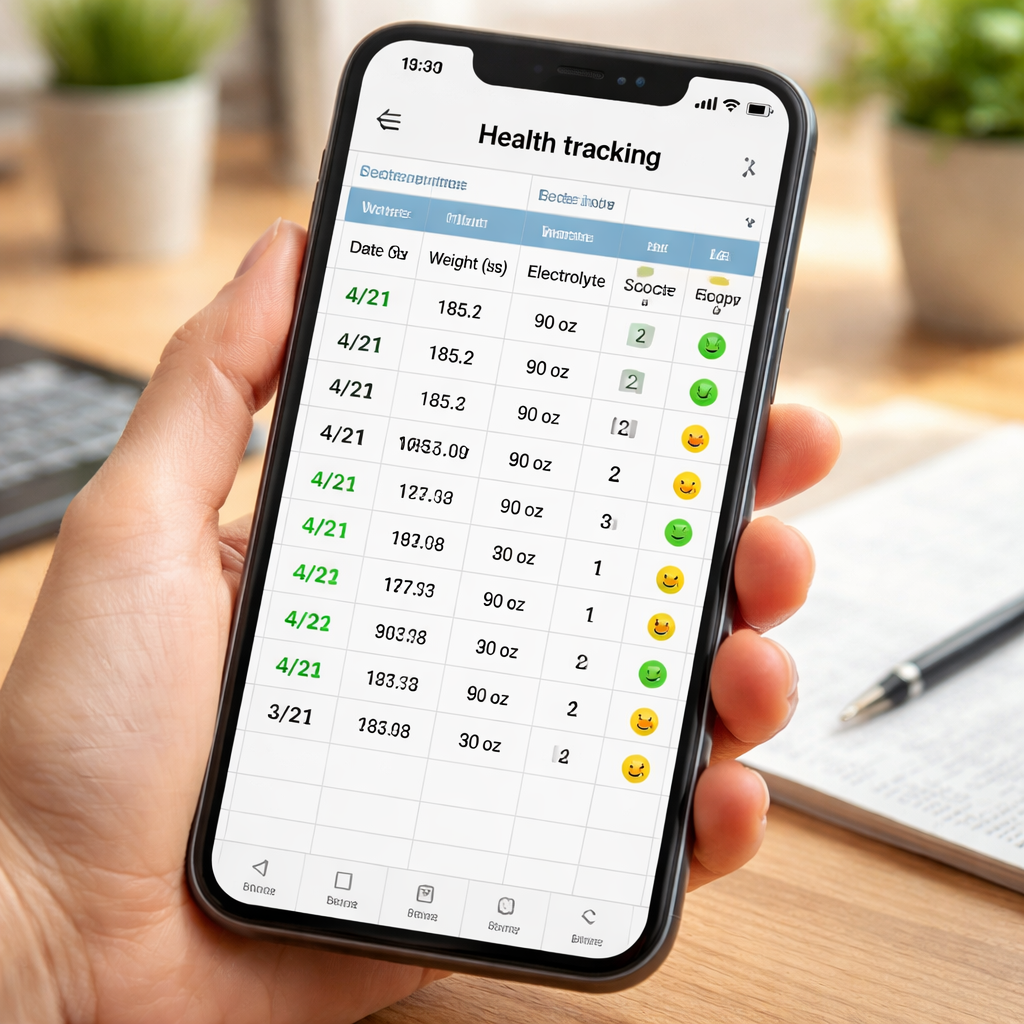
Start by weighing yourself once a week, same day, same time, after you use the bathroom. Write the number down. Then note how much powder you used that week.
Use a simple spreadsheet. Columns can be: Date, Weight, Water intake (L), Powder (scoops), Workout length, Sweat notes, Energy level (1‑5).
Look for patterns. If your weight drops but you feel tired, you may need more potassium. If you see bloating, cut back sodium a little.
One fitness studio suggests three scoops a day for heavy training, but warns that more than that can unbalance minerals.Smart Fit Method dosage tip
Another supplement brand notes that a balanced powder with magnesium helps stop cramps during long cardio.1UP Nutrition guide
If you notice you’re urinating a lot and feeling light‑headed, you may be over‑dosing. Drop a half scoop and watch how you feel.
Many people use a phone app that tracks water. Add your powder dose as a separate entry so you can see the total mineral intake.
Here are three checkpoints to review each month:
- Weight trend. Is it going down steadily?
- Energy score. Are you rating 4‑5 most days?
- Craving log. Are sweet cravings dropping?
If all three are good, keep the same dose. If one is off, adjust by 10‑15 % and test again.
When you plan to spend money on ads for your own electrolyte brand, you can use a lead‑cost calculator to keep the budget in check. The Agency Alternative lead cost tool
Remember that the goal is a steady, healthy loss. Quick drops often mean you’re missing minerals or losing water, not fat.
Conclusion
Electrolyte powder for weight loss can be a simple yet powerful tool. By picking a low‑sugar, balanced formula, calculating the right amount for your sweat, mixing it into meals, and tracking the results, you give your body the minerals it needs to run smooth.
When you feel steady, you’ll notice less hunger, better workouts, and a clearer mind. Those are the real signs that the powder is helping your weight‑loss plan, not just adding extra calories.
Start with a small dose, watch how your body reacts, and adjust as you go. Use the tracking sheet, keep the powder handy, and stay consistent. In a few weeks you’ll see the difference.
If you liked this guide, feel free to share it with a friend who’s on a similar journey. The more people who stay hydrated, the easier the weight‑loss road becomes.
FAQ
What is the best time of day to take electrolyte powder for weight loss?
Most people find the morning works best. After a night of sleep you lose water, so a scoop in your first glass of water re‑hydrates you fast. You can also sip a half scoop before a workout and another after. Spreading the dose keeps your minerals steady and helps avoid spikes or crashes.
Can I use electrolyte powder if I’m on a keto diet?
Yes. Look for a powder that has zero carbs and a high sodium amount, like 800‑1000 mg per scoop. Keto diets push your kidneys to dump more sodium, so you need more. Just watch the potassium level so it stays balanced. A low‑sugar, keto‑friendly powder fits the bill.
How much water should I drink with each scoop?
Mix one scoop with 250‑350 ml (8‑12 oz) of water for a strong taste, or 500 ml (16 oz) if you prefer it milder. The key is to actually drink the whole mix. If you dilute too much, you won’t get the mineral benefit.
Will electrolyte powder cause weight gain?
No, as long as the powder has few or no calories. The minerals themselves have no calories. The only time you might see a higher number on the scale is water retention, which is normal and usually temporary. Your body will settle once the minerals are balanced.
Can I take electrolyte powder on rest days?
Yes. Your body still loses minerals through normal activity, breathing, and digestion. A half scoop on a rest day keeps your levels steady without adding extra sodium you don’t need.
How do I know if I’m taking too much electrolyte powder?
Watch for symptoms like swelling, a salty taste in your mouth, or feeling overly thirsty. Also check your urine , if it’s clear all the time, you might be over‑hydrating. Cut back a half scoop and see if you feel better.
Is it safe to use electrolyte powder while taking blood pressure medication?
Talk to your doctor first. Some meds affect sodium levels, so you may need a lower dose. In most cases a small scoop a day is fine, but a professional check avoids any risk.
Can I combine electrolyte powder with other supplements?
Sure. You can add it to a protein shake, a pre‑workout, or a vitamin C drink. Just keep an eye on the total sodium and potassium from all sources so you don’t exceed safe limits.