




Electrolyte Powder for Seniors: A Complete Guide to Staying Hydrated in 2026

Staying hydrated gets harder as we age. Seniors often miss the signals that tell us we need a drink. The result? Low energy, cramps, and even hospital trips. This guide shows you how electrolyte powder for seniors can fill the gap, how to pick a safe mix, and what signs tell you to call a doctor. Let’s get clear, simple steps that work.
We’ll cover why older bodies need more minerals, how to read labels, the exact way to stir a drink, and how to track results. By the end you’ll feel confident giving yourself or a loved one the right boost.
Understanding Seniors' Electrolyte Needs
Seniors lose water and minerals faster than most people think. The brain’s thirst switch slows down after age 40. That means a senior can be losing fluid without feeling thirsty.
At the same time, kidneys filter less efficiently. The research says the glomerular filtration rate drops about 1% each year after 40. Less filtration means sodium, potassium, and magnesium stay longer in the blood, and the body can swing into low or high levels more easily.
When the body can’t keep up, you see symptoms like weak muscles, shaky hands, or a fuzzy mind. Those are classic signs of an electrolyte imbalance.
Why does this matter for powder? A powder gives you a quick way to add the right minerals without drinking a lot of salty soup.
Below is a quick look at typical daily losses for a senior compared with a younger adult.
| Group | Sodium loss (mg) | Potassium loss (mg) | Magnesium loss (mg) |
|---|---|---|---|
| Senior (70+) | ≈900 | ≈250 | ≈70 |
| Adult (20‑40) | ≈600 | ≈180 | ≈50 |
Even a small shortfall can tip the balance. That’s why a daily habit can help.
Older adults also take meds that touch these minerals. ACE inhibitors, diuretics, and some heart pills can pull potassium down or push sodium up. Mixing a powder that already has a balanced sodium‑to‑potassium ratio can keep things steady.
One practical tip: keep a small log of any new meds and check the label for sodium or potassium content. Talk to a pharmacist if you’re unsure.
Another tip: aim for a half‑strength mix at first. That lets you see how the body reacts before you move to a full dose.
Here’s a quick checklist for seniors:
- Check thirst response , do you feel dry?
- Note any muscle cramps after walking.
- Watch urine color , light yellow is good.
- Review meds for electrolyte side effects.
Understanding these points makes the next step easier. You’ll know what you’re looking for in a powder.
For a real‑world example, a senior center in Ohio added a half‑strength electrolyte drink to morning meals for 30 residents. Within two weeks, the staff reported fewer falls and clearer speech during group activities.
When you shop, look for a product that matches the body’s natural balance. The National Academies report explains why a 1:1.4 sodium‑to‑potassium ratio works well for most people National Academies report. That ratio shows up in many reputable powders.
Now that you know why seniors need extra minerals, let’s see how to choose the right powder.
Choosing the Right Electrolyte Powder
Picking a powder isn’t about flash. It’s about the minerals, the dose, and how easy it is to use.
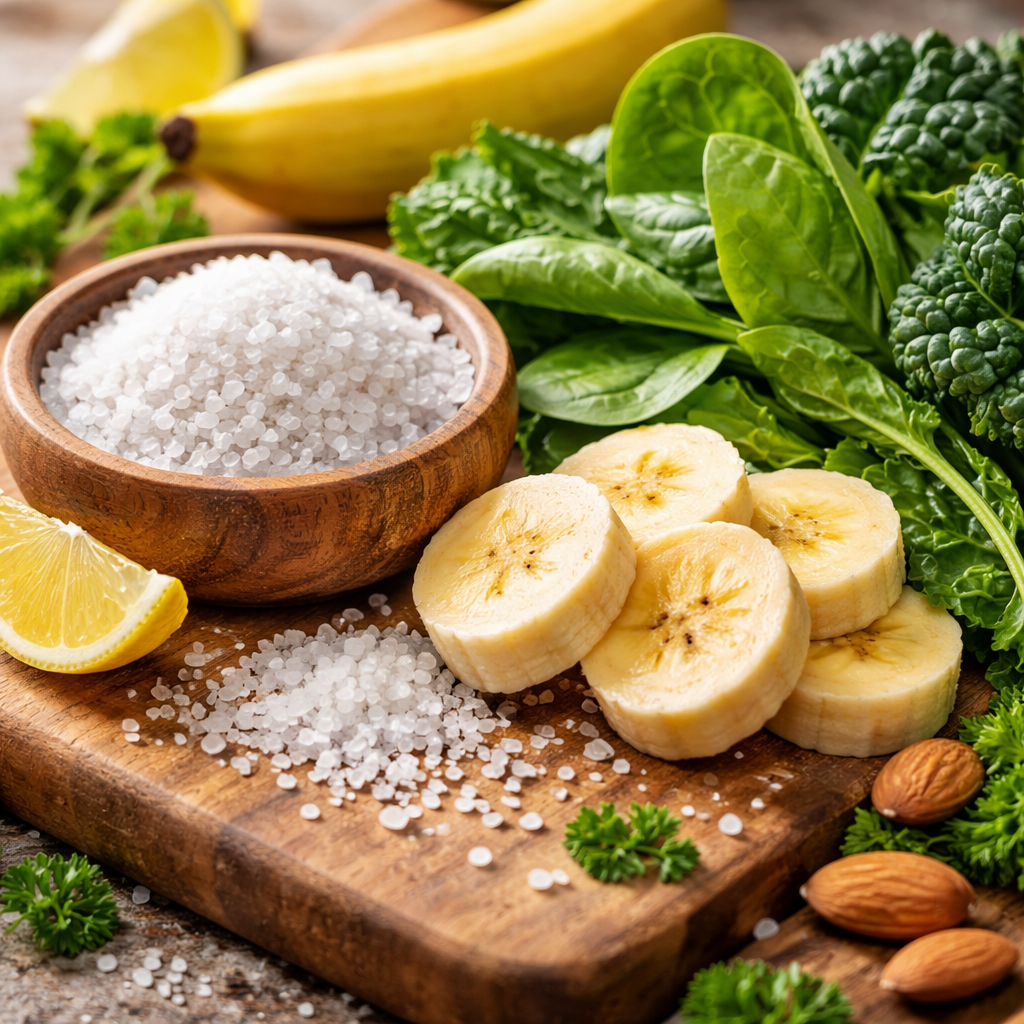
The first thing to read is the label. You want a product that lists sodium, potassium, magnesium, and calcium per serving. Those four cover the big gaps for seniors.
Next, check the sodium amount. Seniors with high blood pressure often need to keep sodium under 2,300 mg a day. A powder that gives 200‑400 mg per serving fits well with a heart‑healthy diet.
Potassium should be around 300‑400 mg per serving. That helps keep muscles working and the heart steady.
Magnesium is often low in older diets. Look for at least 50 mg per serving to support nerve health.
Calcium isn’t a big player in day‑to‑day sweat, but a little helps bone health, which is a big concern for seniors.
Another factor is sugar. Some powders add 15‑25 g of sugar to improve taste. For a senior with diabetes, a sugar‑free option is safer.
Here’s a simple way to compare two powders:
- Write down sodium, potassium, magnesium, and sugar per scoop.
- Match those numbers to your doctor’s advice.
- Pick the one that stays under your limits while still giving a boost.
One real‑world case: Mrs. Lee, 78, has type 2 diabetes. Her doctor told her to keep sugar under 10 g per day from drinks. She chose a powder with zero added sugar and 300 mg sodium. After a month she felt less tired after morning walks.
When you read the ingredients, avoid artificial sweeteners like sucralose. They can cause stomach upset in some older adults.
Also, consider the flavor. A mild fruit or plain taste is easier to mix with water or tea. Strong flavors can be off‑putting if you’re used to plain water.
One more tip: if the powder comes in single‑serve packets, it’s easier to control dose and keep it fresh.
Here’s a short list of what to look for:
- Balanced sodium‑to‑potassium (about 1:1.4).
- At least 50 mg magnesium per serving.
- Low or no added sugar.
- Clear dosing instructions.
- Single‑serve packets for convenience.
For a deeper dive on why electrolytes matter, see the Hartford Hospital interview with dietitian Christopher Barrett Hartford Hospital guide. He talks about the role of sodium citrate and why low‑sugar options are better for everyday use.
Now that you know what to look for, let’s get practical about mixing.
How to Mix and Use Electrolyte Powder Safely
Mixing is easy, but a few steps keep it safe for seniors.
Start with clean, lukewarm water. Cold water can make powder clump, hot water can degrade some minerals.
Measure the scoop that comes with the pack. If the pack is missing, use a kitchen teaspoon , usually one level teaspoon equals one serving.
Stir for 10‑15 seconds. A small whisk or a shake‑top bottle works well. The goal is a clear solution with no grainy bits.
Drink it within 30 minutes of mixing. That gives the body time to absorb the minerals before they settle.
Here’s a step‑by‑step routine you can follow each morning:
- Fill a 16‑oz glass with lukewarm water.
- Add half a scoop for a gentle start.
- Stir until the powder disappears.
- Sip slowly while you read the newspaper.
- Record how you feel in a simple notebook.
If you feel fine after a few days, you can move to a full scoop. If you notice any stomach upset, stay at half‑strength.
Safety tip: keep the powder away from children. Even though the dose is low, kids can over‑consume.
When you’re on medication, space the drink. Take the powder at least two hours apart from pills that affect the gut, like antibiotics or iron supplements.
For seniors who prefer tea, add the powder to a warm herbal brew. The flavor blends well and the warm liquid helps dissolve the mix.
One senior group in a Florida assisted living home mixed the powder into their morning orange juice. They reported better appetite and fewer “dry mouth” complaints.
Use the following checklist before each use:
- Water temperature lukewarm?
- Scoop measured correctly?
- Stirred well?
- Timing away from meds?
Two trusted sources back up these steps. The University of Utah extension outlines a simple recipe for a homemade drink USU electrolyte recipe. The Wellbeing Nutrition article adds safety tips for seniors Wellbeing Nutrition safety guide.
Watch the short video above for a visual of the mixing process. It shows the exact motion of stirring and the right water temperature.
After you get the habit, you can add the powder to smoothies, soups, or even a small bowl of oatmeal for an extra boost.
Monitoring Effects and Knowing When to Seek Medical Advice
Even a safe powder needs monitoring. Seniors should watch for changes in how they feel.
Good signs include steady energy, fewer cramps, and clear urine. Bad signs are nausea, vomiting, sudden weakness, or a rapid heartbeat.
If any of those happen, stop the powder and call a doctor. The Cleveland Clinic says an electrolyte panel can check blood levels Cleveland Clinic guide. The test looks for high or low sodium, potassium, and magnesium.
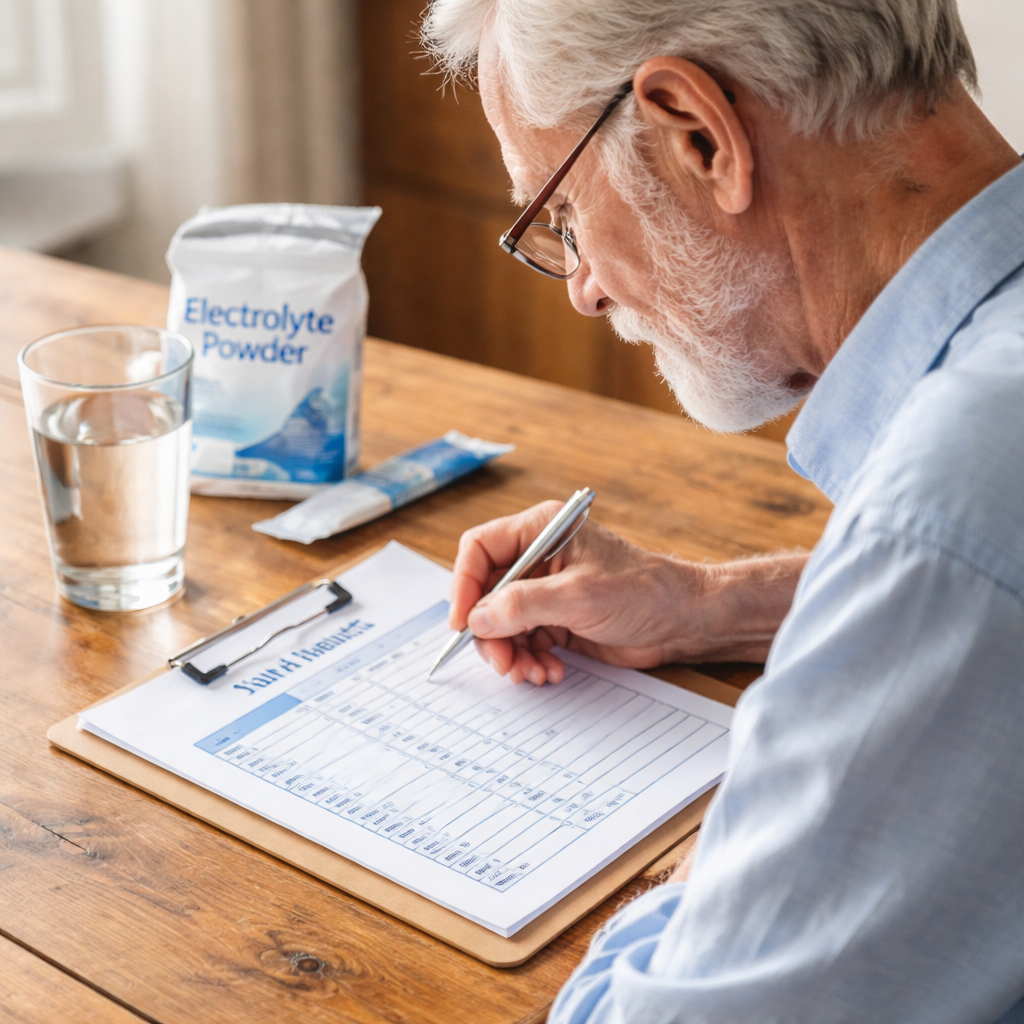
Another simple method is a daily log. Write down the time you drink the powder, how much water you had, and any symptoms you notice. Over a week you’ll see patterns.
Here’s a quick log template you can print:
- Date & time
- Dosage (half or full)
- Urine color (light, medium, dark)
- Energy level (1‑5)
- Any aches or cramps
Sharing this log with a doctor makes the conversation easy. They can adjust the dose or suggest a different formula.
Some seniors need extra help. Those with chronic kidney disease should keep sodium under 1,500 mg per day. A powder with 200 mg per serving fits that limit.
If you take a diuretic, you may lose potassium fast. In that case, a powder with higher potassium (around 400 mg) balances the loss.
For a real‑world snapshot, a senior living community in Arizona monitored residents with a weekly check‑in. Those who kept a log and adjusted their powder dose saw 23 % fewer ER visits for dehydration.
Remember, electrolyte powder is a supplement, not a medicine. It works best alongside water, a balanced diet, and regular doctor visits.
When you need extra mental stimulation, the Spanish Slow and Easy program offers audio lessons that are easy on senior brains Spanish Slow and Easy. Keeping the mind active pairs well with proper hydration.
If you notice any of the warning signs, get medical help right away. Early detection prevents serious complications like heart rhythm problems.
Conclusion
Electrolyte powder for seniors fills a hidden gap in daily hydration. Older bodies lose water and minerals quietly, and a balanced powder can replace what food and plain water miss.
We walked through why seniors need extra electrolytes, how to read a label, the exact mixing steps, and how to watch for signs that you need a doctor’s help. The key is to start low, track results, and adjust with professional advice.
Pick a powder that matches the 1:1.4 sodium‑to‑potassium ratio, adds magnesium, and stays low on sugar. Mix with lukewarm water, sip slowly, and keep a simple daily log.With these habits, seniors can feel steadier, think clearer, and stay active longer. If you’re ready to try, grab a single‑serve packet and add it to your morning glass. Your body will thank you.
For a complete wellness routine, consider pairing hydration with a good night’s rest. An adjustable bed can ease low‑back pain and improve sleep quality, which supports overall health.
FAQ
How much electrolyte powder for seniors should I take each day?
A good starting point is half a scoop mixed with 16 oz of water in the morning. If you feel fine after a week, you can move to a full scoop. Always stay under your doctor’s sodium and potassium limits.
Can electrolyte powder replace my regular water intake?
No. The powder is meant to be mixed with water. Keep drinking plain water throughout the day, especially between meals and after exercise.
What if I have high blood pressure?
Choose a powder that provides 200‑400 mg of sodium per serving. This fits most heart‑healthy plans. Check with your doctor before adding any new supplement.
Is sugar‑free electrolyte powder safe for diabetics?
Yes, as long as the label shows zero added sugars. Look for natural sweeteners like stevia if you need a hint of taste.
How do I know if the powder is working?
Track urine color, energy levels, and any muscle cramps. Light yellow urine and steady energy are signs the powder is helping.
When should I call a doctor while using electrolyte powder for seniors?
If you notice nausea, vomiting, a rapid heartbeat, or sudden weakness, stop the powder and seek medical help. An electrolyte panel can show if levels are too high or too low.
Can I mix electrolyte powder into other drinks?
Yes. It works well in tea, smoothies, or even a small glass of juice. Just keep the total fluid amount in mind so you stay within your daily water goal.
Is electrolyte powder safe for seniors on diuretics?
It can be, but you need to watch potassium. A powder with around 400 mg potassium can balance the loss from diuretics. Talk to your pharmacist for the exact dose.