


Electrolyte Powder for Cycling: A Practical How‑To Guide 2026

You lose more than just water on a long ride. Dehydration can shave minutes off a century ride and fog your mind. In this guide you’ll learn how to pick the right electrolyte powder for cycling, how to mix it, when to drink it, and how to tweak your plan as you train. Follow each step and you’ll stay strong, clear, and ready for every climb.
Step 1: Assess Your Hydration Needs
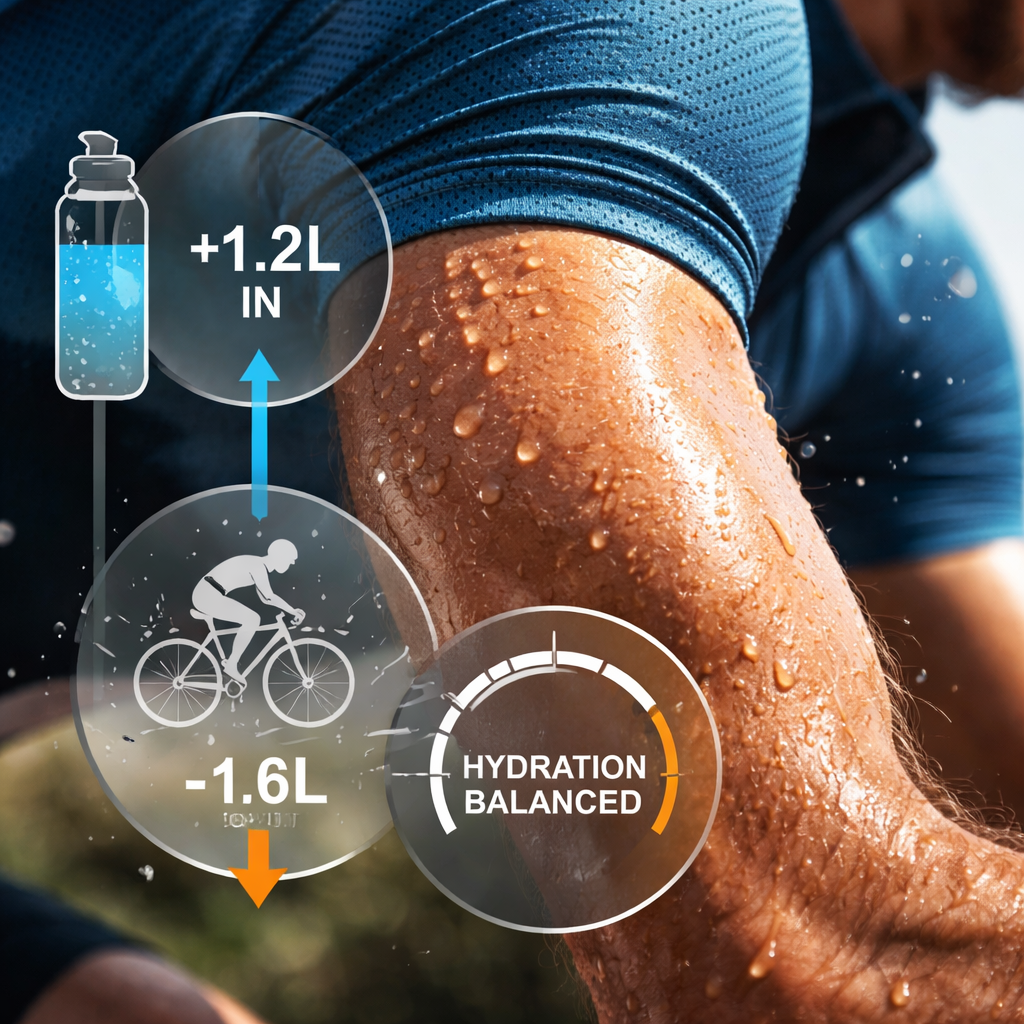
First, know how much fluid you lose. Even a 2% drop in body weight can cut endurance by up to 20% , that’s the difference between a smooth ride and a shaky finish. The science is clear: sweat pulls out water, sodium, potassium, magnesium, and calcium. When you lose those minerals, muscles fire slower and your brain feels fuzzy.
To get a baseline, weigh yourself before and after a typical ride. Subtract the post‑ride weight, multiply by 16 oz, and add any fluids you drank. That gives you total fluid loss. Divide by ride time to get ounces per hour. This simple math lets you match your drink plan to reality.
Imagine you rode 2 hours, started at 150 lb, and weighed 148 lb afterward. You lost 2 lb, which equals 32 oz of fluid. If you drank 16 oz during the ride, you actually need 48 oz per hour. That’s a clear signal to up your intake.
Heat and humidity raise sweat rates. In hot, humid days sweat may not evaporate, so you lose fluid faster. In cold weather you may not feel thirsty, but you still lose water through breath and skin. Adjust your target based on the forecast.
Keep a notebook or an app to track weight, weather, and how you felt. Over a few rides you’ll see patterns and can set a personal fluid goal.
For a quick reference on sweat‑rate calculations, check the guide from USA Cycling.How to calculate sweat rate
And for deeper insight on how dehydration hurts performance, see 90 plus Cycling’s article.Hydration and electrolytes for cycling
Key take‑aways:
- Weigh yourself before and after rides.
- Calculate ounces lost per hour.
- Adjust for heat, humidity, and altitude.
Step 2: Choose the Right Electrolyte Powder Formula
Now that you know how much fluid you need, pick a powder that replaces the right minerals. Not every powder is built the same. Some are salty, some add carbs, some focus on magnesium.
Here’s a quick grid you can use when you shop:
| Type | Sodium (mg/16 oz) | Potassium (mg/16 oz) | Carbs (g/16 oz) | Best for |
|---|---|---|---|---|
| Low‑salt | 150 | 80 | 0 | Light sweat, warm days |
| Balanced | 300 | 150 | 8 | Average rides, mixed temps |
| High‑salt | 500 | 200 | 5 | Hot climates, heavy sweaters |
Balanced formulas give you sodium and potassium in a 2:1 ratio, which mirrors many athletes’ sweat profiles. If you often get cramps, lean toward the high‑salt option.
Carbohydrate content matters too. A 4‑5% carb solution (about 8‑10 g per 16 oz) fuels muscles without causing stomach upset. Pure electrolyte powders with zero carbs work for short rides but may leave you hungry on longer efforts.
When you compare products, watch for artificial sweeteners. Some riders report gut upset from sucralose or stevia. Natural‑flavor powders tend to be gentler.
Check out BikeRadar’s review of top powders for a side‑by‑side look at sodium, potassium, and price.Best cycling electrolytes
Amazon also lists a popular brand that blends real fruit with electrolytes. The product page notes exact mineral amounts per scoop.Skratch Labs Hydration Mix
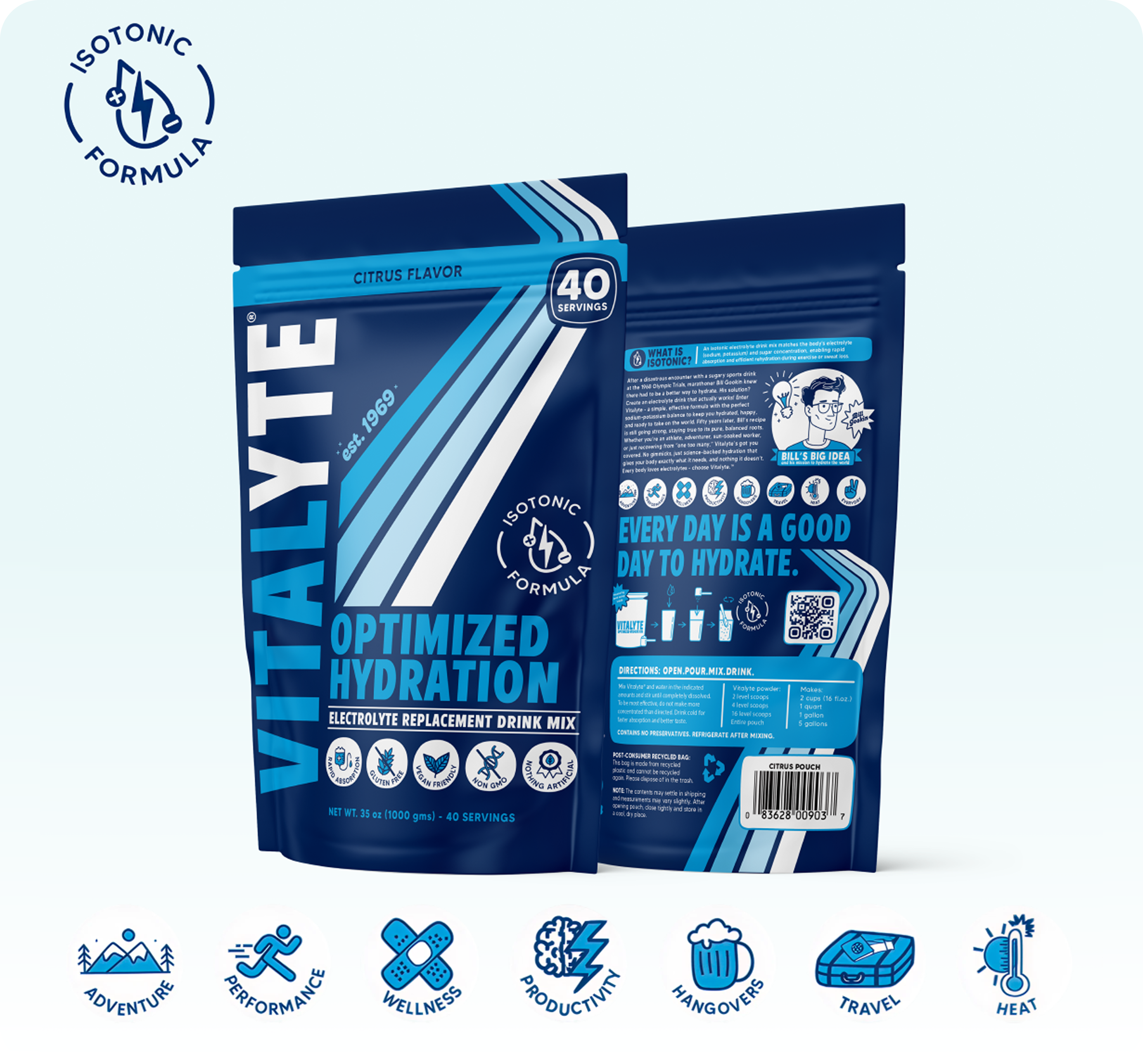
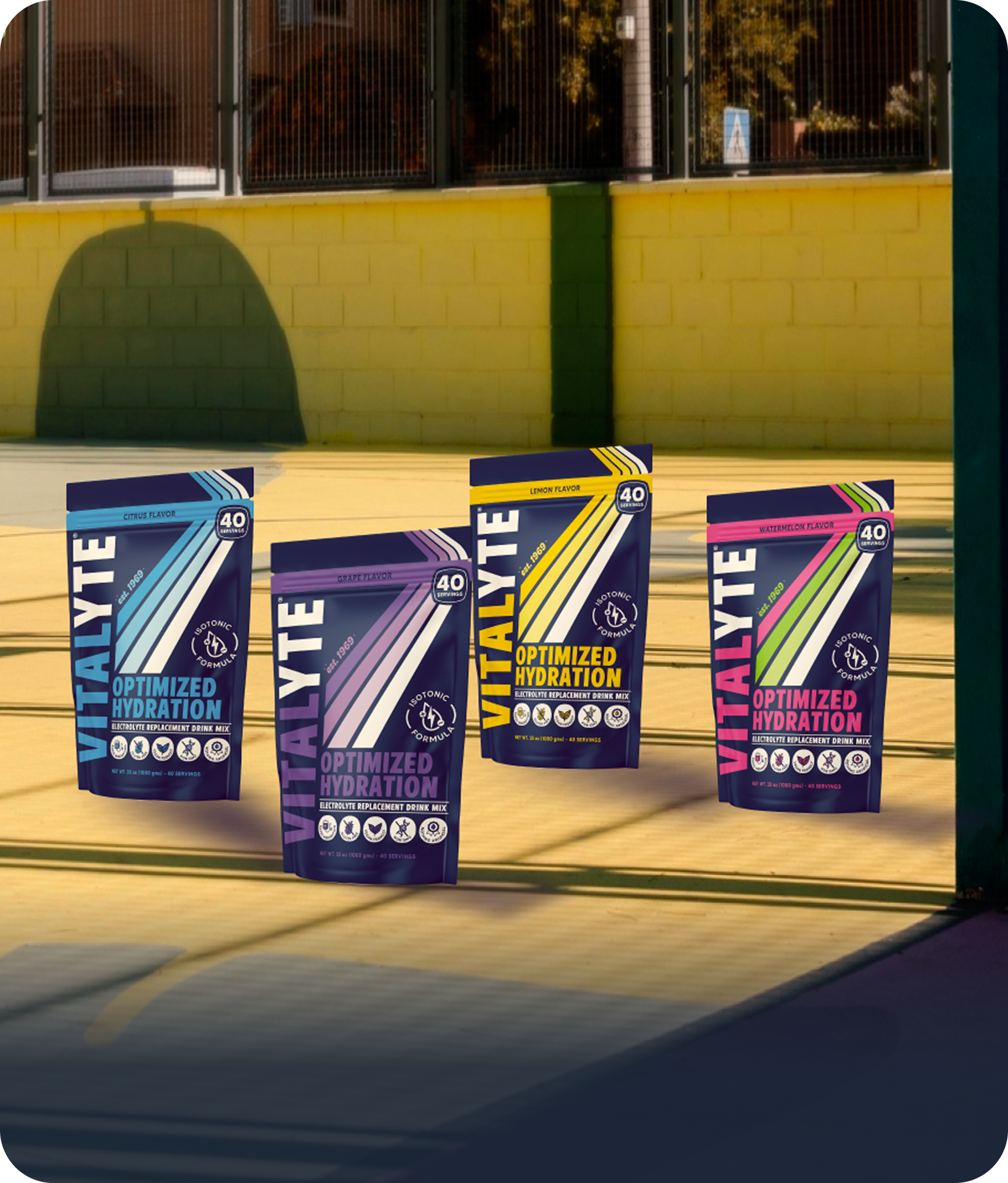
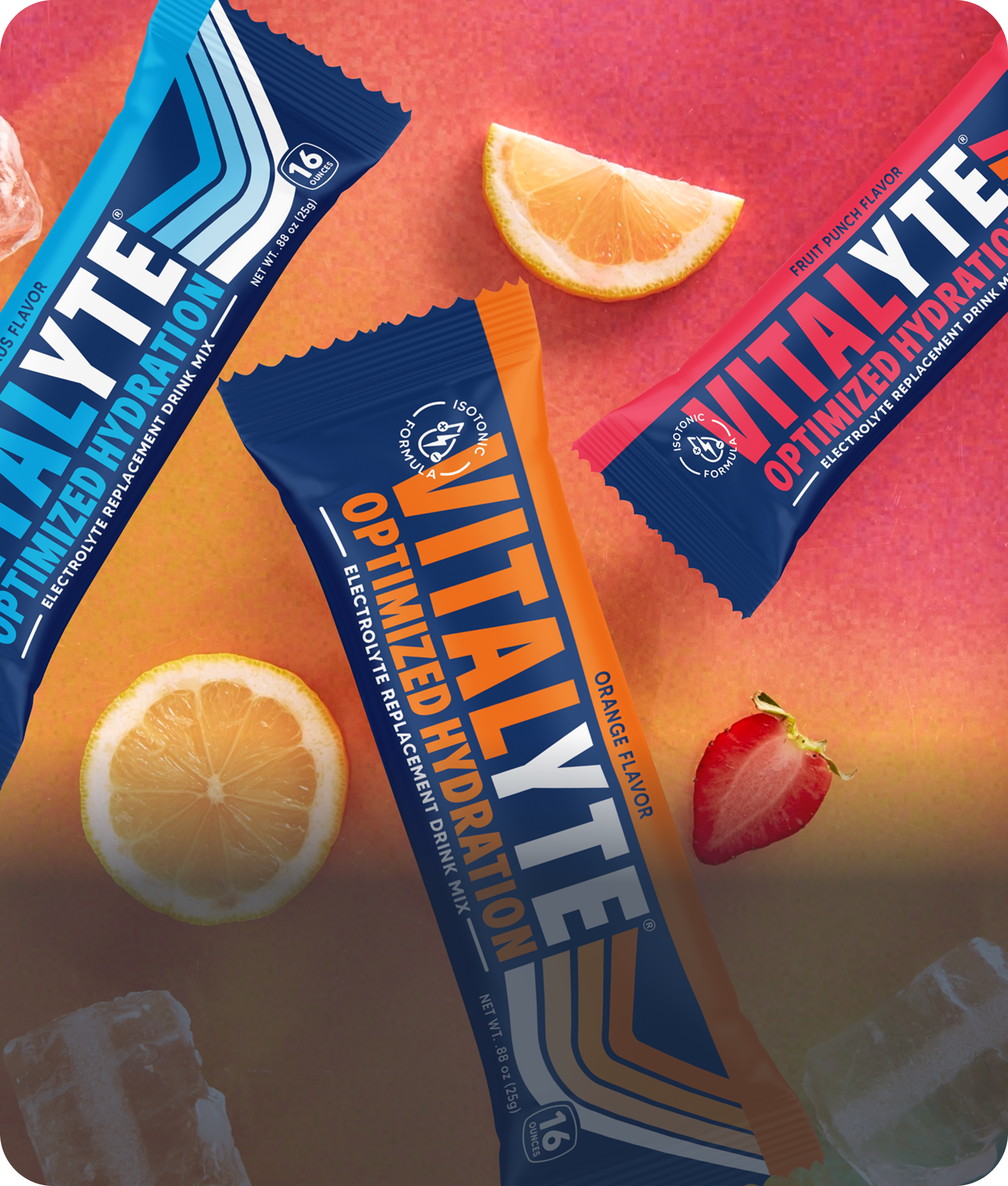
And if you want a deep dive on how different formulas stack up, this comparison breaks it down clearly.Electrolyte Powder Comparison: Vitalyte, LMNT, More
Below is a short video that shows how to test your sweat rate on the road.
Pro tip: start with the balanced formula and tweak sodium up or down by 100 mg increments based on how you feel after a ride.
- Check label for sodium, potassium, magnesium.
- Prefer powders with ≤5 g carbs per 16 oz for endurance.
- Avoid artificial colors and sweeteners.
Step 3: Proper Mixing and Timing for Rides
Mixing the powder right matters as much as the powder itself. Use cool or room‑temperature water; hot water can break down some vitamins.
General rule: one scoop (usually 10‑12 g) per 16‑20 oz of water. Stir or shake for 10 seconds. If you like a milder taste, add a splash of citrus juice.
Timing is the next piece. Drink 150‑200 ml of electrolyte mix 30 minutes before you head out. This primes your body and triggers thirst.
During the ride, sip small amounts every 10‑15 minutes. Aim for 2‑3 gulps each interval. On hot days, increase to 4‑5 gulps. The goal is steady intake, not big chugs.
After the ride, consume a recovery drink with the same electrolyte mix plus protein. This replaces salts and jump‑starts muscle repair.
For a natural‑focused recipe, BUBS Naturals suggests mixing one scoop with 16‑20 oz of water and adding a pinch of sea salt if you sweat heavily.BUBS on mixing electrolyte powder
Veloforte offers a flavor‑rich powder that dissolves quickly and includes 22 g carbs per serving for longer rides. They recommend a mix of 2 scoops in 32 oz for rides over 90 minutes.Veloforte cycling hydration guide
Quick checklist before you zip out:
- Measure water volume.
- Mix powder fully.
- Label bottle with start time.
Step 4: Monitor Performance and Adjust
Even the best plan needs tweaking. Track how you feel, your heart rate, and any cramps. If you notice a pinch in the side or a drop in power, your sodium may be low.
One easy sign is urine color. Pale straw means you’re on track; dark yellow signals you need more fluid or electrolytes.
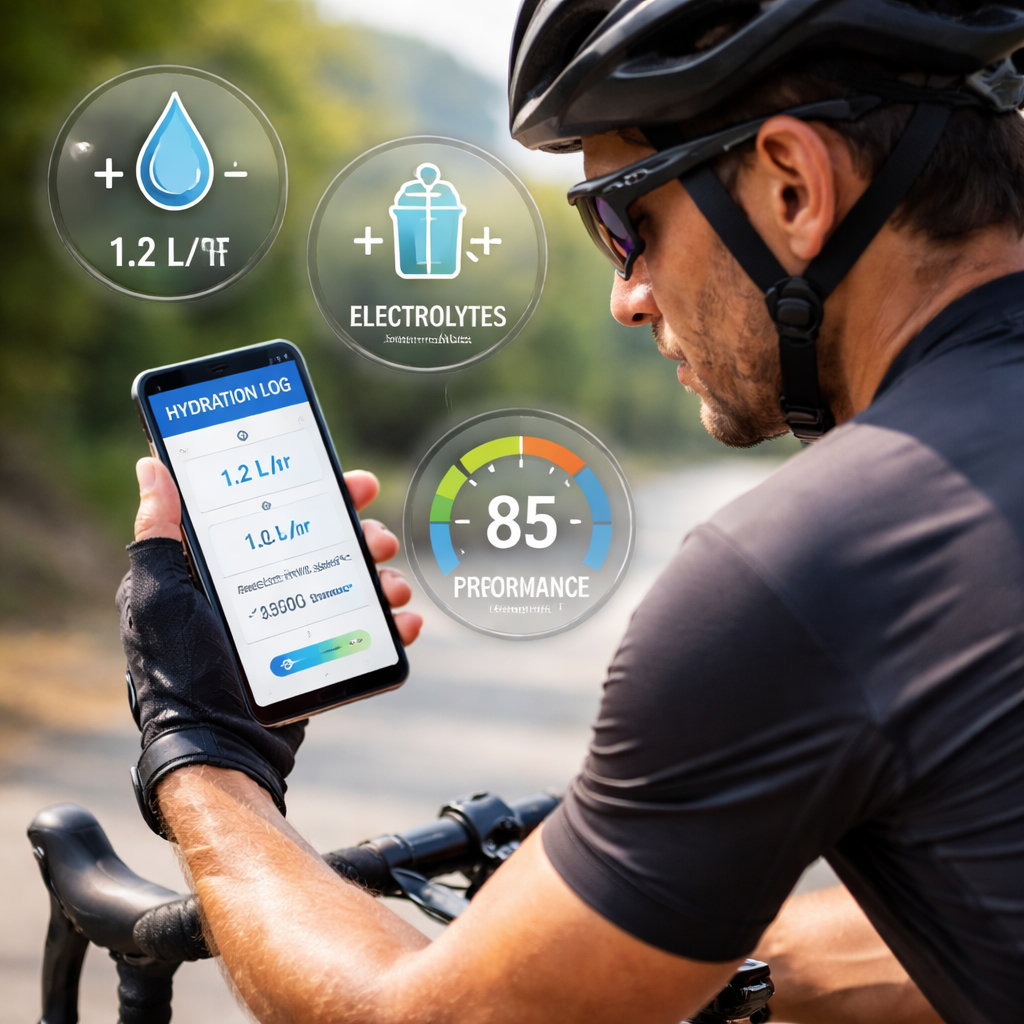
Use a simple post‑ride log: record distance, temperature, sweat loss (from your weight calc), and any symptoms. Over a week you’ll see trends.
If you’re consistently losing more than 1 liter per hour, consider a high‑salt powder or add an extra pinch of sea salt to your bottle.
Professional cyclists often use sweat‑test labs to fine‑tune their mix. While pricey, a single test can reveal if you’re losing more sodium than average. The data helps you set a precise sodium target.
BikeRadar explains why magnesium and calcium matter for muscle relaxation and why a balanced mix beats a salty‑only drink.Why electrolytes matter for cyclists
Styrkr’s hot‑weather guide adds that you may need 500‑1000 mg sodium per hour in extreme heat. Split tablets or powder doses to avoid stomach upset.Styrkr hot‑weather fueling guide
When you adjust, do it in small steps. Add 50 mg sodium to the next ride and note the effect. Over time you’ll land on the perfect sweet spot.
- Log sweat loss each ride.
- Watch urine color and cramps.
- Adjust sodium by 50‑100 mg increments.
Conclusion
Getting electrolyte powder for cycling right takes a bit of math, a bit of tasting, and a lot of listening to your body. Start by measuring your sweat loss, pick a formula that matches your sodium and potassium needs, mix it correctly, and sip at steady intervals. Then watch how you feel and tweak the mix as you gather data.
When you follow these steps, you’ll notice steadier power, fewer cramps, and clearer focus on long climbs. Your rides will feel smoother, and recovery will be quicker. Keep a simple log, stay flexible, and treat each ride as a chance to fine‑tune your hydration plan.
Ready to level up your ride? Grab a balanced electrolyte powder, set up your tracking sheet, and hit the road with confidence.
FAQ
How much electrolyte powder for cycling should I take per hour?
A good starting point is 300 mg of sodium and 150 mg of potassium per hour, which usually comes from one scoop mixed in 16‑20 oz of water. Adjust up or down based on sweat rate, heat, and how your body feels.
Can I use the same electrolyte powder for cycling and other sports?
Yes, the same powder works for running, hiking, or any activity where you sweat. Just check the mineral ratios and carbohydrate level to match the duration and intensity of each sport.
What if I’m on a low‑carb diet and still need carbs during a long ride?
Pick a powder that adds a modest 8‑10 g carbs per 16 oz, or pair a zero‑carb powder with a separate carb source like a banana or energy gel. This keeps the electrolyte balance while giving you the fuel you need.
How do I know if my electrolyte powder for cycling is too salty?
If you feel thirsty all the time, get a metallic taste, or notice swelling in your hands, you may be over‑loading sodium. Reduce the scoop size or switch to a lower‑salt formula and watch the symptoms change.
Is it safe to use electrolyte powder for cycling every day?
For most healthy adults, one to two servings a day are safe. The powder supplies minerals within normal dietary ranges. If you have kidney or heart issues, talk to a doctor before daily use.
Should I combine electrolyte powder with other supplements?
You can add a protein shake for recovery or a caffeine tablet for extra focus, as long as total sodium stays within your target range. Keep an eye on total carbs to avoid GI distress.
What’s the best way to store electrolyte powder for cycling?
Keep the container sealed in a cool, dry place. If you travel, pack single‑serve sachets in a zip‑top bag. Moisture can clump the powder and affect mixability.
How long does it take for electrolyte powder for cycling to start working?
Because the formula is isotonic, you’ll feel a hydration boost within 5‑10 minutes of drinking. Sodium‑glucose transport speeds water absorption, so the effect is quick.